ع
ع


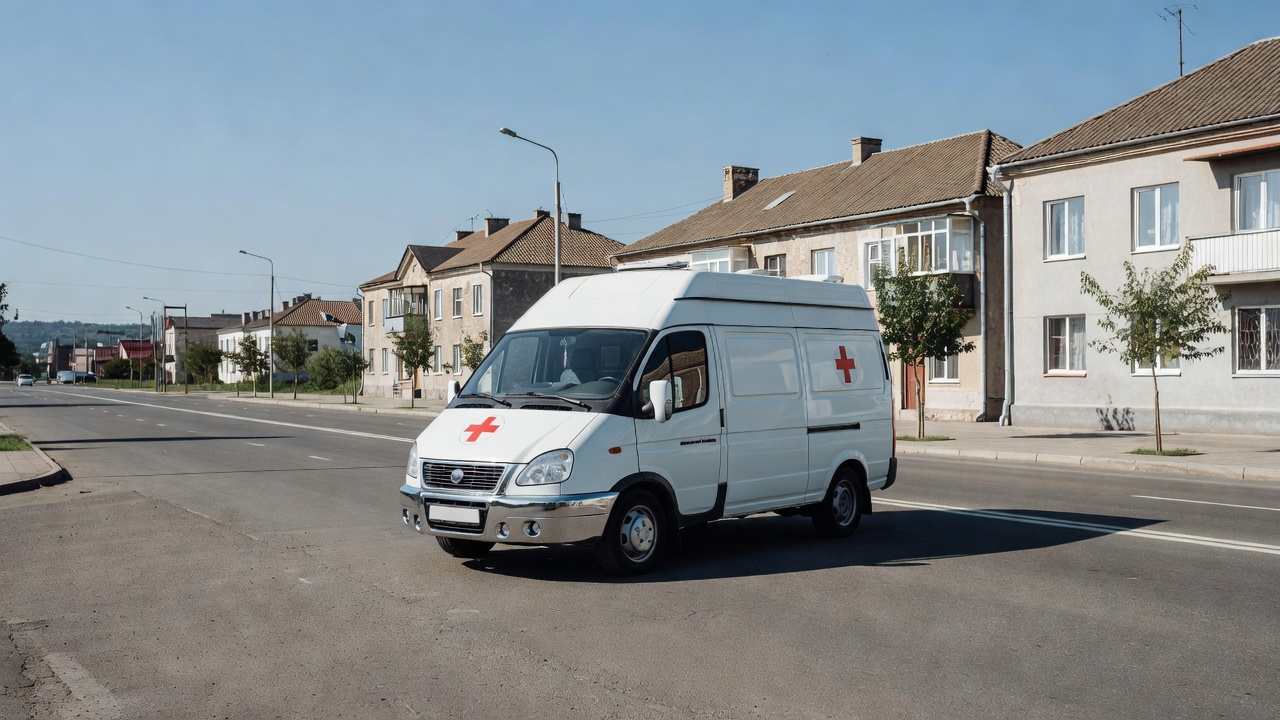
Inna Lytvynenko had responded to a woman injured by a Russian drone in Kherson when an FPV model smashed into her marked ambulance and a second began pursuing her on foot. She grabbed her trauma bag and fled for about 10 minutes while shouting in panic before police rescued her according to an account she gave to BBC News. “I panicked. I grabbed my trauma bag and started running. I shouted and screamed. I knew that if I stopped, I would die” Lytvynenko said. Drones then struck two additional vehicles sent to evacuate the patient and only a third police car succeeded hours later in the incident that exemplified what authorities term safari hunting.
President Volodymyr Zelensky called this week for increased international pressure on Russia to stop the deliberate hunting attacks on civilians following the latest safari incident. The World Health Organization has verified more than 3,000 attacks on Ukrainian healthcare since the full-scale invasion began in February 2022 with approximately two cases registered daily. A WHO assessment found that around 20 percent of recorded strikes targeted ambulances and health vehicles with nearly one in three resulting in casualties while the number of deaths has risen nearly fourfold compared with the previous year.[[1]](https://www.who.int/europe/news/item/08-05-2026-3000-attacks-on-health-care-in-ukraine-verified-by-who-since-full-scale-invasion)
A Médecins Sans Frontières report released in July described the frequency and precision of strikes on medical facilities as evidence of a deliberate strategy to undermine the health system rather than random consequences of conflict. The organisation documented more than 20 attacks linked to its own activities between April 2022 and December 2025 while Ukraine’s health ministry has tallied over 2,500 damaged or destroyed facilities in the same period according to the MSF assessment. MSF country coordinator Robin Meldrum stated that FPV drone operators can view targets through live camera feeds making strikes on clearly marked ambulances almost always intentional.[[2]](https://msf.org.uk/article/ukraine-destruction-healthcare-deliberate-and-calculated)
Russian missiles hit a Kherson hospital last month with three separate strikes in quick succession killing one doctor in what the facility director termed a deliberate assault. “It wasn’t just one missile there were three missiles that hit the hospital within a few minutes from each other. It cannot be an accident” Olena Tymoshenko told BBC News. Similar double-tap tactics appeared in a recent Kyiv air attack that killed seven people including a police officer and a volunteer who had arrived at the scene of an initial strike.
Reuters reported that Russian drones struck a medical facility in Kharkiv in February 2025 wounding at least seven people while AP News has detailed how FPV drones routinely target ambulances and civilian vehicles in Kherson turning the frontline city into what residents describe as a drone-infested zone. Warehouses operated by three United Nations agencies including the WHO sustained damage in air strikes last month alone even though coordinates are shared with both sides to avoid such hits according to WHO representative Jarno Habicht. “This is a new normality which should not be the normality” Habicht said of the sustained pattern.[[3]](https://www.reuters.com/world/europe/russian-drone-strike-hits-medical-facility-other-targets-kharkiv-mayor-says-2025-02-28/)
The attacks have pushed mobile clinics and ambulance services farther from front lines with MSF halting regular visits to about 80 villages and pausing operations in Sloviansk after previously reaching within five to eight kilometres. Frontline civilian populations consisting largely of elderly residents with chronic illnesses now face increasing isolation from routine care and medication according to MSF data. Meldrum noted that medical teams will not approach within 30 kilometres of active fighting and the safe distance continues to expand as drone ranges grow on both sides.