

 ع
ع


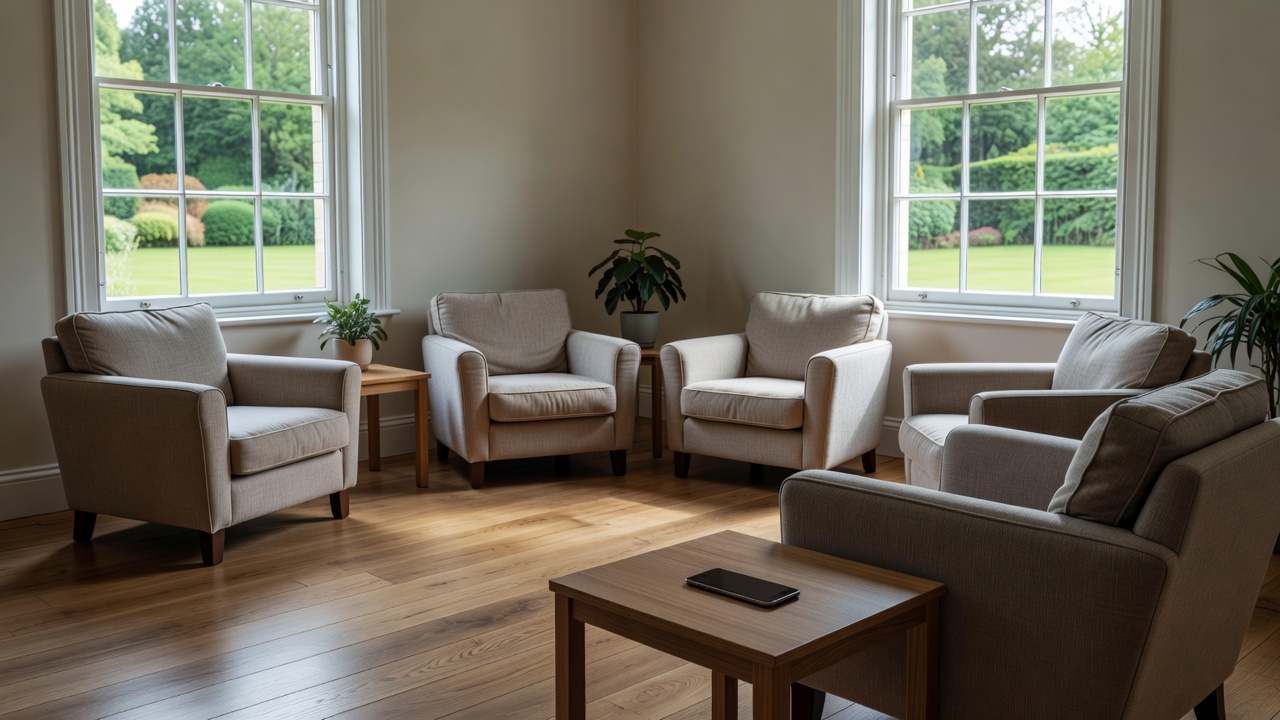
A personal trainer from the UK has entered therapy for his 14-hour-a-day phone addiction and is determined to beat it, a BBC report detailed this month. The man named Marios is attending a 12-session program at Rainford Hall in Merseyside where he likened the compulsion fueled by loneliness to carrying a drug dealer in his pocket that flashes and beeps constantly. According to a Deloitte survey 70 percent of 1,000 adults believe they spend too much time on their phones while Statista data places global average daily usage at 4.6 hours in 2025 a 20 percent increase since 2022.
The BBC report outlined how Marios cannot answer WhatsApp messages during therapy sessions but returns to the device immediately afterward. Rainford Hall which treats various addictions has witnessed rising client numbers worried about losing their phone as a perceived safe space. UK Addiction Treatment figures show one in three clients for drug dependency also presented with phone dependency last year up from one in 10 in 2019 and some individuals even refuse to surrender devices upon admission.
A meta-analysis of 24 countries involving more than 33,000 participants found problematic smartphone use increasing worldwide from 2014 to 2020 according to the study in Computers in Human Behavior. Reviews.org reported that nearly 46 percent of Americans considered themselves addicted to their phones in 2026 a rise of almost 3 percent from the prior year. Slicktext compiled data indicating smartphone owners unlock devices 150 times daily on average with over 50 percent never switching them off contributing to disrupted sleep and mental health.
James from Leicester who received treatment for alcohol addiction alongside digital dependency told the BBC he obsessed over social media news and constant checking after losing his job. He described dreading phone use yet feeling unable to stop as if the digital world held him hostage and a bit of his soul had been sucked out. The experience formed part of broader patterns seen at facilities like Rainford Hall where underlying issues such as disassociation receive attention through reduced screen time goals.
Internet and Technology Addicts Anonymous which models itself on Alcoholics Anonymous programs began in 2017 and has supported long-term recovery for some participants. A woman identified as Jenny said she would lose chunks of her life at the height of her addiction going days without sleep or food and borrowing devices during relapses but has now sustained recovery for five years. Another individual named Tom lost his business to 10-hour multi-screen binges and confronted suicidal thoughts before rediscovering enjoyment through pickleball gym sessions and outdoor activities.
Psychotherapist Hilda Burke author of the Phone Addiction Workbook noted in the BBC report that self-reflection on daily triggers such as waiting for messages proves useful for managing behavior. She recommended alternatives like calling friends running or reading while stressing the need to avoid guilt over occasional setbacks. Burke’s approach aligns with tools offered by phone companies for usage tracking and restrictions as more people seek help for dependencies that a 2025 Hidden Gems ABA compilation indicated affect 57 percent of Americans who self-identify as mobile phone addicts.
Marios has started learning Spanish through applications yet still reaches for his phone impulsively the BBC report added. He said “Every day I set myself an intention to not be on it as much and it is making a difference. And every day I am slowly beginning to enjoy things again. It can be done I’m sure.” The case illustrates how targeted therapy addresses both habits and root causes as treatment centers expand services for technology-related issues.