ع
ع


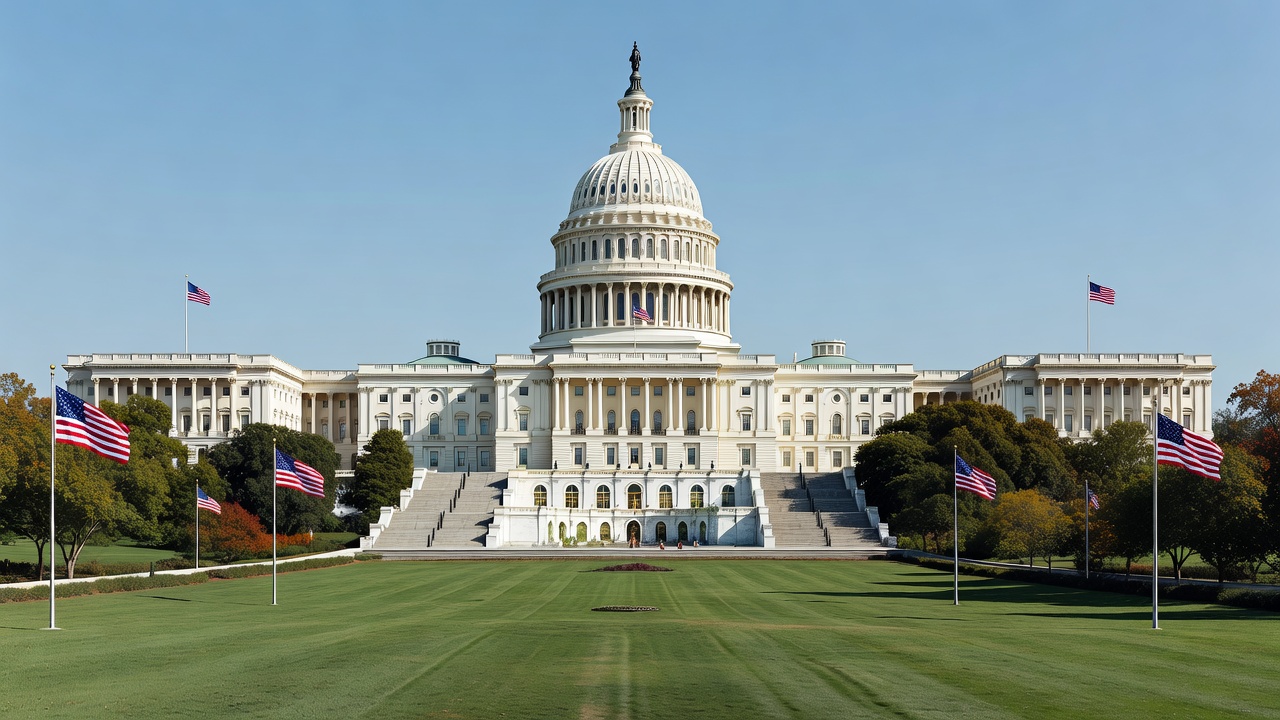
President Donald Trump outlined the plan during a speech at the Republican Party’s inaugural midterm convention in Dallas, dubbing the payments “Trump Dividends” and insisting that recipients spend the funds exclusively inside the United States. He tied the payouts directly to his party securing majorities in both the House and Senate next month but provided no blueprint for distribution or sourcing the money. The New York Times reported that the remarks have prompted fresh examination of whether such a conditional offer complies with federal election statutes.
The scale of the commitment would reach roughly $1.3 trillion based on an adult population of nearly 270 million, according to demographic figures cited across multiple outlets including BBC News. A constitutional analysis published on usconstitution.net stressed that the Appropriations Clause grants Congress sole authority over drawing money from the Treasury, meaning any such program would require fresh legislation rather than unilateral executive action. Trump made no reference during the address to seeking the necessary congressional approval or identifying offsets in the federal budget.
Federal law bars expenditures explicitly designed to sway votes, a prohibition that has fueled immediate scrutiny of the pledge, The New York Times reported. At the same time, legal specialists have offered perspectives that distinguish the statement from outright vote-buying. Jessica Levinson, a professor who teaches election law at Loyola Law School, told the newspaper the idea resembled a straightforward campaign vow to cut taxes and did not stray far beyond accepted political rhetoric.
Richard Hasen, an election law scholar at the University of California, Los Angeles, told The New York Times that the promise enjoys First Amendment protection, citing the Supreme Court’s unanimous 1982 decision in Brown v. Hartlage. That ruling struck down a Kentucky statute prohibiting candidates from making monetary offers tied to votes when the benefit would flow through ordinary governmental channels rather than private deals. A criminal defense attorney interviewed by the Associated Press similarly described the campaign promise itself as lawful even while acknowledging substantial obstacles to turning it into policy.
Democrats moved swiftly to characterize the announcement as desperate electioneering unlikely to materialize. Party officials and strategists argued that the absence of any funding mechanism rendered it an empty gesture aimed at energizing the Republican base ahead of the midterms. The proposal arrives amid ongoing fiscal strains from earlier administration initiatives, including ideas floated last year around potential “DOGE dividends” that policy analysts at the time labeled wildly unfeasible without legislative backing, according to a Fast Company assessment.
A BBC video segment titled “Watch: Is Trump’s $5,000 election pledge legal?” featured North America editor Sarah Smith reviewing the feasibility of the $1.3 trillion program and the lack of implementation details. Past direct-payment efforts, such as pandemic stimulus checks, succeeded only after Congress passed specific authorizing statutes that appropriated the funds, budget specialists have noted in related coverage. Whether Republican lawmakers would coalesce around such a costly universal dividend if they retain power remains an open question that will likely shape post-election negotiations.