

 ع
ع


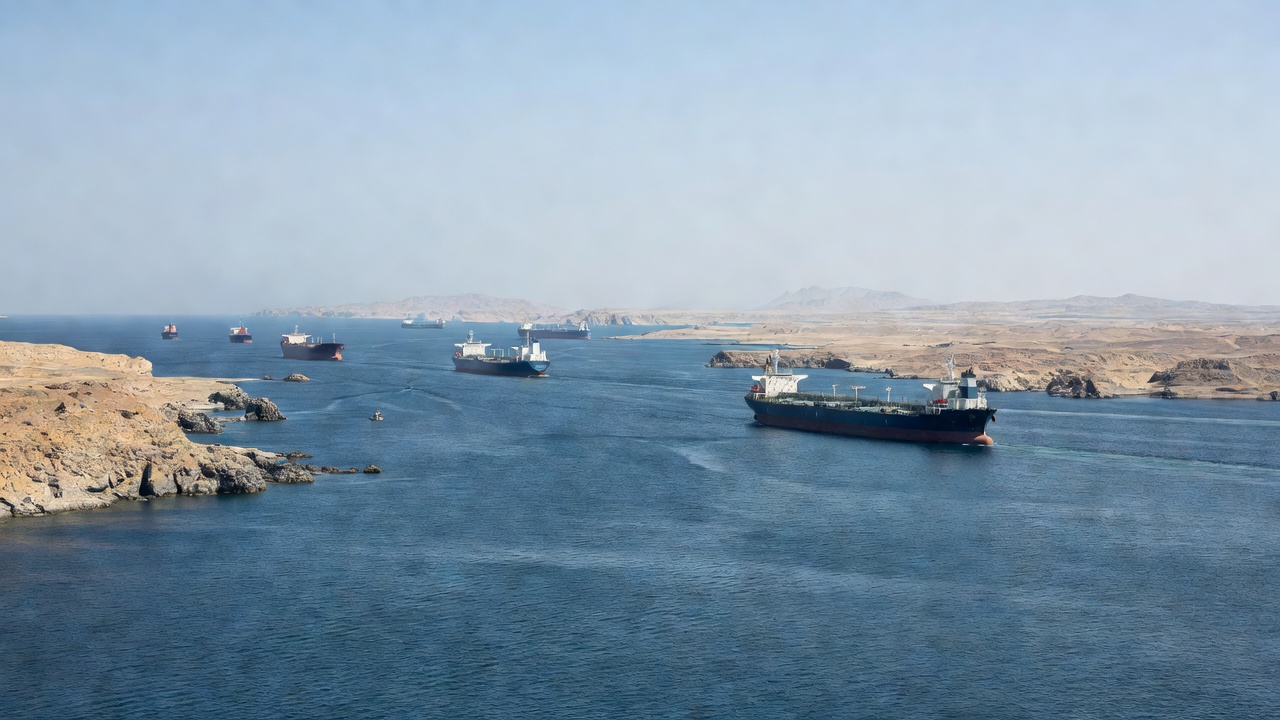
US Central Command stated that the latest strikes aimed to degrade Iran’s capacity to threaten commercial shipping through the Strait of Hormuz. Iranian state media reported explosions in Tabriz, Chabahar, Konarak and Bushehr, the location of the country’s only nuclear power plant, while air defences activated over Tehran. Kuwait, Bahrain and Jordan each confirmed intercepting Iranian drones and missiles during the exchanges, according to their respective military statements.
President Donald Trump told reporters during a White House meeting with Lebanese President Joseph Aoun that Pickaxe Mountain, an underground site where Iran is suspected of developing an undeclared enrichment facility, could be targeted next. “We’ll be hitting that area pretty soon, and very heavily,” Trump said, adding “there’s not a thing they can do about it.” Iran’s Khatam Al-Anbiya military command responded that any strike on the site would count as an expansion of the war and would prompt attacks on all American, allied and supporting interests in the region, the Iranian state broadcaster IRIB reported.
The escalation follows a ceasefire concluded in April and a memorandum of understanding signed in June that sought to end military operations and reopen the Strait of Hormuz within 60 days, according to a BBC compilation of diplomatic developments. Trump declared the ceasefire over after Iranian retaliatory actions, restarting the campaign that originally began with US and Israeli airstrikes on February 28. A Pentagon briefing placed cumulative American costs for the conflict at $37.5 billion by early July.
Defense Secretary Pete Hegseth informed a Senate committee that the $37.5 billion total reflected an $8 billion increase since May, driven primarily by munitions expenditure. A Center for Strategic and International Studies assessment issued in June calculated that missiles and related equipment accounted for $26 billion of the outlay, while independent trackers including an Iran war cost monitor estimated the full taxpayer burden could reach $113.3 billion when long-term veteran and economic effects are included. These figures have prompted supplemental funding requests as routine military training programs face cuts, Hegseth noted in congressional testimony.
Houthi rebels announced the closure of the Bab al-Mandab Strait to Saudi vessels, disrupting Red Sea oil routes and forcing at least two tankers to divert to the Suez Canal, according to shipping industry updates. Trump stated he would “take care of” the Houthis should they implement the blockade on Saudi ports. The Red Sea route remains critical for global energy flows, with prior disruptions in the current conflict already contributing to oil price volatility tracked by energy market analysts.
The Pickaxe Mountain complex forms part of Iran’s network of hardened nuclear installations that also includes the Natanz enrichment halls, facilities that have drawn repeated scrutiny in International Atomic Energy Agency quarterly reports for undeclared activities and restricted inspector access. US strikes additionally targeted aircraft hangars, drone storage facilities and logistics hubs tied to Iran’s maritime operations, Centcom inventories show. Iranian retaliation has included missile launches toward Gulf states, further elevating regional tensions that began with the initial February strikes.