ع
ع


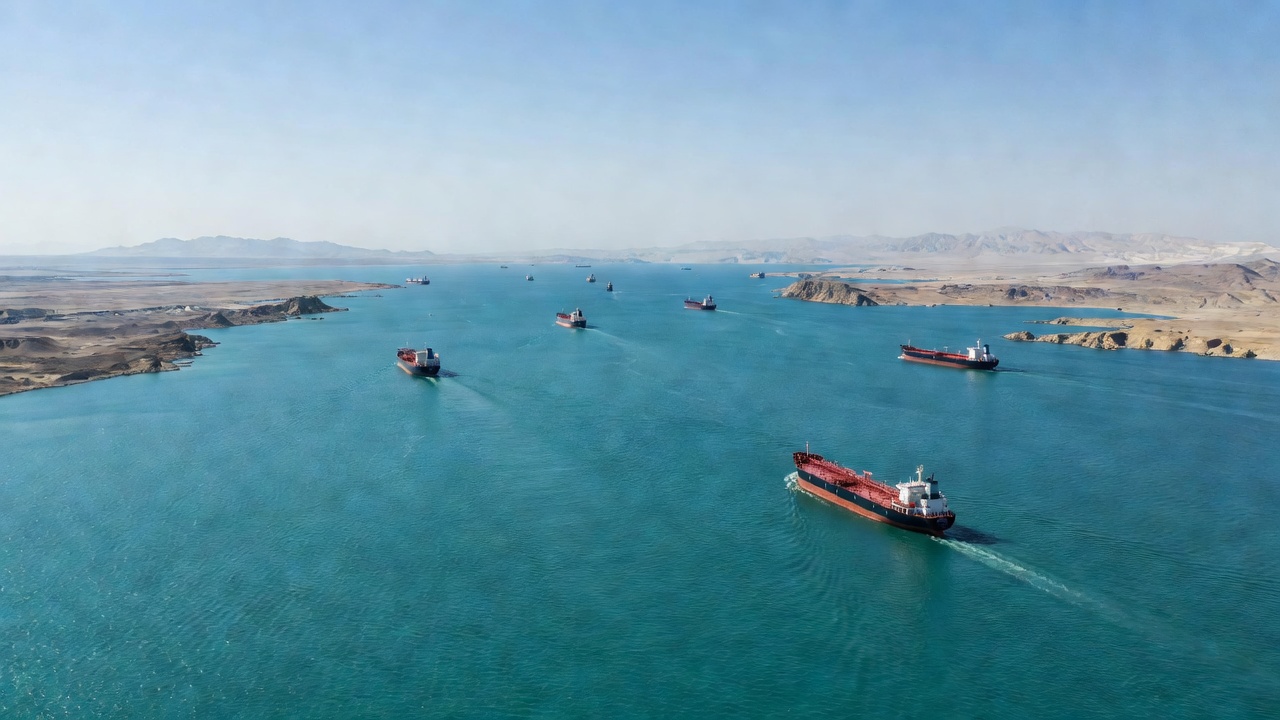
President Donald Trump announced the policy reversal in a post on Truth Social, stating he had decided to replace the 20 percent United States Reimbursement Fee with trade and investment deals that various Gulf states will make with the United States. Those investments will be massive but at the same time extraordinarily good for them and their future, Trump added in the statement. He noted that the strait is open to all ship traffic except for Iran and that oil is flowing like never before thanks to the awesome power of the United States military, according to the post reported by Reuters.
The US president made the comments after receiving numerous calls from Gulf leaders, a BBC report citing his remarks said. Speaking following talks in Washington with Iraqi Prime Minister Ali al-Zaidi, Trump said he does not like the concept of a fee but that it is not fair the United States is protecting the strait for the entire world. The announcement came just before US Central Command confirmed the naval blockade on Iranian ports would take effect at 4 p.m. Eastern time Tuesday.
Al Jazeera reported that the United States launched an additional round of strikes on Iran, with explosions reported in locations including Sirik, eastern Hormozgan, Bampur, Chabahar, Bandar Abbas, Ahvaz and on Qeshm Island. Iran’s state media reported blasts in multiple cities including Bushehr, home to a nuclear power plant, while Tehran said it had targeted US military facilities in Bahrain and Jordan after hitting two United Arab Emirates tankers. The United Arab Emirates condemned Iran’s attack on the tankers as brazen, according to regional coverage carried by AP News.
Israeli Prime Minister Benjamin Netanyahu warned in a video published on social media that his country’s retaliation against Iran would be much more powerful if it is attacked first. Netanyahu stated, I will say it to the leaders of Iran: Do not count on things remaining quiet if you attack us. The Israeli statement came as the US carried out its third night of attacks aimed at degrading Iran’s ability to target shipping in the area, The Guardian reported.
Shipping data reviewed by industry analysts showed traffic through the Strait of Hormuz had slowed dramatically to a two-month low following Iran’s effective shutdown of the waterway, according to Reuters. The benchmark Brent crude oil price has risen sharply as a result of the disruptions, market reports confirmed. Iran closed the passage, which handles some 25 percent of the world’s oil and 20 percent of global liquefied natural gas, after US and Israeli strikes began on Feb. 28, energy sector assessments cited by the BBC found.
Trump has indicated that strikes on Iran will continue until he says enough, a position reported across outlets including Fox News and CBS News. The US Central Command outlined that the reinstated blockade covers all Iranian ports, oil terminals and coastal areas as part of efforts to break Iran’s hold on the strategic chokepoint. Multiple news organizations including NBC News have detailed how the events reflect an escalation in the US-Iran confrontation over control of the Strait of Hormuz.