

 ع
ع


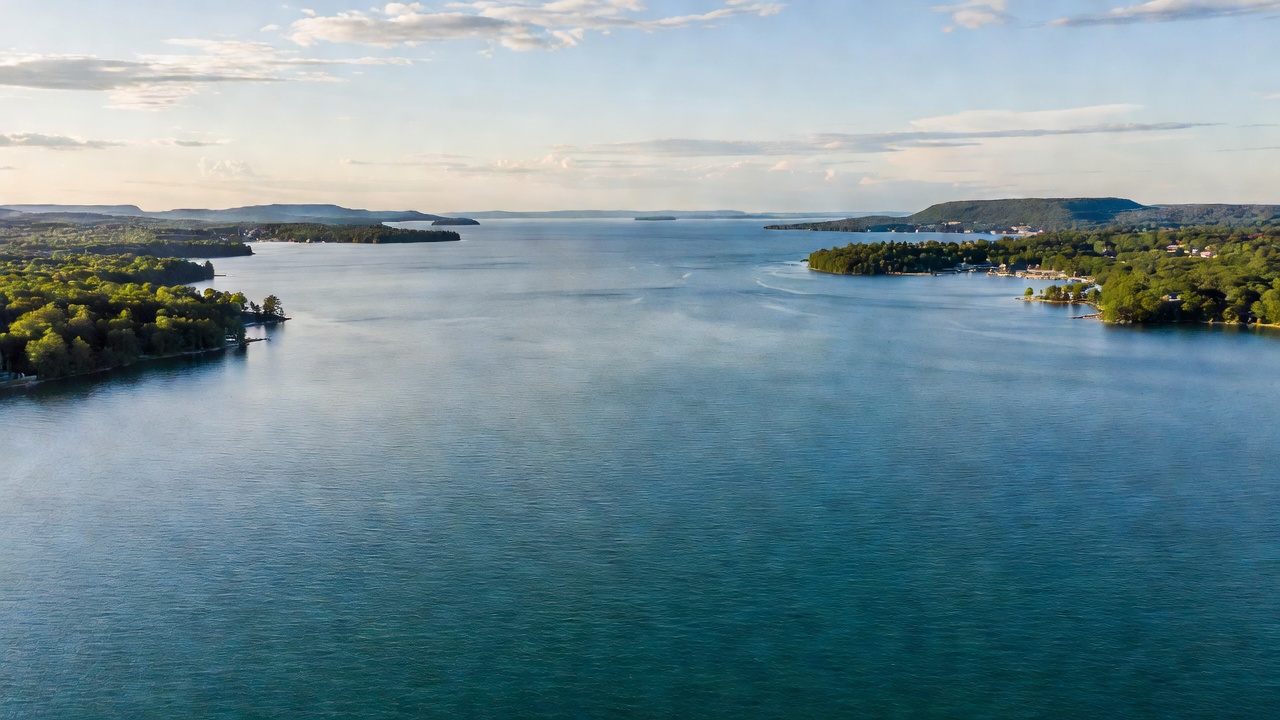
The White House released the text of the order that same day, stating that the body of water represents a tremendous asset to the United States and part of the nation’s heritage. Trump signed the document in the Oval Office while seated at the Resolute Desk and flanked by maps of the Great Lakes bearing the slogan “Making the Great Lakes Even Greater.” He told reporters the change was official and effective immediately after his administration had filed all necessary papers and notified the relevant parties, according to accounts from The New York Times and CNN.
Canadian Prime Minister Mark Carney responded by insisting the lake retains its established name. “Things must be called by their name, and this lake is called Lake Ontario – today and forever,” Carney stated. Ontario Premier Doug Ford issued a similar rejection, declaring it Lake Ontario to Canadians and the rest of the world now and forever, while other provincial officials voiced parallel dismissals in the hours after the announcement.
The Center for Great Lakes Literacy traces the name Lake Ontario to the Iroquois word “Ontarí’io,” meaning “lake of shining waters,” which first appeared on European maps in the 1660s. Axios data indicate that roughly 47 percent of the lake’s surface lies within the United States, although the executive order asserts that the deepest parts and most of its volume fall in American territory. The lake remains the smallest of the five Great Lakes while anchoring cross-border shipping and economic activity between New York and the province of Ontario.
Trump’s action mirrors an executive order he issued on his first day back in office in January 2025 that renamed the Gulf of Mexico as the Gulf of America. Mexico rejected that change, leading to divergent labels on Google Maps by user location and prompting an ongoing lawsuit by the Associated Press against the administration. No universally recognized international body exists to set names for shared bodies of water, leaving the latest renaming applicable only to US government usage according to legal reviews cited across reporting.
The renaming unfolded days after trade talks between the two countries collapsed, prompting the United States to impose 50 percent tariffs on $20 billion worth of Canadian goods. Canada announced it would apply matching “dollar for dollar” counter-tariffs beginning next month. Trump linked the name change to broader complaints, stating that Canada has been ripping the United States off on trade for a long time, including by receiving military defense without sufficient reciprocity.
Interior Secretary Doug Burgum applauded the directive in a public message, confirming that the US Geological Survey had already updated all official electronic documents to reflect the new name. New York Governor Kathy Hochul countered that her state would not adopt the federal renaming. Representative Debbie Dingell, a Michigan Democrat, introduced legislation aimed at nullifying the order and described the step as idiotic in subsequent statements.