
 ع
ع


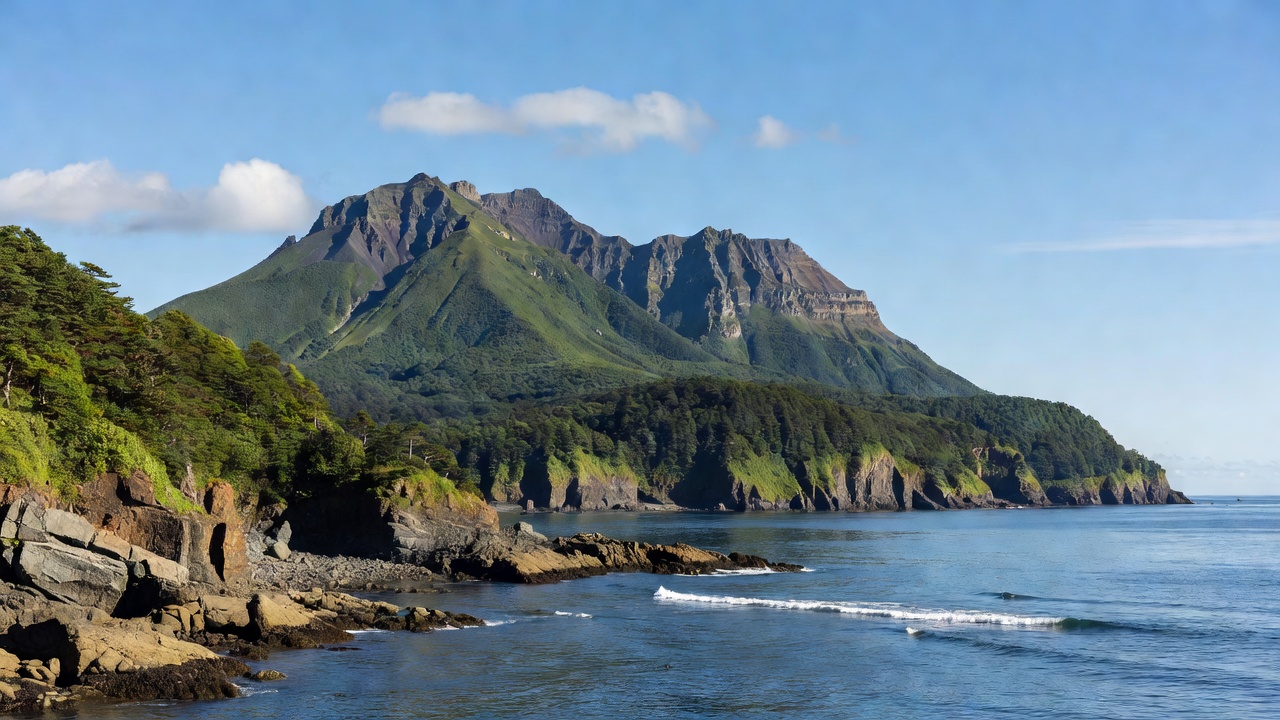
Russian state media reported that President Vladimir Putin traveled Thursday to the island known as Iturup in Russia and Etorofu in Japan, in what it described as his first visit to the Kuril chain. Japan’s Foreign Minister Toshimitsu Motegi responded with a post on X declaring the islands inherently Japanese territory both historically and under international law, adding that the government strongly protests the trip, according to BBC News. Motegi framed the action as inconsistent with Tokyo’s longstanding position on the Northern Territories, the name Japan applies to the four southern islands under Russian administration.
The dispute originated with Soviet occupation of the islands in the final days of World War II, an action that according to a GIS Reports Online assessment has kept them under continuous Russian control since 1945. A paper from the Center for Security Studies at ETH Zurich notes that the unresolved sovereignty question blocked conclusion of a formal peace treaty between Moscow and Tokyo despite the end of hostilities more than 80 years ago. Japan has maintained that the islands were unlawfully seized, a stance that has defined bilateral ties across successive decades.
Earlier this month Japan lodged a diplomatic protest over Russian live-fire drills near Kunashiri and Etorofu, stating through official channels that it cannot accept efforts to bolster military presence around the Northern Territories, The Japan Times reported on August 5. Those exercises formed part of a pattern of stepped-up Russian activity that included Pacific Fleet missile tests in late July, prompting repeated objections from Tokyo. The Russian Defense Ministry has described such drills as standard operations in its Far Eastern territory.
One day before the island visit, Putin asserted during naval drill inspections in Yuzhno-Sakhalinsk that effective Russian control of the four islands constitutes a postwar reality enshrined in international documents, according to state-run Tass news agency coverage carried by Nippon.com. He acknowledged former Japanese Prime Minister Shinzo Abe’s earlier constructive engagement but criticized Tokyo’s sanctions linked to the Ukraine conflict, stating the shift in Japan’s position was in no way provoked by Moscow. The August 12 appearance marked Putin’s first trip to the Sakhalin region since 2013 ahead of upcoming parliamentary elections.
Previous Russian visits to the chain have drawn comparable Japanese protests, including a 2021 trip by the prime minister that Moscow dismissed as prompting a hostile reaction, Reuters reported at the time. A December 2025 GIS Reports Online article observed that deepening Moscow-Beijing cooperation has increasingly framed the islands within broader regional security dynamics involving Japan. Diplomatic exchanges have continued without resolving the underlying territorial claims that originated in 19th-century treaties and the 1945 Soviet advance.