ع



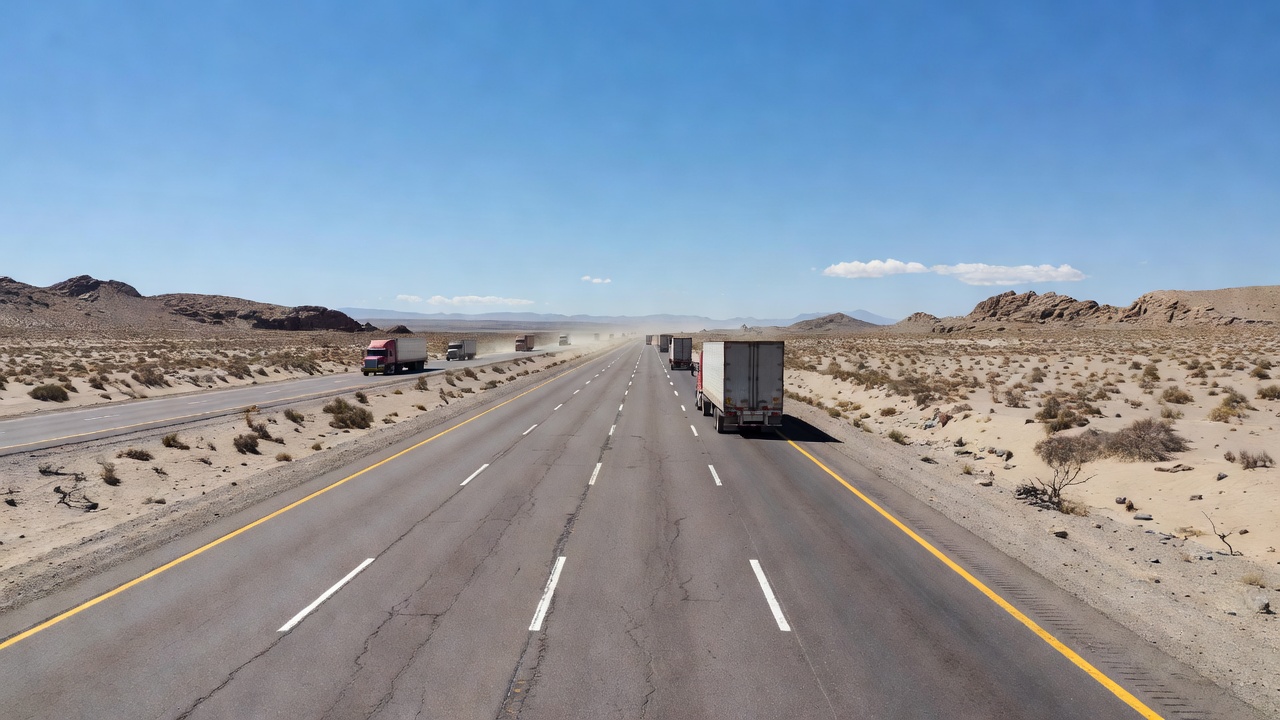
Independent truck drivers and transport groups staged partial blockades on Chile’s main north-south highways on November 10 2026 disrupting traffic and access to ports and mining areas in a protest over sustained fuel price increases. The actions organized by the Confederacion de Transportistas Fuerza del Norte and the No+TAG movement involved hundreds of vehicles in regions including Tarapaca Biobio and areas near Santiago though the country’s largest trucking associations did not participate. Reuters reported that a cruise ship canceled a stop in Iquique because of the disruptions while supply chains for mining operations faced delays. Protesters limited full closures to avoid total paralysis but slowed traffic enough to create kilometers-long backups in several locations.
Union leaders demanded restructuring of the MEPCO fuel stabilization mechanism elimination of the specific tax on hydrocarbons and revisions to toll fees on concessioned roads. One representative told local media that the government’s plan to limit weekly increases to 20 pesos after this week’s adjustment offered no long-term relief given that diesel prices have climbed from around 990 pesos to 1 650 pesos per liter in recent months. According to Cooperativa radio the groups also called for improved road security and better freight rates to offset rising costs. The strike continued after an initial meeting with transport officials failed to yield concessions.
The government of President Jose Antonio Kast announced on November 9 that it would use fiscal savings to support MEPCO and fast-track legislation capping any weekly fuel increase at 20 pesos per liter for 90 days. Officials confirmed the adjustment taking effect November 12 would be held to the legal minimum of 40 pesos per liter for both gasoline and diesel. Economy Minister Daniel Mas urged dialogue stating the country could least afford transport disruptions amid existing economic pressures. The measures follow earlier subsidies that distributed more than 54 billion pesos to smaller operators earlier in the year.
Chile’s National Statistics Institute reported that consumer inflation reached 4.5 percent in the 12 months through October up from 4.1 percent the prior month with transport costs rising 2 percent in October alone. Diesel prices jumped 12.3 percent that month and stand 53.5 percent higher for the year to date while gasoline has increased 26.2 percent according to the institute’s data. The surge stems from international oil volatility and a government decision earlier in 2026 to pass through more of those costs directly to consumers. Analysts project further pressure on household budgets and business expenses if the trend continues.
The blockades have raised concerns about impacts on mining exports food distribution and general supply chains in a country where freight transport underpins much of the economy. Ports in the north saw restricted truck access while southern routes near Los Angeles experienced significant congestion according to local reports. The Finance Ministry noted that MEPCO interventions have already cost more than 1 trillion pesos in recent months highlighting the fiscal strain of stabilization efforts. Similar protests in past years prompted expanded relief programs for affected sectors.
Negotiations between union representatives and the interior minister were set to resume on November 11 as the indefinite strike entered its second day. Government officials emphasized that the proposed 90-day cap would provide predictability for transporters and families while avoiding unlimited fiscal exposure. Union spokespeople described the offers as inadequate and maintained their call for deeper reforms to taxes and the MEPCO framework. The situation remains fluid with potential for wider participation if demands are not met.