ع
ع


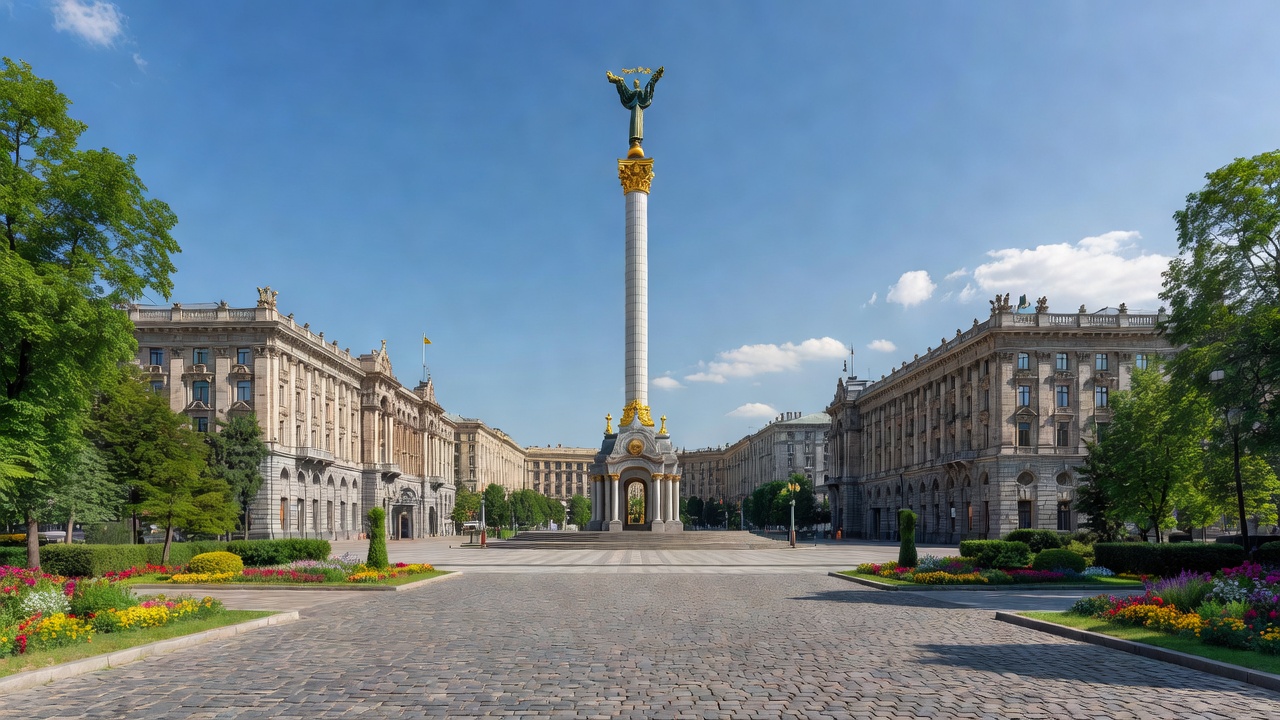
Protests in Ukraine’s cities against Zelensky’s removal of defence minister drew thousands of mostly young demonstrators to central squares in Kyiv and several other locations on July 16 2026 according to France 24 correspondents on the ground. Crowds sang the national anthem waved Ukrainian and European Union flags and chanted slogans including “shame” and “bring Fedorov back” while holding signs that read “Hands off Fedorov” and “Stop sabotaging victory”. France 24 reported that the demonstrations marked a rare outbreak of public dissent during wartime with the last comparable protests having occurred a full year earlier. Arab News reporters observed more than one thousand people gathered in a Kyiv central square where the atmosphere remained largely peaceful though charged with frustration over the decision.
Mykhailo Fedorov who at 35 had served only six months in the role earned widespread acclaim for modernising the defence ministry through anti-corruption drives and data-driven analysis of battlefield performance the Wall Street Journal noted in its coverage of the reshuffle. A former digital transformation minister he had earlier established the IT Army of Ukraine for cyber operations and spearheaded the Army of Drones initiative that used gamification to reward units for destroying Russian assets. The BBC quoted a soldier named Oleksandr who joined the army this year because of trust in Fedorov’s reforms as describing the dismissal as “the worst mistake Zelensky has made during his entire presidency” and adding that “I don’t know anyone who supports the decision to replace him not within the army not in society”.
According to the Kyiv Independent soldiers veterans and activists voiced outrage at the move with one protest participant Maria Lavrynets telling the BBC at Ivan Franko Square in central Kyiv that she had lost many friends in the military and did not want the conflict to continue without Fedorov’s leadership. “We see his results we see the motivation of the soldiers we should stand for them” she stated. Pavlo Yelizarov a prominent drone unit commander resigned from his air force deputy role in direct protest at the sacking which he labelled “a great evil for the country’s defence capability” while prominent blogger Serhii Sternenko whom Fedorov had appointed as an adviser called him “the best minister of defence in our entire history” and criticised bureaucratic obstacles that had slowed reforms.
Zelensky has offered no public explanation for the dismissal which some officials and commentators have linked to reported tensions between Fedorov and Commander-in-Chief Oleksandr Syrskyi as well as delays in overhauling the military’s mobilisation system the BBC assessment found. MPs were scheduled to vote later on July 16 on naming Ihor Klymenko the current interior minister as the replacement. The Wall Street Journal reported that the decision came even as Ukrainian forces have gained momentum in certain areas of the ongoing conflict now in its fifth year since Russia’s full-scale invasion in 2022.
Fedorov announced his departure on social media late on July 15 describing it as “a great honor to serve the Ukrainian people” and listing achievements that included disrupting Russian operations through innovative drone use and mid-range strikes aimed at cutting occupied Crimea off from supply lines. In a subsequent Facebook post he pledged to “continue to defeat the enemy through asymmetry speed of innovation and organisational strength” according to multiple outlets that reviewed the statement. France 24 added that the former minister had declined Zelensky’s offer to serve as an adviser in the aftermath of the reshuffle.
The demonstrations have raised fresh questions about unity within Ukraine’s wartime leadership at a time when public support for continued resistance remains critical Gulf News coverage indicated. Reports from RTE and the New Indian Express echoed the accounts of coordinated actions in several cities highlighting how Fedorov’s focus on high-technology warfare had resonated both domestically and with Western partners. Protesters and military voices alike expressed fears that the change could undermine recent innovations that had contributed to disrupting Russian advances including efforts involving Starlink satellite technology.