ع
ع


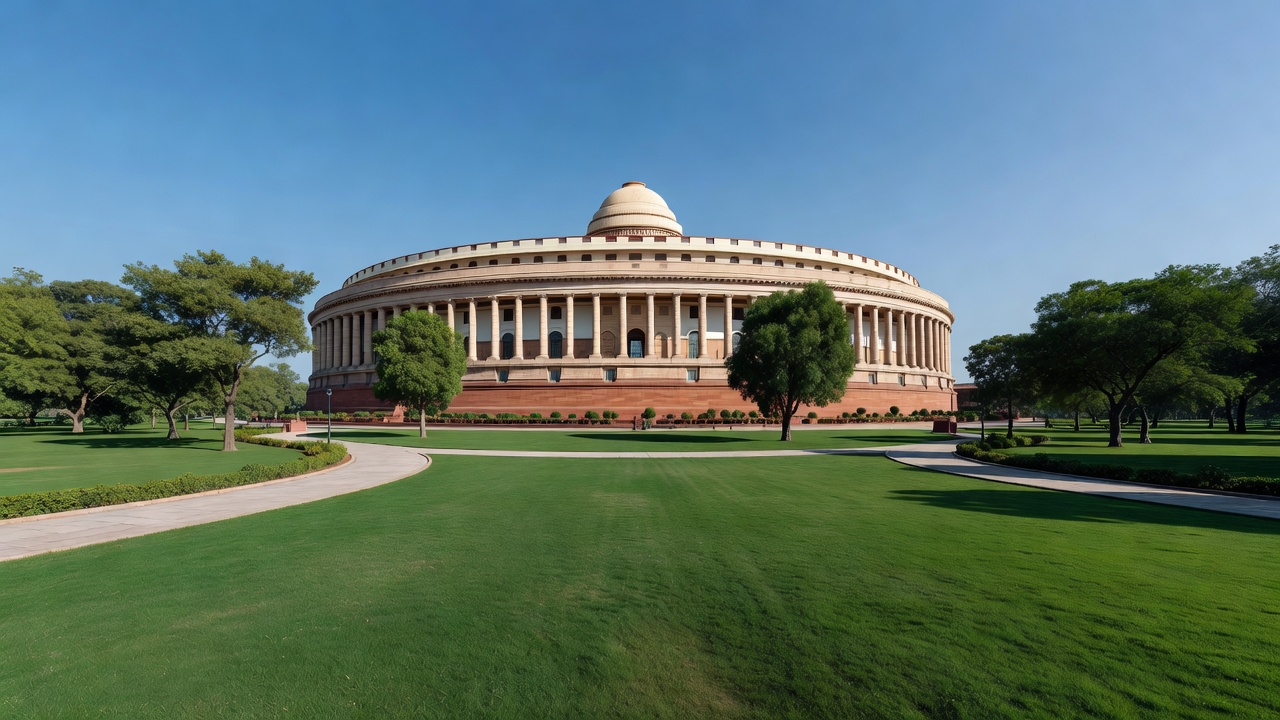
The Cockroach Janta Party has rapidly expanded from a small satirical group into a nationwide youth movement since its founding two months earlier, according to a New York Times assessment of the protests that began in May 2026. Founder Abhijeet Dipke announced that the planned march to Parliament would proceed regardless of official restrictions as supporters converged at Jantar Mantar over the weekend, The Guardian reported. Police deployed hundreds of officers and imposed prohibitory orders around the legislature on the opening day of the monsoon session while denying permission for the demonstration, BBC News India stated in its coverage from the scene.
The movement originated as a direct response to the chief justice’s comparison of unemployed young people to cockroaches and parasites, an insult that galvanized participants into adopting the name as a symbol of resilience, the New York Times detailed in an earlier report on the group’s formation. CJP organizers issued an education manifesto that calls for stricter measures against paper leaks, faster result processing and greater transparency in competitive examinations that determine access to higher education and government jobs, Wikipedia’s entry on the party noted based on public statements. Protesters have highlighted how such scandals have eroded trust in institutions responsible for administering tests taken by millions of aspirants each year.
Exam irregularities, including the 2026 NEET paper leak, have contributed to dozens of student suicides over the past decade as families face intense pressure from the high-stakes system, an Al Jazeera feature on the protests found through interviews with affected families. The Cockroach Janta Party initially focused its demands on the resignation of Education Minister Dharmendra Pradhan for what it described as inadequate oversight of the National Testing Agency, according to statements compiled by The Wire. As the indefinite sit-in at Jantar Mantar stretched from June 20 into July, the scope of grievances broadened to include compensation for victims’ families and systemic changes across the examination framework.
Activist Sonam Wangchuk’s hunger strike in solidarity with the CJP, which entered its 21st day on July 19, ended abruptly when authorities forcibly hospitalized him on Saturday, prompting an escalation that now includes calls for Prime Minister Narendra Modi’s resignation, multiple outlets including DW and Al Jazeera reported. Dipke raised slogans at the protest site condemning what he termed authoritarian tactics while urging participants to maintain discipline amid fears of infiltration by political opponents, a DW dispatch from the preceding days quoted him as warning. The incident has drawn additional support from parents, opposition politicians and student groups who joined the gathering in central Delhi.
Organizers emphasized that the march represents a culmination of months of grassroots mobilization across several states where similar demonstrations highlighted technical failures and accountability gaps in the testing process, the BBC article on the planned event described. Security officials expressed concerns over potential disruptions during the parliamentary session but have not commented publicly on the specific triggers behind the youth mobilization, Reuters coverage indicated through official briefings. Participants carried placards referencing both the cockroach metaphor and the human cost of repeated scandals as they prepared to advance despite the risks of confrontation.
The CJP’s growth underscores deeper frustrations among India’s large youth population with limited opportunities and an education infrastructure strained by corruption allegations and administrative shortcomings, a FairPlanet analysis of the so-called cockroach revolution observed. No immediate government response to the latest demands had been issued as the protest entered its critical phase on Monday, according to updates from The Guardian and other regional monitors. Organizers continue to coordinate through social media while stressing nonviolent conduct to sustain momentum built since the initial actions in June.