ع
ع


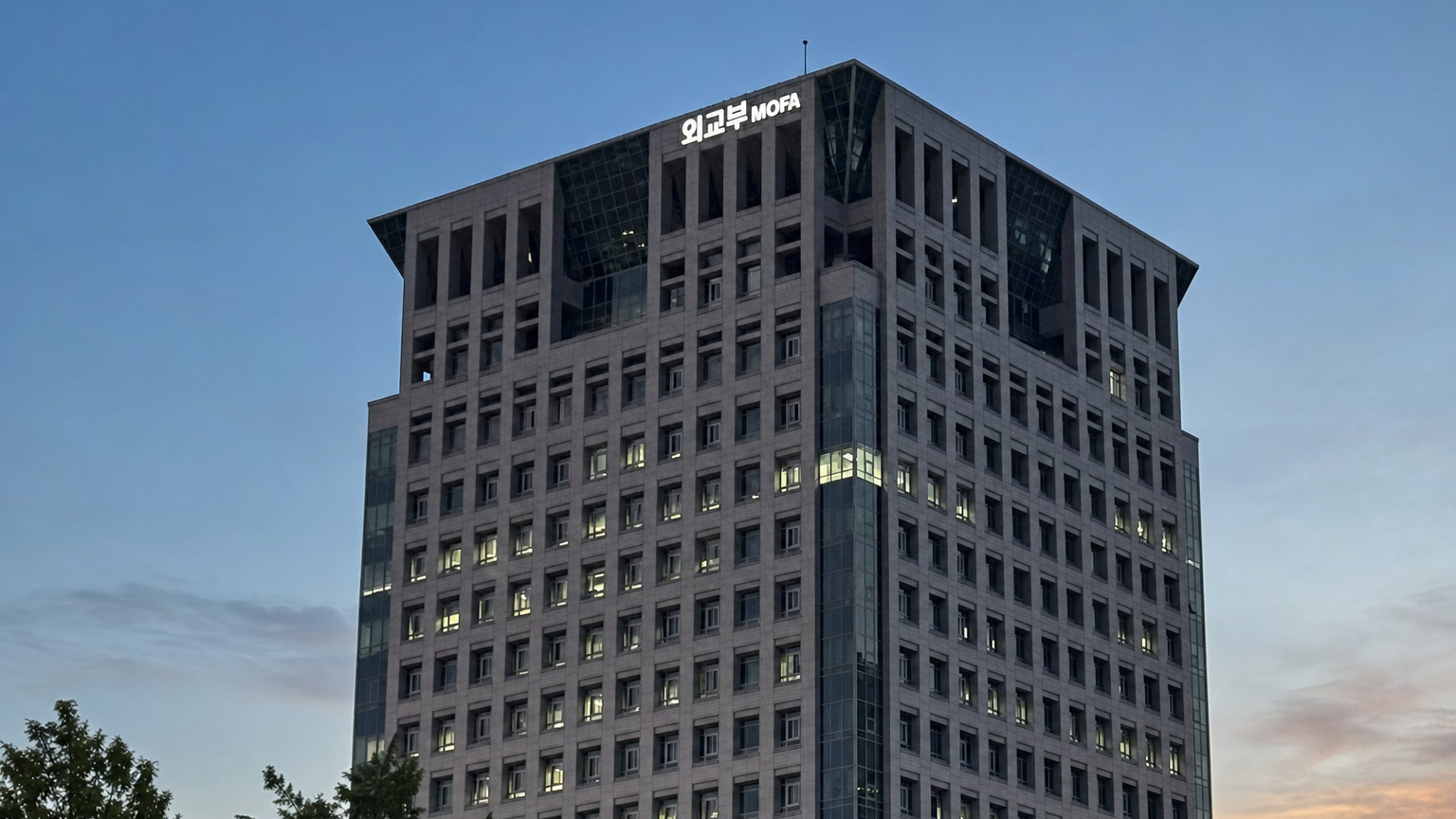
The South Korean Foreign Ministry summoned Ukraine’s charge d’affaires Andrii Vieshkin on September 28, 2026, to register a strong protest against the public disclosure of a sensitive prisoner transfer. First Vice Foreign Minister Park Yoon-joo met with Vieshkin and expressed deep regret that Ukrainian President Volodymyr Zelenskyy had revealed the move during his address to the United Nations General Assembly the previous week, according to a ministry statement. The ministry described the action as a breach of an agreement to keep the transfer confidential and demanded an official apology along with assurances that such incidents would not be repeated. Vieshkin pledged to convey Seoul’s position accurately to his superiors in Kyiv.
The two North Korean soldiers were captured in January 2025 in Russia’s Kursk region after being deployed to fight alongside Russian forces against Ukraine, reports from multiple outlets including Reuters indicated. Following their capture, the soldiers indicated their preference to be sent to South Korea rather than returned to the North, prompting extended diplomatic discussions between Seoul and Kyiv. In a June 30, 2026, meeting, the foreign ministers of both countries agreed that the matter should be handled according to international law and humanitarian principles while respecting the individuals’ wishes, the Korea Herald reported.
Zelenskyy announced the transfer in his UN speech, stating “Recently, we sent two North Korean prisoners of war to the Republic of Korea” and noting that they had not been easy to capture alive. South Korean officials, including President Lee Jae Myung, reacted with disappointment, describing the disclosure as greatly damaging to national security interests and humanitarian considerations for the soldiers’ relatives still in North Korea. Lee stated that both governments had concurred on maintaining secrecy to avoid potential repercussions, according to his public comments shared on social media.
The Foreign Ministry further criticised what it called a false statement from the Ukrainian presidential office denying the existence of any confidentiality agreement, saying it undermined trust between the two nations. Ukraine’s foreign ministry has so far declined to provide comments on the diplomatic protest when contacted by international media. This latest development comes amid broader cooperation between South Korea and Ukraine on issues stemming from North Korea’s involvement in the Russia-Ukraine conflict.
South Korean intelligence estimates place the total number of North Korean troops dispatched to Russia since late 2024 at around 14,000 to 15,000, a figure that has heightened concerns about the alliance between Pyongyang and Moscow. The captured pair represent the first confirmed instances of North Korean soldiers taken prisoner alive in the conflict. Their transfer to South Korea follows more than 18 months of negotiations focused on ensuring their safety and compliance with global standards for prisoners of war.
In South Korea the former soldiers will now enter a standard defector screening process that can last up to 90 days under the protection of the National Intelligence Service, according to a Reuters review of applicable procedures. This includes thorough background checks, debriefings on their military experiences and assessments for any security risks. The Unification Ministry has indicated that their cases will be reviewed in line with laws governing North Korean defectors, potentially leading to resettlement support if all criteria are met.