
 ع
ع


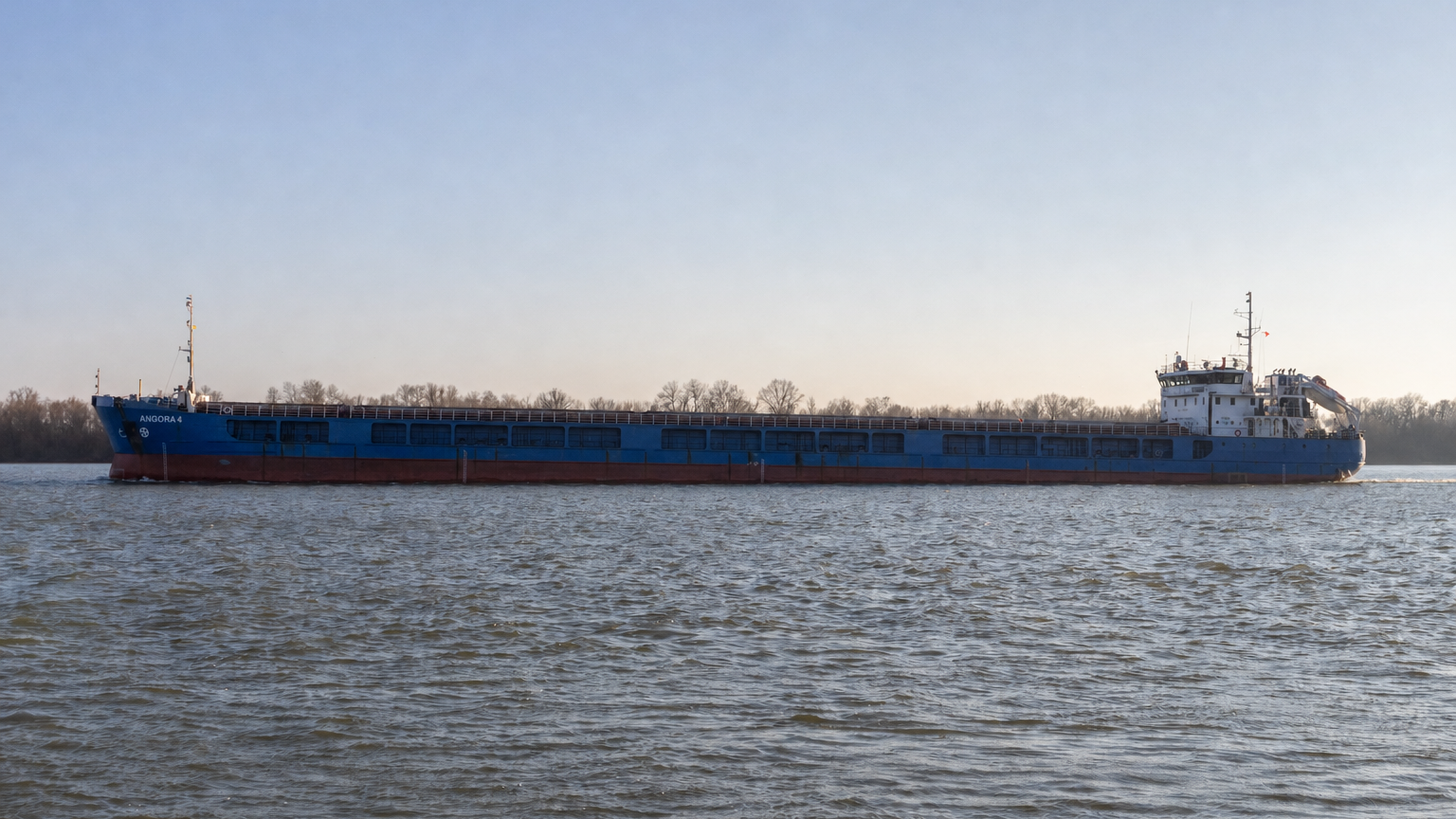
Romania’s Interior Ministry reported that a commercial vessel identified as the Royad Mammadov caught fire in the country’s exclusive economic zone about 30 nautical miles south of the port of Sfantu Gheorghe leading to the ship’s sinking. According to Ukrainian President Volodymyr Zelensky the attack involved two Russian drones targeting the Turkish-owned civilian ship in neutral waters as it transported corn from the Ukrainian port of Izmail toward Italy. The Romanian coast guard launched vessels and a helicopter for search and rescue operations after receiving alerts around 11:00 local time with initial reports placing the incident near an offshore oil platform.
Zelensky stated that the crew included citizens of Azerbaijan and India with the ship’s captain among those killed in the strike. Romanian authorities confirmed that two people died overall while 11 crew members were rescued including one who was injured and required emergency medical evacuation. Updates from the Romanian Interior Ministry accounted for all individuals aboard the 139-metre vessel after the fire led to its sinking in the area.
In a post on X Zelensky described the incident as a horrific strike by two Russian drones on a civilian vessel in neutral waters carrying corn and owned by Türkiye. He added Azerbaijani and Indian citizens were on board noting that the fate of one other person was initially being established after the captain’s death. Zelensky offered his condolences to the victims’ families according to reports compiled by outlets including RBC-Ukraine and Ukrainska Pravda.
The Ukrainian president said his country had repeatedly proposed concrete steps to de-escalate the situation and ensure security in the Black Sea with third countries also making relevant proposals. But Russia consistently chooses terror and sinking civilian vessels instead of normal maritime navigation Zelensky stated in the same message. Pressure is needed to restore global food security and everyone who is genuinely interested in this must help he added.
A September 2026 assessment by the Center for Strategic and International Studies found that Russian attacks on cargo ships and Ukrainian export infrastructure had largely suspended vessel traffic through Black Sea ports previously responsible for approximately 90 percent of the country’s agricultural exports. Since June Russia has attacked at least 57 cargo vessels in the Black Sea including some carrying Ukrainian grains according to Ukrainian officials cited in the assessment. Those actions contributed to grain exports dropping 75 percent in the first two weeks of August compared to 2025 levels the Center for Strategic and International Studies reported.
Ukraine accounted for about 11 percent of global corn exports prior to the full-scale invasion Reuters data showed with the Black Sea serving as a critical route plagued by insecurity since February 2022. A similar Russian missile strike on a corn ship off Odesa in July killed 10 crew members Reuters reported highlighting the pattern of threats to commercial shipping. The latest incident occurs as ongoing disruptions have forced shifts in global supply chains affecting food prices in import-dependent regions.
Russia’s defence ministry announced strikes on two Ukrainian cargo vessels in the Black Sea on the same day describing them as carrying military equipment and supplies rather than grain according to a Reuters dispatch from Moscow. The ministry also claimed hits on fuel storage facilities at Chornomorsk intended for Ukrainian armed forces but offered no specific comment on the Royad Mammadov. Ukrainian officials maintain the attacked ship was a purely civilian grain carrier operating in neutral waters.