ع
ع


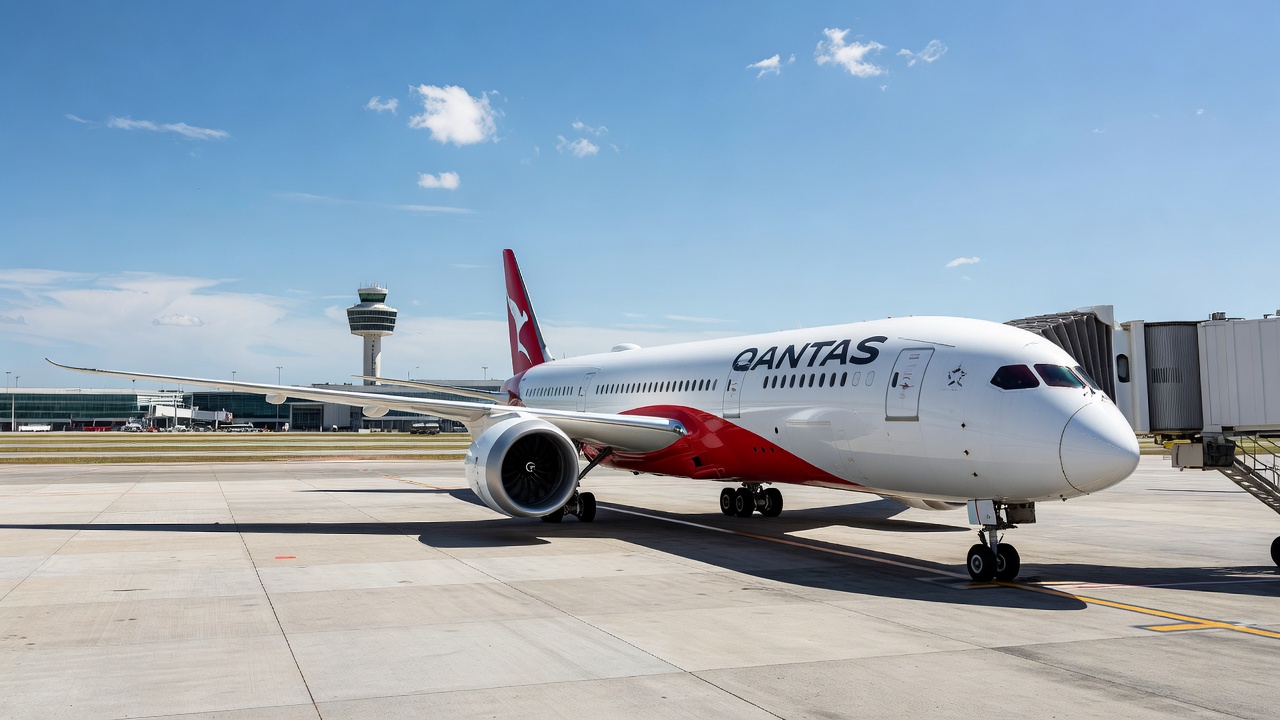
A Qantas flight from Rome to Perth was cancelled this weekend after passengers on the preceding Perth to Rome service reported being bitten by bedbugs according to the Sydney Morning Herald. The Boeing 787 Dreamliner was grounded for a deep clean that involved fumigation which takes the aircraft out of service the carrier explained in statements to news outlets. Affected travellers received hotel accommodation and were rebooked on alternative flights within two days of their scheduled departure the Sydney Morning Herald reported.
Passengers aboard QF5 from Perth to Rome on October 9 complained of bites during the long-haul journey with crew distributing antihistamines on medical advice until supplies were exhausted a Qantas spokesperson confirmed. The issue was confined to a small number of economy seats according to the airline which acted swiftly once the complaints surfaced on the inbound leg. Qantas emphasised that its response allowed engineers and maintenance teams to address the problem thoroughly before returning the plane to operations.
In a statement the airline apologised to customers for the inconvenience caused by the cancellation of the Rome to Perth service. Qantas added that its aircraft cabins undergo regular cleaning to an extremely high standard and that planes are disinfected every 50 days as a precaution the Sydney Morning Herald reported. The deep clean process for bedbugs requires specialised fumigation that necessarily removes the aircraft from the schedule for a period the carrier noted.
The Perth-Rome route which Qantas extended this year with 40 additional services and nearly 10 000 extra seats has become popular with east coast travellers seeking direct access to Italy according to the Sydney Morning Herald. Such seasonal expansions increase operational demands on the fleet at a time when the airline maintains strict protocols for cabin hygiene. Industry analyses indicate that while bedbug reports on aircraft occur they remain less frequent than in hotels or residential settings according to data cited by the National Pest Management Association in pest management reviews.
Bedbug incidents have affected other airlines in recent years including multiple reports on Turkish Airlines flights in 2025 that a New York Times investigation detailed with passengers describing discoveries of the insects on seats during long-haul journeys. A cleaning expert told Fortune magazine that such outbreaks are more common on planes than many admit though airlines often respond with thorough treatments when notified. British Airways also dealt with several cases around 2017 and 2018 including one that grounded a flight after crew discovered bugs crawling on seats The Times reported at the time.
Bedbugs are small wingless parasites that feed on human blood and can hide in clothing furniture or bedding the NHS states on its website. Their bites typically cause itching but do not usually result in more serious health problems though the insects prove difficult to eliminate without targeted measures. Recommended treatments include washing items on a hot cycle or sealing them in plastic bags in a freezer for three to four days according to NHS guidance.
Less than two weeks before the Qantas incident several Southeastern train services in England were cancelled after drivers found bedbugs in their cabs the BBC reported. These events underscore how the resilient pests can disrupt various forms of transport beyond aviation when infestations take hold. Qantas has not commented on the precise source of the bugs in this case but reiterated its commitment to investigating all such reports promptly.