ع
ع


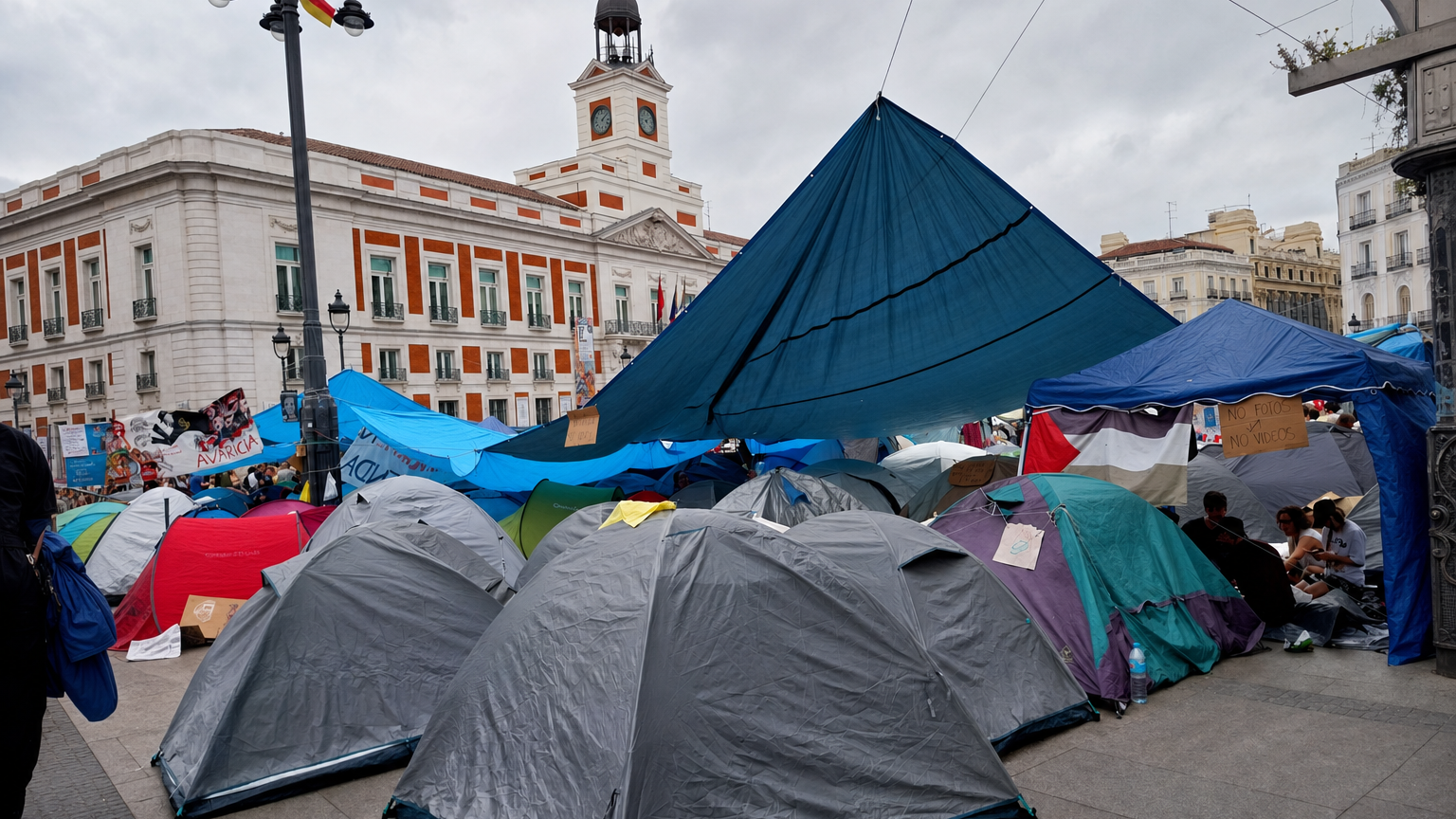
Right-wing lawmakers joined forces with a Catalan separatist party to defeat the two decree-laws on October 2 with the first rejected by 178 votes to 172 and the second by 184 votes to 166. The measures had been drawn up by Prime Minister Pedro Sánchez’s minority government in response to protests that erupted after the eviction of an 87-year-old woman from her lifelong Madrid home. Hundreds of demonstrators gathered outside parliament chanting “your profits our misery” as the results were announced according to The Guardian.
The rejected package included a ban on evictions of vulnerable tenants until 2030 tighter rules on short-term rentals and restrictions on purchases by investment funds known as vulture funds. A second decree sought to make rental contracts automatically renewable with landlords required to pay 12 months of rent to terminate without cause. Sánchez had described protecting vulnerable tenants as not a matter of ideology but of humanity in remarks reported by Reuters before the vote.
Eurostat data shows house prices in Spain increased by 12.1 percent in the second quarter of 2026 compared with the same quarter a year earlier well above the European Union average of 4.7 percent. Rents have roughly doubled over the past decade according to multiple analyses with the Youth Council of Spain placing the average monthly cost at 1176 euros an amount equivalent to almost all of the typical salary for people under 30. The Bank of Spain has estimated a shortage of at least 750000 homes that could exceed one million by 2028 while social housing represents only about 2.5 percent of total stock compared with 8 percent across the European Union.
The eviction of María del Carmen Abascal known as Maricarmen on September 23 after her rent was raised sharply by new owners from around 500 euros to more than 2600 euros sparked the initial demonstrations and an encampment that has grown to more than 1200 tents in Madrid’s Puerta del Sol square. Marches have since spread to cities including Barcelona Valencia Zaragoza and Bilbao with organizers claiming tens of thousands participated in Madrid alone though police estimates were lower. The Tenants’ Union which has coordinated much of the action stated there is an irreparable disconnect between what the people want and what the parties vote for in a release carried by AFP.
Trade unions including the Workers’ Commissions and the General Union of Workers have urged participation in ongoing rallies and are considering support for a general strike as protests are scheduled to continue through the weekend. The movement has been compared to the 2011 Indignados protests with demonstrators demanding not only immediate relief but also expropriation of empty properties and a constitutional guarantee of housing as a right rather than a commodity. Sánchez’s office has indicated the government will reflect on the situation without ruling out an early election according to reports in The Guardian.
More than three million homes are believed to stand empty across Spain a figure cited in analyses by the Human Rights Research Center even as evictions linked to rent arrears now account for three-quarters of cases up from mortgage foreclosures that dominated after the 2008 financial crisis. The combination of foreign investment overtourism and limited new construction has driven the affordability squeeze with low-income households devoting as much as 45 percent of income to housing in some urban areas according to data referenced by EUalive. Tenant groups have vowed to maintain pressure until meaningful reforms are enacted beyond the defeated decrees.