
 ع
ع


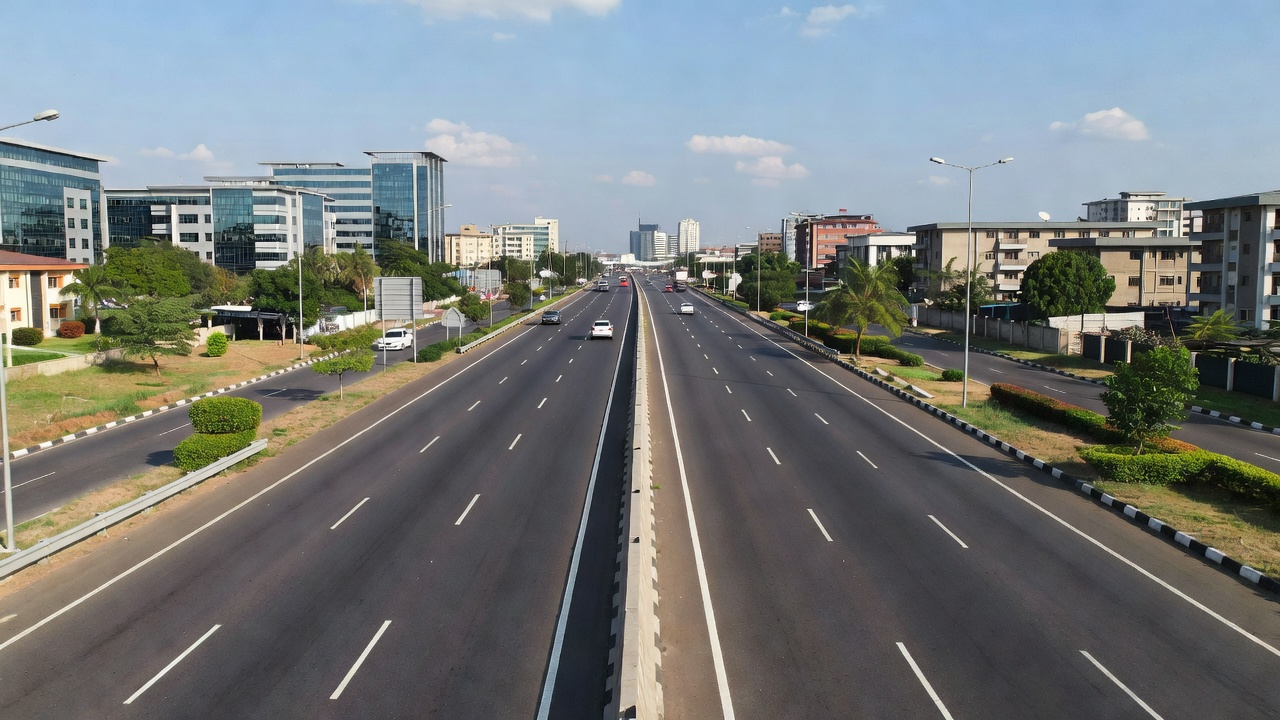
The Federal Capital Territory Police Command launched an intelligence-driven operation after receiving a complaint from Musa Aliyu that led to the arrest of an alleged ringleader and three other traffic officers. Police Commissioner Ahmed Sanusi accused the men of abandoning their official posts to establish an unauthorised roadblock on a busy Abuja road where they targeted passing motorists. Sanusi said the operation demonstrated the command’s commitment to addressing abuses promptly once reported through proper channels. The case has been referred for an internal disciplinary process that could result in the officers’ dismissal from the force.
Aliyu, who heads the Independent Corrupt Practices and Other Related Offences Commission, recounted being flagged down while driving and having an officer enter his vehicle to demand his driver’s licence. The officer then proposed taking him to court for a supposed traffic violation before indicating a cash payment of around 52,000 naira would resolve the issue without further delay. Aliyu said he offered to make an electronic transfer but the officer refused and accompanied him to a cash machine where 53,000 naira was withdrawn on Saturday. The incident prompted Aliyu to file an official report that triggered the subsequent arrests.
The four officers now face a police disciplinary hearing rather than immediate criminal charges, an approach that authorities said aligns with how most such misconduct cases are handled. It remains uncommon for these matters to proceed to full prosecution in the courts despite the scale of reported incidents nationwide. Sanusi has indicated the process will move forward without delay to reinforce accountability standards within the traffic enforcement units.
National Bureau of Statistics data places police officers as responsible for 35.7 per cent of all bribes reported paid by Nigerians in the most recent comprehensive survey. A United Nations Office on Drugs and Crime assessment found police maintained a 20 per cent contact rate with the adult population in 2023 while recording one of the largest increases in reported bribery cases between 2019 and that year. The Foundation for Investigative Journalism documented 14 separate police bribery incidents between 2023 and 2025 in which a total of 6.93 million naira was recovered from accused officers according to its monitoring.
An Afrobarometer survey from 2022 showed that 73 per cent of Nigerians viewed most or all police officials as corrupt, the highest perception rate among public institutions covered in the study. This latest case involving traffic officers arrested for allegedly seeking bribe from Nigeria’s anti-corruption boss has amplified discussion around persistent challenges in reforming law enforcement practices. Over 100,000 officers are assigned to VIP protection duties rather than general policing according to a November 2025 European Union Agency for Asylum report, contributing to manpower strains that exacerbate response gaps.
Musa Aliyu’s position at the forefront of Nigeria’s independent anti-graft efforts made the alleged targeting particularly notable to observers tracking enforcement patterns. The ICPC focuses on cases outside the remit of the Economic and Financial Crimes Commission and has pursued various public sector investigations in recent years. Aliyu’s prompt reporting of the incident to police command set in motion the chain of events that resulted in the detentions within a short timeframe.
Police Commissioner Ahmed Sanusi issued a strong public warning against officers engaging in criminal conduct while in uniform. “You have to choose: either a policeman or a thief,” Sanusi said. “You cannot be both. If you fail to choose, your actions will determine where you belong.” The commissioner added that the force would maintain zero tolerance for any continuation of such power abuses across its commands.