ع



Kenya’s Ministry of Health confirmed on October 23 that a 65-year-old woman had died from the Bundibugyo strain of Ebola while receiving supportive care in an isolation unit, marking the second death in the country’s first outbreak of the virus. Health Director General Patrick Amoth said the woman was a close family member and direct contact of the initial patient, developing symptoms on October 13 while already under quarantine. “She was a direct contact and close family member of the first case (deceased) and was under quarantine when she developed symptoms on 13th October 2026,” Amoth stated in the announcement, noting that dedicated medical teams had done everything possible to save her life before she succumbed early that evening. The ministry has coordinated with her family on a safe and dignified burial in line with established protocols while urging respect for their privacy during this period.
The first victim, a man who traveled from the Democratic Republic of Congo through Uganda before arriving in Nairobi, died on October 5 after falling ill in September and seeking treatment at multiple facilities, according to details released by Kenyan authorities. This latest fatality, the third confirmed case overall, stayed within the known contacts of that index patient, a pattern that has held across all subsequent infections. Officials have traced 135 contacts since the initial case, placing them in quarantine as part of an aggressive response that a Reuters dispatch described as preventing any spread beyond this single cluster.
With two deaths now recorded among nine confirmed cases, seven patients continue to receive treatment at two isolation facilities, the Ministry of Health reported without evidence of wider community transmission. Those still hospitalized include additional relatives of the first victim along with three health workers and a hospital cleaner who contracted the virus during care. The update underscores the effectiveness of contact tracing, which has kept the outbreak contained even as neighboring nations heighten vigilance.
A World Health Organization report on the broader epidemic places the toll in the Democratic Republic of Congo at more than 8,700 confirmed cases and over 4,200 deaths since the outbreak was declared in May, establishing it as the second-largest on record. The disease has since crossed into four countries in eastern, central and western Africa, representing the widest geographic spread of any Ebola outbreak on the continent to date. Only individuals showing symptoms can transmit the Bundibugyo virus, which causes fever, vomiting, diarrhea and in severe instances internal bleeding, though this strain lacks any approved vaccine or specific treatment.
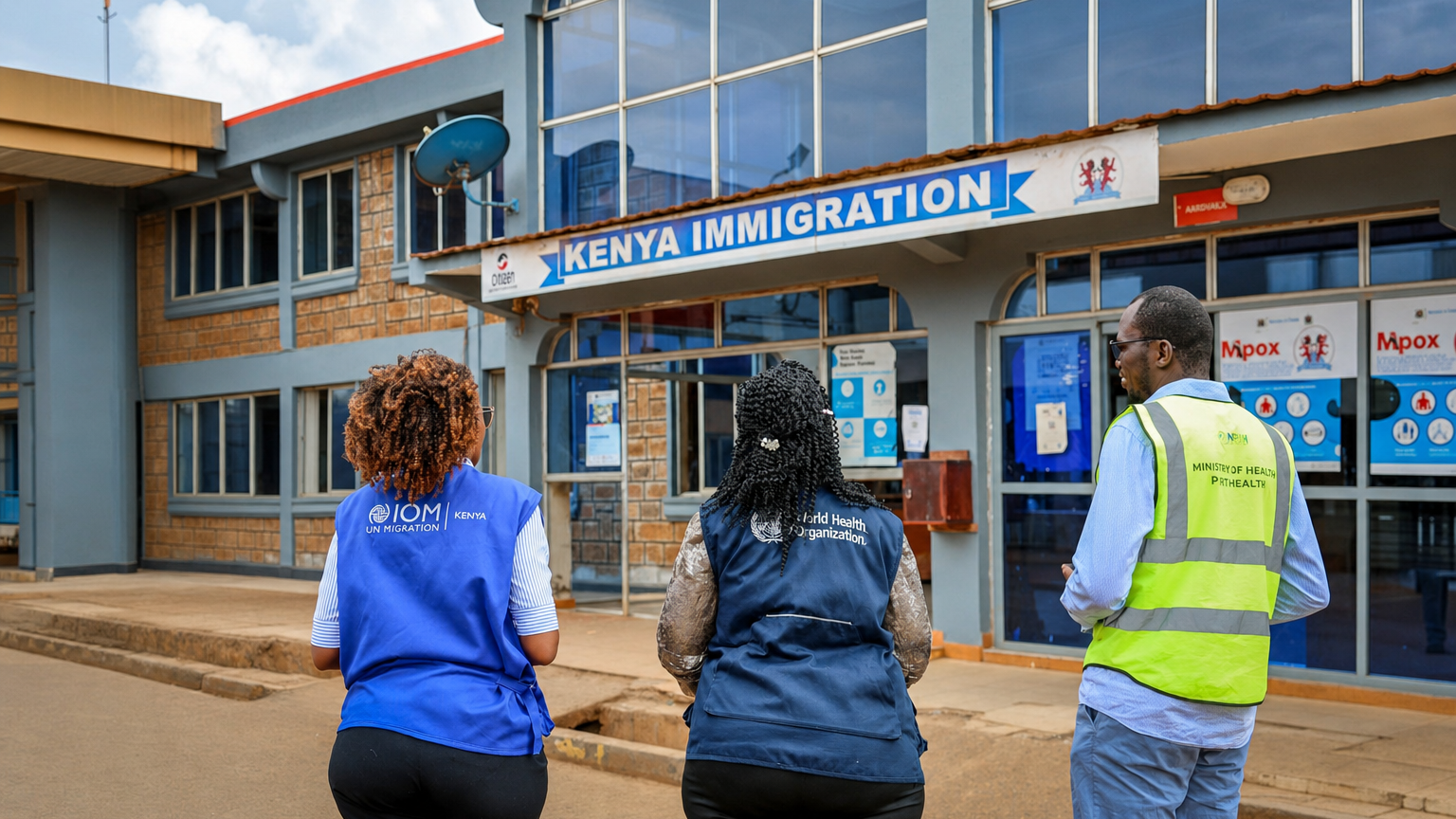
Kenyan authorities have screened more than 650,000 travelers at entry points since the DRC outbreak began while testing hundreds of suspected samples, according to health ministry tallies shared with regional partners. The government collaborates with the Africa Centres for Disease Control and Prevention along with the WHO on surveillance, community engagement and laboratory capacity to sustain these measures. Such steps have proven critical in a nation that had never before recorded a local Ebola case, even as the imported index patient highlighted vulnerabilities along cross-border routes.
The United States raised its travel advisory for Kenya in response to the health risks, advising citizens to reconsider nonessential visits, a Reuters report noted amid similar alerts issued by neighboring states including Uganda, Ethiopia and Somalia. Nigeria became the fourth African country to detect a case this month, with investigators examining how the patient contracted the virus without direct travel to the DRC epicenter. International experts continue to monitor the situation as Kenya’s response, now bolstered by global technical support, aims to fully extinguish the cluster before further international repercussions emerge.