ع
ع


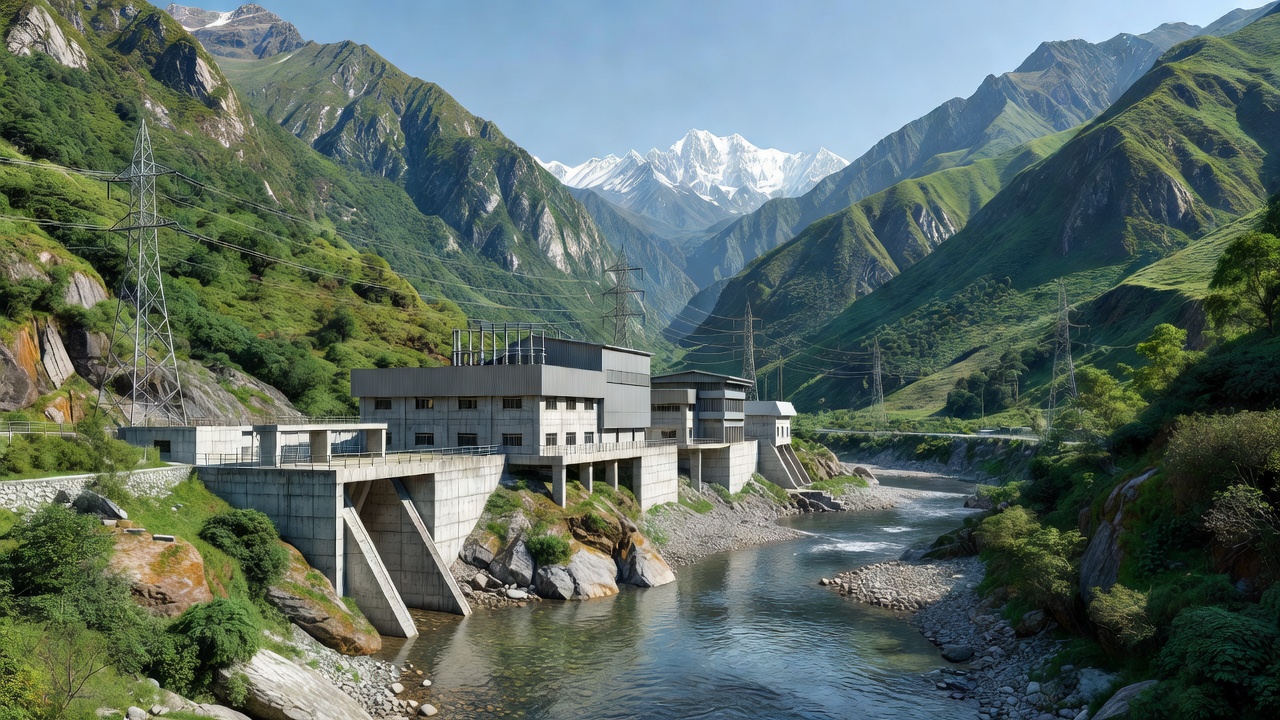
The late August floods that ravaged valleys near the Nepal-Tibet border killed more than 600 people with thousands still missing while simultaneously crippling key energy infrastructure the Nepal Electricity Authority reported. At least 14 hydroelectric projects were hit including six under construction with the destruction extending to transmission lines and related facilities according to assessments compiled by Reuters and The New York Times. The Bhotekoshi and Trishuli river systems bore the brunt of a glacial lake outburst flood or extreme rainfall event that sent debris-laden water surging through multiple sites halting operations at facilities that had only recently recovered from prior disasters.
Nepal’s installed hydropower capacity stood at approximately 4,200 megawatts by mid-2026 with the sector accounting for 98.88 percent of electricity generation in 2024 according to data from the U.S. Energy Information Administration via TheGlobalEconomy.com. The affected 431 megawatts represent more than 10 percent of that total while additional damage to projects under construction could double the lost capacity a New York Times analysis found. Operators have indicated uncertainty over whether some plants can be restored with hundreds of workers still unaccounted for at tunnel and construction sites the Independent Power Producers’ Association Nepal stated.
The country had achieved 24-hour electricity supply by 2018 after years of chronic blackouts through rapid hydropower expansion coupled with imports from India during dry seasons the Nepal Electricity Authority figures show. Exports of surplus hydroelectricity to India and Bangladesh now generate nearly $200 million annually supporting efforts to narrow trade deficits a Reuters review of customs data determined. Yet this model faces mounting threats from climate change which is warming Himalayan regions 50 percent faster than the global average and increasing the frequency of glacial lake outburst floods as documented in successive events from September 2024 and July 2025.
A World Bank report from earlier this year noted that Nepal has harnessed only about 4 percent of its technically feasible 83,000 megawatts of hydropower potential while government targets call for 28,500 megawatts by 2035 to enable substantial exports. International finance institutions have backed this hydropower-first approach viewing it as a route to reduce fuel imports and drive economic growth with average annual income around $1,600 the Stimson Center observed in a recent assessment. However the August disaster forced an immediate halt to exports and a shift to purchasing power from India for the coming months according to energy ministry spokesperson Mohan Kumar Shakya who told Reuters a post-disaster needs assessment would determine repair timelines.
Environmental and policy experts have urged greater diversification into solar and other renewables given the concentrated risks along steep river corridors where run-of-river plants predominate an AP News report on the floods highlighted. The coalition of researchers estimated $124 billion in infrastructure faces exposure to climate-driven disasters with average annual losses nearing $760 million against limited national disaster funds. Previous floods in the same basins had already exposed shortcomings in early warning systems and cumulative basin planning as a Scroll.in investigation into funding for the Upper Trishuli-1 project revealed.
Transmission and distribution networks suffered additional harm compounding the generation shortfall at a time when Nepal had only recently become a net electricity exporter earning 18.75 billion rupees in the financial year ending 2025 according to Mongabay reporting on official sources. The Center on Global Energy Policy at Columbia University noted that between 2020 and 2024 hydroelectric output nearly doubled to 11 terawatt-hours yet the latest event damaged not only operational plants but also critical supply chain elements for broader regional energy plans. Recovery efforts now include clearing sediment from stations serving tens of thousands of customers while longer-term reviews weigh resilience upgrades against ambitious expansion goals.