ع
ع


The Nepali Army extracted mechanical foreman Sanjay Sah and mechanical supervisor Kabir Maharjan from the Upper Trishuli 3A Hydropower Station on September 4, nine days after the August 26 disaster buried the site under ice, rock and mud. Army spokesman Brigadier General Raja Ram Basnet confirmed the pair were brought out from a depth of 170 metres after rescuers heard voices and began supplying air through a drilled hole. Videos released by authorities showed one survivor carried on a rescuer’s back with his face caked in mud while the other was lifted onto a stretcher amid cheers from bystanders, matching footage highlighted in a BBC News video titled “Watch: Moment workers are rescued from Nepal tunnel”.
Sah stayed behind to assist colleagues when he realised floods were imminent, according to an account he gave to army medical staff that was reported by Reuters. The 30-year-old chanted mantras during his ordeal in darkness and maintained contact with three or four other workers deeper in the tunnel, the news agency added. Maharjan, aged 45, was in critical condition unable to move his hands or legs but both men were stabilised and airlifted to an army hospital in Kathmandu, the Nepal Prime Minister’s office stated.
The Independent Power Producers Association of Nepal placed the number of missing workers from the Trishuli 3A project at 557, with roughly 115 believed trapped in the main tunnel where the rescues took place. Officials estimate at least 900 people remain unaccounted for across six hydropower projects along the Trishuli River, a figure cited by Reuters and the New York Times. The broader disaster has killed more than 1,200 in Nepal with over 4,200 still missing, while Chinese authorities reported 21 deaths and 541 missing in Tibet.
Tunneling expert Arnold Dix, advising Nepal’s hydropower authorities, described the successful extraction as “layer upon layer of miracles” in comments to the BBC, citing challenges including the entrance buried under debris that took rescuers nearly six days to reach. One survivor indicated additional people could still be alive inside, prompting lawmaker Shri Ram Neupane to express renewed hope for further rescues as operations continue. The Nepali Army has been using specialised equipment to clear multiple blocked tunnels at the site.
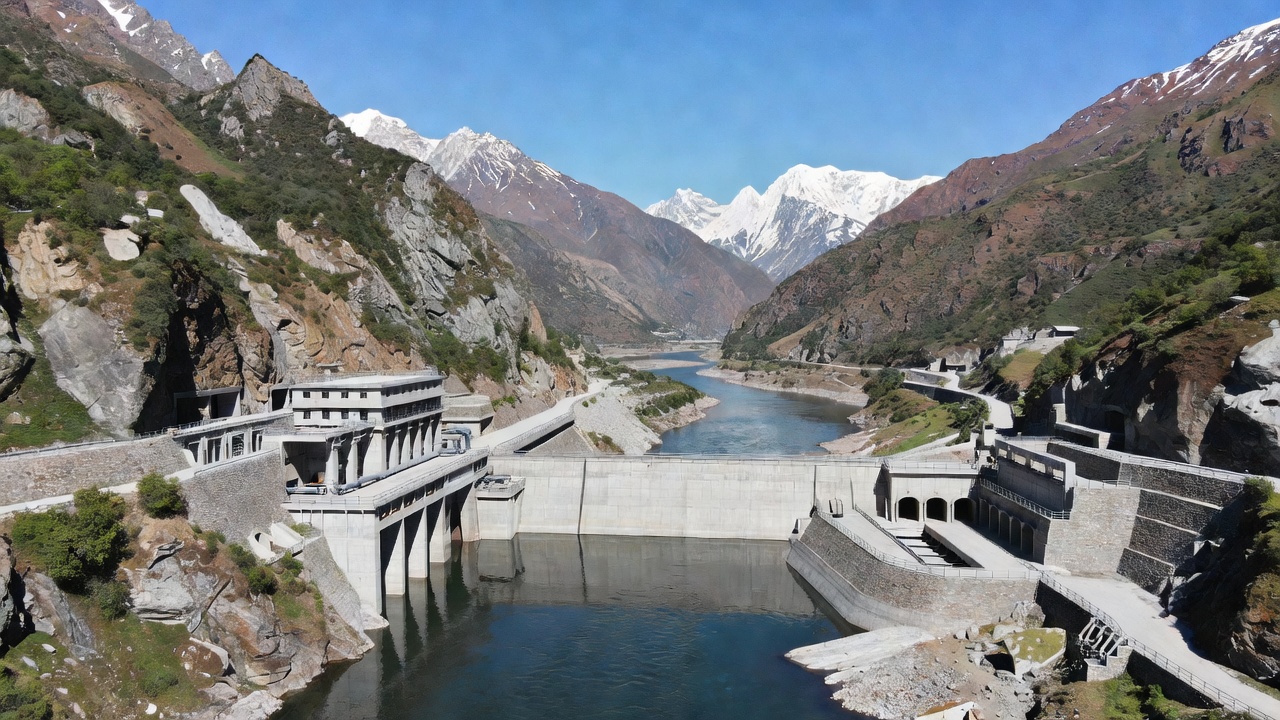
Nepal has developed a substantial hydroelectric sector harnessing Himalayan rivers, yet the August 26 event exposed vulnerabilities when a glacier collapse sent a wall of debris through the Trishuli valley, according to assessments in Al Jazeera and The Guardian. A small group escaped from another tunnel shortly after the floods struck, but the two men rescued on September 4 are the first pulled from the hydropower projects themselves. Energy Minister Biraj Bhakta Shrestha’s office identified the pair and confirmed they were the initial confirmed survivors from inside the affected tunnels.
Rescue teams have piped oxygen into cavities while excavating and remain active at other hydropower sites including Rasuwagadhi, where workers advanced 250 metres before hitting further blockages, the Nepal Electricity Authority told multiple outlets. Families of the rescued men expressed relief, with Amir Maharjan, brother of Kabir, telling AFP his “heart is lighter” upon learning of the survival. Communication Minister Bikram Timilsina stated on social media that authorities continue to hold out hope for locating additional trapped workers.