ع
ع


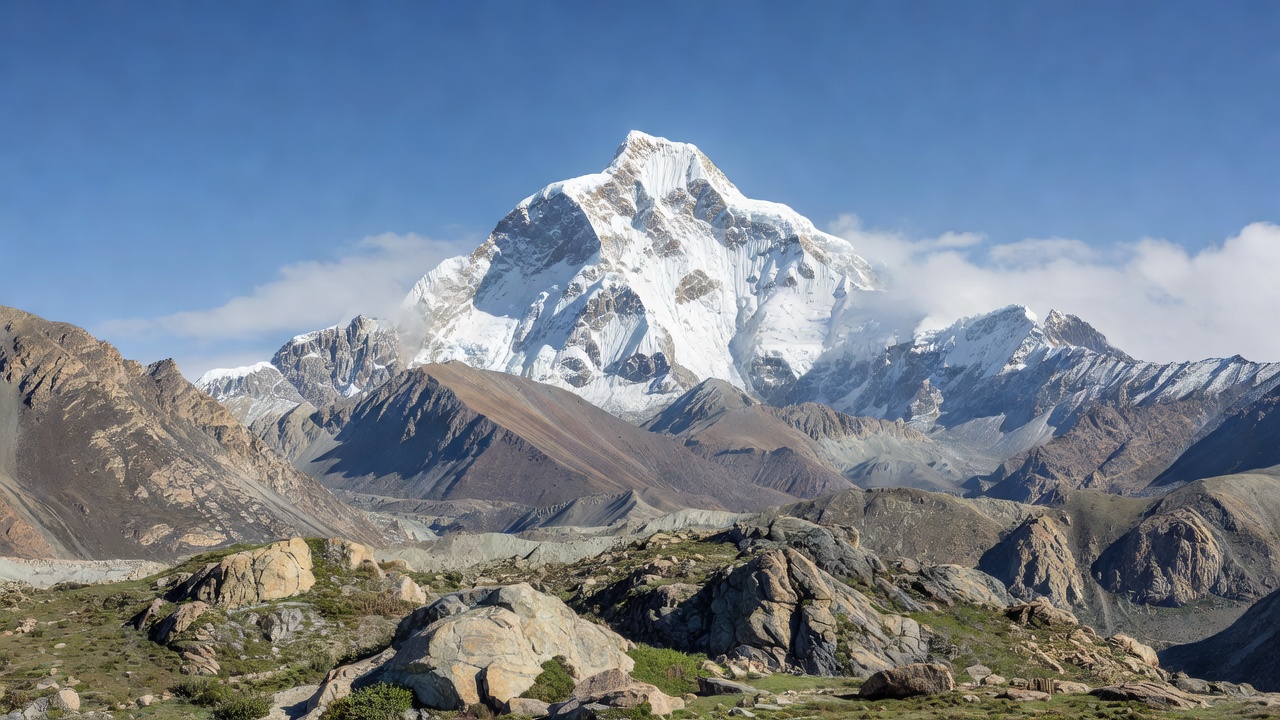
Flash floods triggered by a glacial collapse on the Nepal-Tibet border swept through the Bhote Koshi and Trishuli river corridors on August 26, leaving at least 469 people dead and 1,468 missing across both sides of the frontier according to updated tallies from Nepali police and Chinese officials. India’s Ministry of External Affairs stated that 290 Indian nationals remained uncontactable as of August 28, a figure that includes pilgrims heading to or from Mount Kailash as well as workers at the Trishuli-1 hydropower project and other tourists. Nepal authorities listed 910 people as missing within its territory while Chinese reports placed another 558 unaccounted for in Tibet, with rescuers hampered by destroyed roads, bridges and thick debris that has turned entire valleys into what one official described as a giant graveyard. The Ministry of External Affairs added that 84 Indians had been rescued so far, among them 63 hydropower workers, even as families across India continued to flood government helplines for information.
Subhrasree Chakraborty, a 43-year-old medical technologist, and Rina Banerjee, a 54-year-old private tutor, both from Kolkata, formed part of a group of around 30 West Bengal pilgrims who lost contact while waiting to enter Tibet at the Gyirong border crossing. Chakraborty’s husband Sudipto Bhattacharya told the BBC that her final message arrived at 07:57 local time on August 26 stating “We are waiting to enter China” before all communication ceased three minutes later after she received a departure stamp in her passport. Banerjee’s nephew Dwaipayan Mukherjee expressed similar uncertainty about whether the group had crossed into China or remained on the Nepal side when the wall of mud, rock and water struck. The families described both women as experienced hikers who had long anticipated the journey, with one relative noting she was about to cross into Tibet for a long-awaited pilgrimage then her messages stopped.
The disaster began with an ice-rock avalanche from a glacial collapse near the border that sent a surge of debris traveling at high speed for nearly 200 kilometres, according to an assessment by the US Geological Survey cited in multiple reports. Reuters reported that the flood slammed into the Gyirong immigration post on the pilgrimage route, sweeping away buses and people in an area that had seen increased traffic from Hindu and Buddhist devotees. Nepal’s Home Ministry confirmed the worst damage occurred in Rasuwa district, a popular trekking zone where entire settlements were wiped out and rescue teams faced severe access problems due to washed-out infrastructure. Indian spiritual leader Sadhguru Jaggi Vasudev announced that 77 pilgrims from his Isha Foundation along with three staff members were among those missing, adding to the tally of international visitors affected.
This year’s Kailash Mansarovar pilgrimage season had seen a sharp rise in participation via the Nepal route, with Chinese authorities allowing a quota of 24,000 Indian passport holders compared with 20,000 the previous year, according to a report in The Indian Express. The Hindu newspaper placed the number of pilgrims who had already completed the parikrama at nearly 24,000 since May, exceeding the 20,750 recorded in 2025 when the route reopened following a five-year pause caused by the COVID-19 pandemic and India-China border tensions. Private tour operators accounted for the vast majority of travellers, ferrying groups from states including Tamil Nadu, West Bengal and Kerala through checkpoints such as Rasuwagadhi. The Ministry of External Affairs noted that two separate pilgrim groups from Tamil Nadu totalling 86 people were among the uncontactable Indians, alongside 32 from West Bengal and 61 from other states.
Coordination efforts intensified as India’s External Affairs Minister S Jaishankar convened a high-level meeting with officials and envoys to Nepal and China, the Deccan Herald reported. The Indian embassy in Kathmandu established contact with the Trishuli-1 project authorities regarding 73 of the missing workers while arrangements were under way to repatriate approximately 200 Indians confirmed stranded but safe on the Tibetan side. Nepali police said they had recovered bodies as far as 150 kilometres downstream in Chitwan district, illustrating the force of the flood that one environmental historian characterised as an inland tsunami. A new barrier lake formed by the avalanche debris raised additional warnings of potential secondary flooding in downstream areas, according to Nepal’s disaster risk reduction authority.
The pilgrimage to Mount Kailash, regarded by Hindus as the abode of Lord Shiva, had resumed in earnest only in 2025 after earlier disruptions, with government-organised batches through Lipulekh and Nathu La routes supplemented by larger private expeditions via Nepal. Figures from the Ministry of External Affairs dashboard show that prior to the 2020-2024 hiatus, annual Indian government-facilitated pilgrims numbered between 900 and 1,350, a fraction of the private traffic now using the Himalayan crossings. Tour operators contacted by regional media described unprecedented demand this season, though visa delays had forced some groups to reschedule. As search operations continued into August 28, families of the missing pilgrims from Kolkata and elsewhere maintained daily contact with tour managers and embassies without receiving definitive updates on their loved ones’ locations.