ع
ع


Russian forces launched hundreds of drones and dozens of missiles at the Ukrainian capital in the early hours of July 2 2026 in what Reuters described as the deadliest attack on Kyiv this year. The assault caused multiple explosions across the city with emergency services recovering bodies from rubble overnight as the toll climbed. Ukrainian officials told Reuters that 30 people had been killed by the time three additional bodies were pulled from debris while the capital’s military administration reported 91 injured in the strikes. Rescue teams continued sifting through affected sites for trapped residents well into the following day.
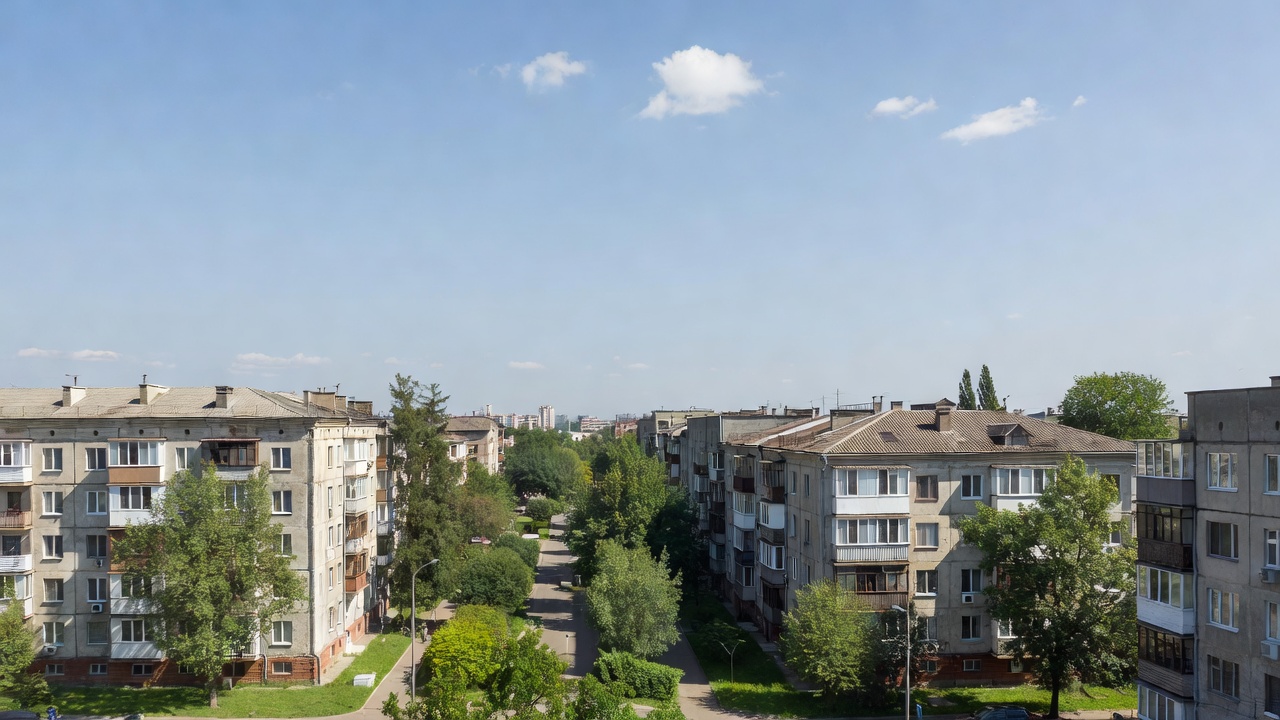
Damage from the attack extended to around 130 buildings according to Reuters with residential structures taking the brunt of the strikes in several districts. BBC journalists at the scene documented a gaping hole left in one residential building while other outlets reported the partial collapse of a nine-storey apartment block in the Darnytskyi district where people remained trapped. The Kyiv city military administration detailed that every district in the capital sustained some level of impact from the barrage or falling debris. Fires burned at multiple locations as dawn broke over the city.
President Volodymyr Zelensky linked the scale of the assault to a shortage of Patriot interceptor missiles in a statement covered by both the BBC and Ukrinform. Zelensky noted that Ukrainian forces had achieved better results against drones and cruise missiles but failed to intercept any of the 23 ballistic missiles fired due to insufficient supplies. The Ukrainian leader warned that Moscow would keep targeting residential areas as long as such defensive systems remained in allies’ stockpiles. He urged partners including the United States and European nations to accelerate deliveries of the needed interceptors.
This strike marked the second large-scale Russian attack on Kyiv within a week according to the BBC report with local authorities highlighting a pattern of intensified assaults on civilian infrastructure. Al Jazeera reported that Zelensky had anticipated the massive barrage only hours before it occurred and pledged a definite response from Ukrainian forces. The Guardian characterised the overnight operation as the worst Russian air assault on the capital in more than four years of the conflict. City mayor Vitali Klitschko called it the most severe incident during that period.
Moscow claimed the operation had targeted military energy sites and airports Reuters reported while Ukrainian accounts emphasised the heavy toll on ordinary residents and civilian structures. The ABC News account placed the injured count above 100 including children with search operations ongoing at two sites in the hardest-hit Darnytskyi district. Earlier similar attacks had already strained emergency resources across the wider Kyiv region where six additional deaths occurred in outlying areas during the same period. Officials continue to update the casualty figures as recovery work proceeds.