ع
ع


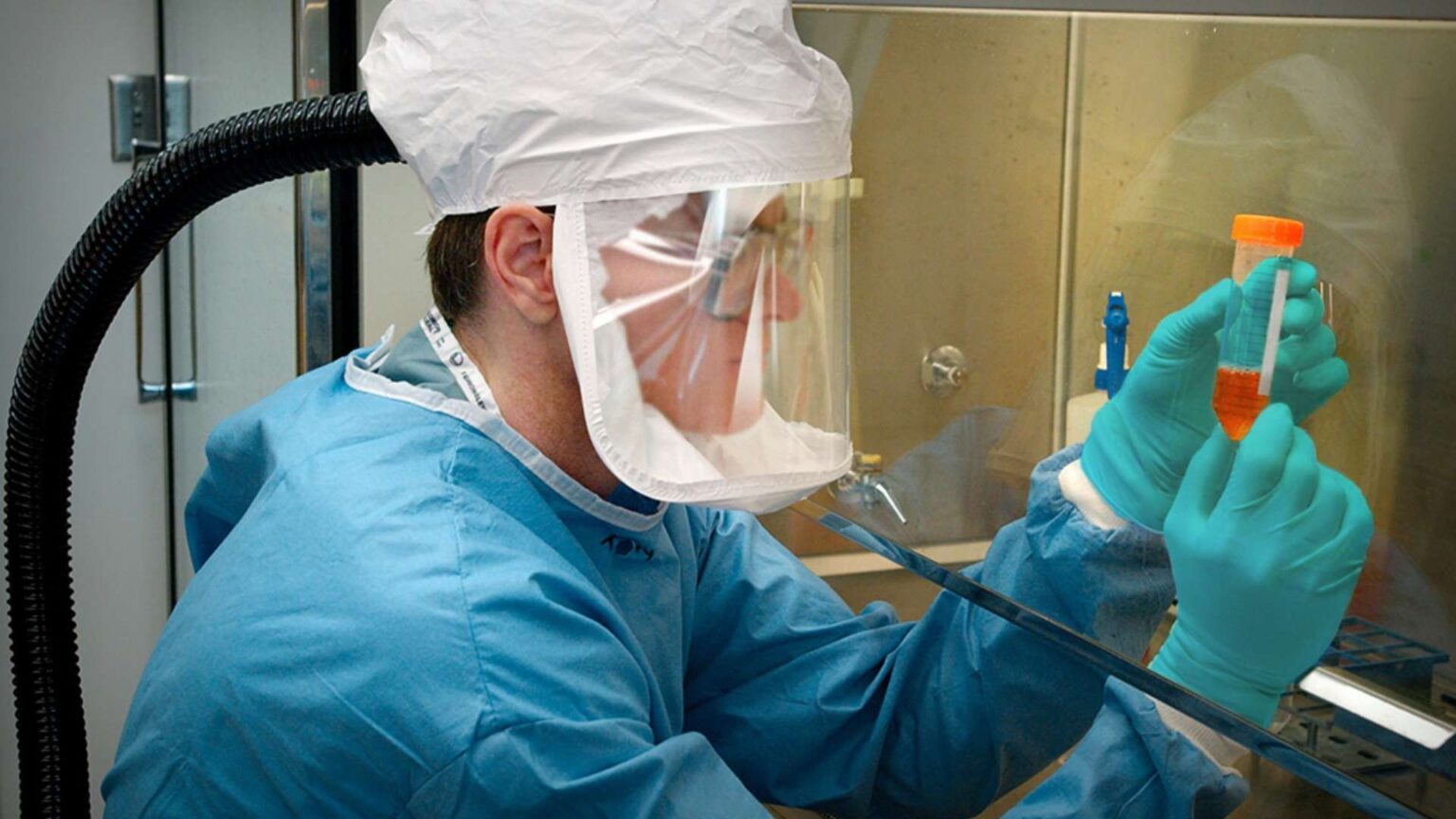
A November conference on clinical virology brings quality systems, molecular testing and laboratory competence into the same discussion.
A laboratory result is often read as a single number or a positive or negative finding. Behind it sits a sequence of decisions about the sample, the test, the equipment and the interpretation. Kuwait’s next medical laboratory conference is placing that entire sequence alongside the latest developments in clinical virology.
The eighth International Conference on Medical Laboratory Sciences is scheduled for 16–17 November 2026 at the Grand Hyatt Hotel Kuwait. Its published programme combines molecular diagnostics and emerging viral pathogens with laboratory quality, accreditation and professional practice. Dr Ibtisam Al-Jumah is listed as conference chairperson.
That combination is the substantive point. New testing capabilities expand what a laboratory can investigate, but the reliability of a result also depends on how the work is organised before and after analysis. The programme treats scientific advances and the quality of routine laboratory operations as connected subjects.
A wider discussion than equipment
The event website describes short courses dealing with ISO 15189:2022, quality assurance in molecular laboratories and performance-improvement projects. These subjects reach beyond the instrument that performs a test. They concern how a laboratory demonstrates competence and identifies where its own processes need attention.
The International Organization for Standardization describes ISO 15189:2022 as the standard covering quality and competence in medical laboratories. Its fourth edition was published in December 2022. That gives the accreditation discussion a specific reference point rather than leaving “quality” as an undefined aspiration.
For readers outside the profession, the distinction is straightforward. A test method may be scientifically established, yet an individual laboratory still has to organise the people, records and procedures that support its use. Accreditation addresses the laboratory’s work as a system; it is not simply a label attached to a particular machine.
Attendance at a conference or short course is not itself accreditation. The November programme is an educational activity, and any claim about a laboratory’s formal status would need to be established separately. That boundary matters when scientific meetings are reported to a general audience.
The sample has a history before analysis
The World Health Organization’s laboratory quality management handbook treats quality as an organisation-wide responsibility. It covers management, administration and bench work, providing a framework for understanding why a result cannot be assessed solely by looking at the final analytical step.
A laboratory’s chain of work includes receiving and identifying material, managing equipment, documenting procedures and handling information. If one part of that chain is poorly controlled, a sophisticated analytical platform does not remove the need to investigate the problem. The framework is concerned with the process that produces a result as well as the result itself.
That is why the conference’s inclusion of performance indicators has practical significance. An indicator can make a specific process visible over time, but it needs a defined meaning. A measure of how quickly results are issued does not answer the same question as a measure of whether specimens were suitable when they arrived.
The practical question extends beyond whether a laboratory is fast. It is what is being measured, at which point in the process and for what purpose. An improvement project needs to establish which part of the laboratory process changed and whether the measure used actually captures that change.
Diagnostic access also depends on choosing the right capacity
WHO’s Essential Diagnostics List provides another piece of the context. The organisation describes the list as an evidence-based reference intended to help countries make decisions about diagnostic testing and develop national policies.
The existence of such a list reflects a broader health-system issue: diagnostic capacity is something that must be planned. A health service has to decide which tests are needed, where they should be available and what supporting resources are required. Buying an additional platform is one decision within that wider process.
WHO’s work on strengthening diagnostic capacity also connects testing to national laboratory systems. This is a different scale of activity from the operation of a single laboratory, but the two levels interact through workforce capabilities, service organisation and access to appropriate tests.
Those international frameworks do not establish the performance of Kuwait’s laboratories, and no such conclusion should be inferred from them. They do explain why a local scientific programme combines new diagnostic methods with quality management and professional education. The disciplines address different parts of the same service.
Kuwait’s scientific workforce is part of the story
There is a local academic dimension alongside the conference. Kuwait University’s medical microbiology postgraduate programme includes expertise in virology, viral epidemiology and molecular virology. It illustrates the relationship between diagnostic practice and the research and training disciplines that support it.
A scientific meeting brings these groups into contact, but the subjects remain distinct. Research investigates questions, clinical laboratories provide diagnostic services, and education develops professional capability. Their connection is the movement of knowledge between the scientific investigation of a disease, the interpretation of a sample and the training of the people doing that work.
For November’s conference, the most informative material will be the specific practices discussed: how a quality problem was identified, which method was evaluated and what evidence supported a proposed change. Such detail would make the technical programme meaningful to readers who see only the final report.
The result on that report is the endpoint of a longer process. By placing virology and laboratory quality on the same agenda, Kuwait’s forthcoming meeting provides a clear opportunity to explain the work that happens before a test result reaches the clinician.