

 ع
ع


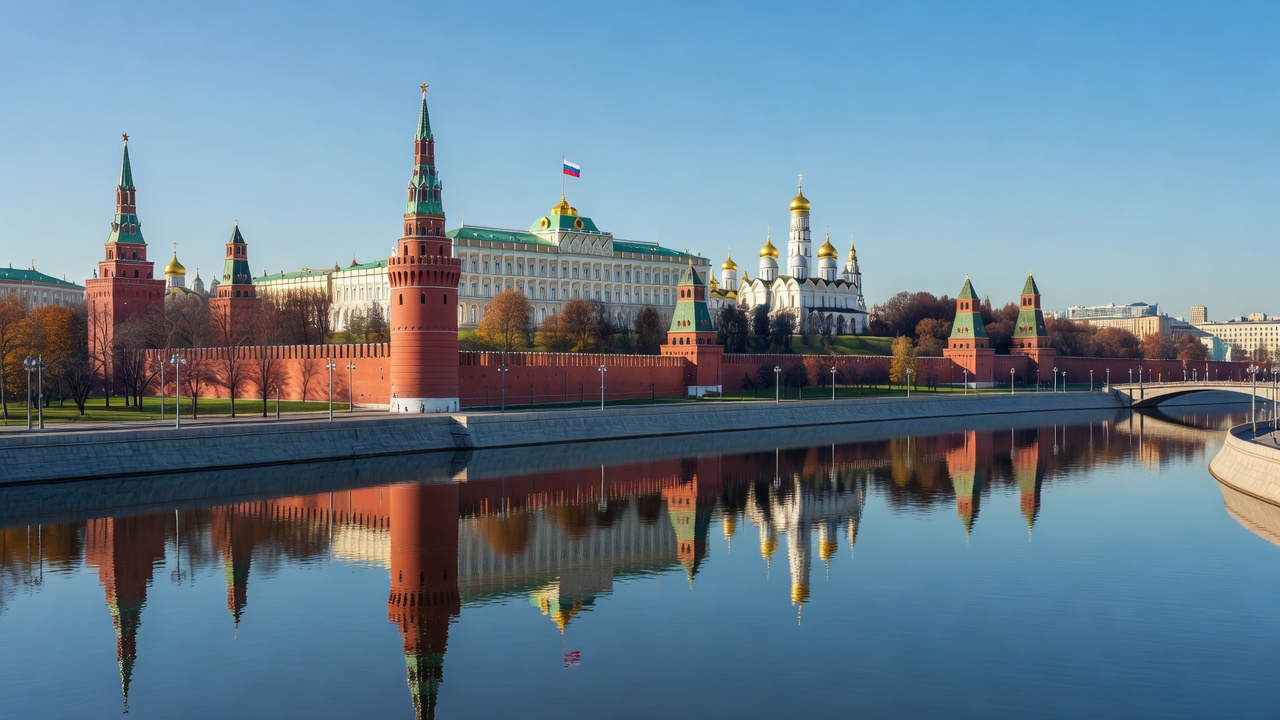
As Steve Rosenberg noted in his BBC analysis headlined “Rosenberg: Russia’s elections will have few surprises, but for the Kremlin they matter,” the upcoming State Duma vote will produce few political upsets in a system the correspondent described as managed democracy, where the Kremlin holds the reins and the president wields vast authority. The three-day ballot from September 18 to 20 will deliver another chamber filled with deputies loyal to Putin and dominated by the ruling United Russia party, according to Rosenberg’s reporting. This marks the first parliamentary election since Russia launched its full-scale invasion of Ukraine in 2022, a point Rosenberg highlighted as central to the Kremlin’s interest in the process despite the predictability. A Bloomberg News assessment similarly concluded that United Russia faces no realistic threat to its majority after 23 years in control, with the campaign kept under tight restrictions that bar genuine opposition voices.
The Kremlin intends to interpret the results as evidence that most Russians support both Putin and the military campaign, Rosenberg reported, while also advancing the careers of veterans from the front lines. Russian officials have stated that nearly 200 war veterans are standing as candidates, a figure Rosenberg cited as part of the effort to integrate them into the political structure. According to a New York Times dispatch from Moscow, the authorities have engineered the contest into an even greater snoozefest than usual, barring the sole anti-war party Yabloko from the ballot and leaving many candidates with little incentive to mount serious campaigns. The Russian Election Monitor documented that 32 Yabloko members were disqualified under provisions introduced after the invasion, alongside fines, raids and detentions targeting dozens more party figures.
Kremlin spokesman Dmitry Peskov recently underscored the distinct nature of the Russian system, stating “We have our own political system, our own political process,” in comments relayed by Rosenberg. A Jamestown Foundation review of the campaign observed that United Russia has for the first time in nearly two decades explicitly branded itself as the “Putin party,” complete with posters declaring support for the president as a basic requirement. That same analysis noted isolated criticisms of the Kremlin emerging even from regime-aligned voices, which the foundation interpreted as a possible tactic to identify pockets of elite dissatisfaction ahead of the vote without allowing organized dissent.
Rumors of a fresh wave of forced mobilization have circulated widely in recent weeks, with many Russians fearing the post-election period could bring harsher measures on the military and economic fronts, the New York Times reported from conversations in the capital. Euractiv quoted exiled Russian political scientist Nikolai Petrov as describing the exercise as a ritual the Kremlin considers essential to demonstrate to elites that Putin retains popular trust, even if the results are predefined. Petrov added that the vote functions as a barometer of public opinion on the war now dragging into its fifth year, a perspective echoed across multiple independent assessments of the tightly controlled process.
The SWP Berlin institute assessed that the upcoming Duma will struggle to provide meaningful legitimacy to Putin’s personalized rule, given the exclusion of dissenting voices and the simulation of pluralism through pro-Kremlin parties only. Voting will extend to Russian-occupied areas of Ukraine, a novelty that ZOIS Berlin flagged as part of the Kremlin’s push to affirm systemic stability amid abnormal wartime conditions. A Council on Foreign Relations analysis of prior Russian ballots, updated for the current context, emphasized that such votes allow the leadership to mobilize bureaucratic and regional elites to deliver high turnout and overwhelming support, thereby signaling unshakable control to both domestic audiences and international observers.
Sociologist Grishin, cited in Rosenberg’s piece, drew a sharp contrast with Western systems by explaining that Russian elections do not form or replace governments but instead serve as a channel to send signals to those in power without ever altering the fundamental distribution of authority. This view aligns with broader academic examinations, including those from the Journal of Democracy, which have portrayed such ballots as mechanisms for autocrats to project strength, gather information on public sentiment and demoralize potential opponents. Despite widespread acknowledgment that the outcome is foreordained, the combination of veteran promotion, opposition suppression and post-vote policy signaling keeps the process relevant to the Kremlin’s wartime strategy.