ع



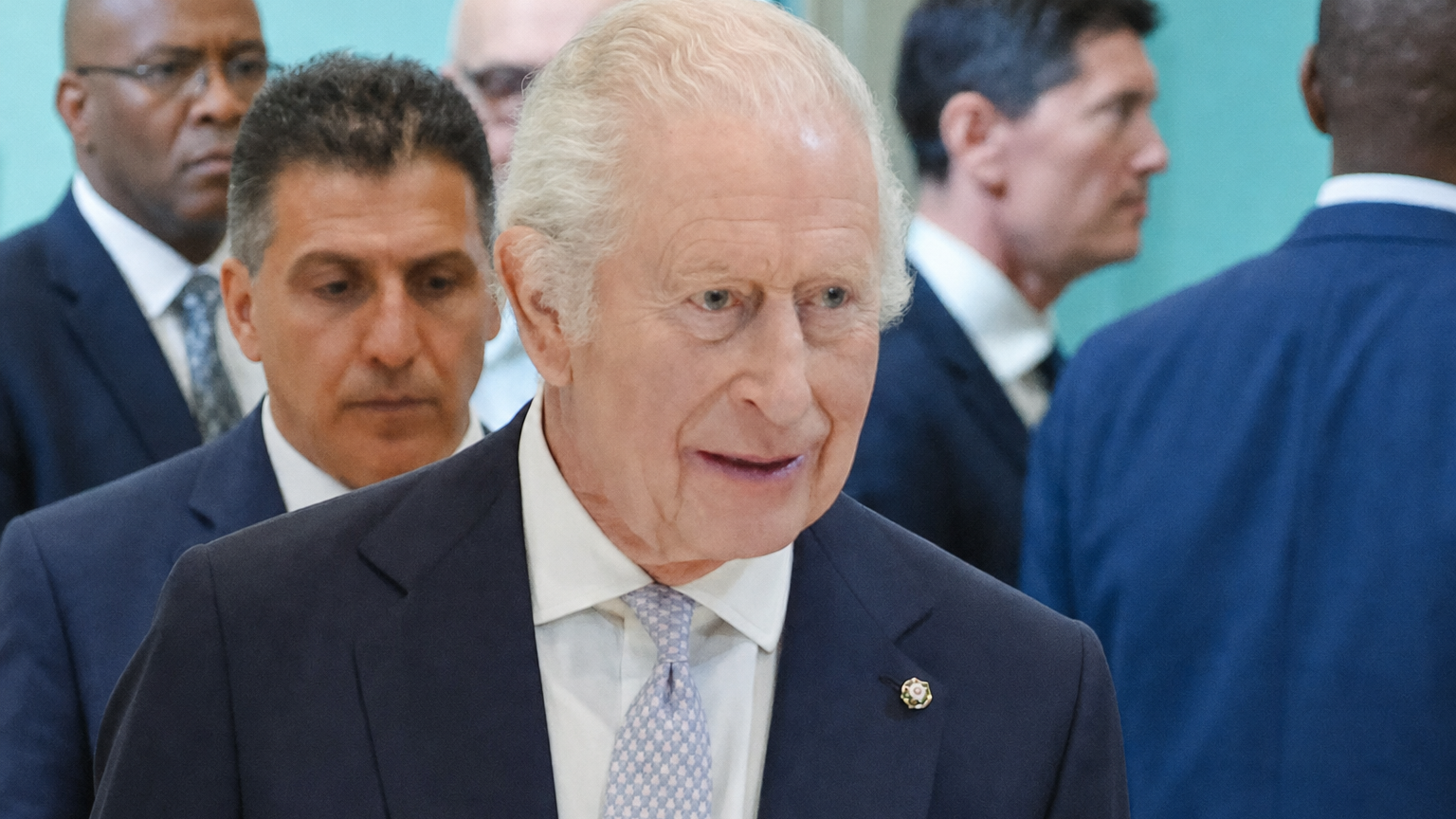
King Charles III opened his first visit to the Caribbean as monarch with a speech at a youth rally in Nassau that explicitly recognised the region’s painful history of enslavement. Speaking at Clifford Park the site of Bahamian independence from Britain in 1973 the King told the gathering that some of the best elements of local culture were born out of darkness. “It is only right that we should acknowledge the great suffering and injustices of the past in these islands and beyond even as we rejoice in the successes of the present and build new opportunities for the future” he said according to accounts from the BBC and the Guardian. He added that Commonwealth leaders would discuss the legacy of slavery at the upcoming summit in Antigua and Barbuda.
The nine-day itinerary begins with events in the Bahamas before moving to a solo state visit in Guyana and concluding with the King joined by Queen Camilla at the Commonwealth Heads of Government Meeting. Commonwealth Secretary-General Shirley Ayorkor Botchwey has confirmed that reparations will feature on the agenda at that gathering a point reiterated in briefings from multiple outlets including Al Jazeera. Buckingham Palace had signalled in advance that the programme would confront difficult aspects of the colonial past while focusing primarily on present achievements and future cooperation at the request of host nations. The tour comes four years after a 2022 visit by the then Prince and Princess of Wales that drew criticism over its imagery and limited engagement with local concerns.
Historical records show British authorities compensated slave owners in the Bahamas with more than 126000 pounds following emancipation in 1834 for roughly 10087 enslaved people according to academic analyses of the compensation ledgers. A paper by University of the Bahamas researcher Olivia Saunders updated that payout to an equivalent of about 11.6 million pounds in 2017 prices or more than 342 million pounds when calculated as an investment sum. The Bahamas represented only 1.25 percent of the total enslaved population freed across the British Caribbean yet the records list familiar local surnames among both owners and those who later carried their names. Such figures have informed contemporary debates over the long-term economic impact of the slave trade on the region.
Caribbean leaders have intensified demands for formal reparations and an apology in the months leading to the royal visit with Caricom nations drafting a multi-pronged action plan that includes potential litigation at the International Court of Justice. A September conference in Barbados hosted by Prime Minister Mia Mottley produced agreement to press the issue at both the Commonwealth summit and United Nations forums the Guardian reported. Jamaican officials filed a petition last month seeking Privy Council advice on advancing their reparations claim which is scheduled for hearing in March 2027. Guyana’s president has described an apology as the logical next step after earlier expressions of regret describing the slave trade as among the darkest chapters in human history.
A small group of around a dozen protesters gathered near the Nassau youth event carrying placards that read “Pay us what you owe us” and calling for the return of artefacts. The Bahamas National Reparations Committee issued a statement describing the King’s remarks as falling short of justice and asserting that local culture stemmed from agency and survival rather than simply darkness. Committee chair Niambi Hall Campbell-Dean had questioned the value of the visit beforehand asking what practical benefits it would bring to ordinary citizens. Rastafarian leaders organising demonstrations echoed calls for freedom redemption and repatriation that date back decades.
The British government maintains its position that it will neither apologise formally nor pay reparations for the slave trade a stance the King is understood to follow during the tour. Palace officials noted that the monarch has spoken previously of slavery as an appalling atrocity and maintains a personal commitment to greater understanding of its consequences. Senior aides described the trip as one that seeks to balance acknowledgment of history with celebration of contemporary Caribbean achievements in culture education and resilience. Coverage from outlets including LBC AFP and the Straits Times highlighted the delicate diplomatic balance the visit requires amid heightened regional expectations.