ع



Kenya’s Ministry of Health confirmed its ninth Ebola case on October 20 bringing the total to nine infections all connected to a single cluster originating with a traveler from the Democratic Republic of Congo. Director-General for Health Patrick Amoth said in a statement that the latest patient is a 24-year-old close family member of the index case who was already in quarantine when symptoms appeared and was promptly isolated for treatment. The health ministry’s tally listed one death from the initial case while the eight surviving patients are improving under supportive care with no signs of spread outside this known group according to Amoth.
The index patient a Kenyan who had resided in the Democratic Republic of Congo traveled through Uganda before arriving in Nairobi on October 3 and died at a hospital two days later the ministry reported. Subsequent cases have involved four relatives three health workers who treated the first patient and one hospital attendant all of whom developed symptoms while already quarantined Reuters reported. A Xinhua dispatch from the same day noted that 134 of 135 contacts have been traced and placed under quarantine exceeding the 85 percent global standard needed to interrupt transmission chains.
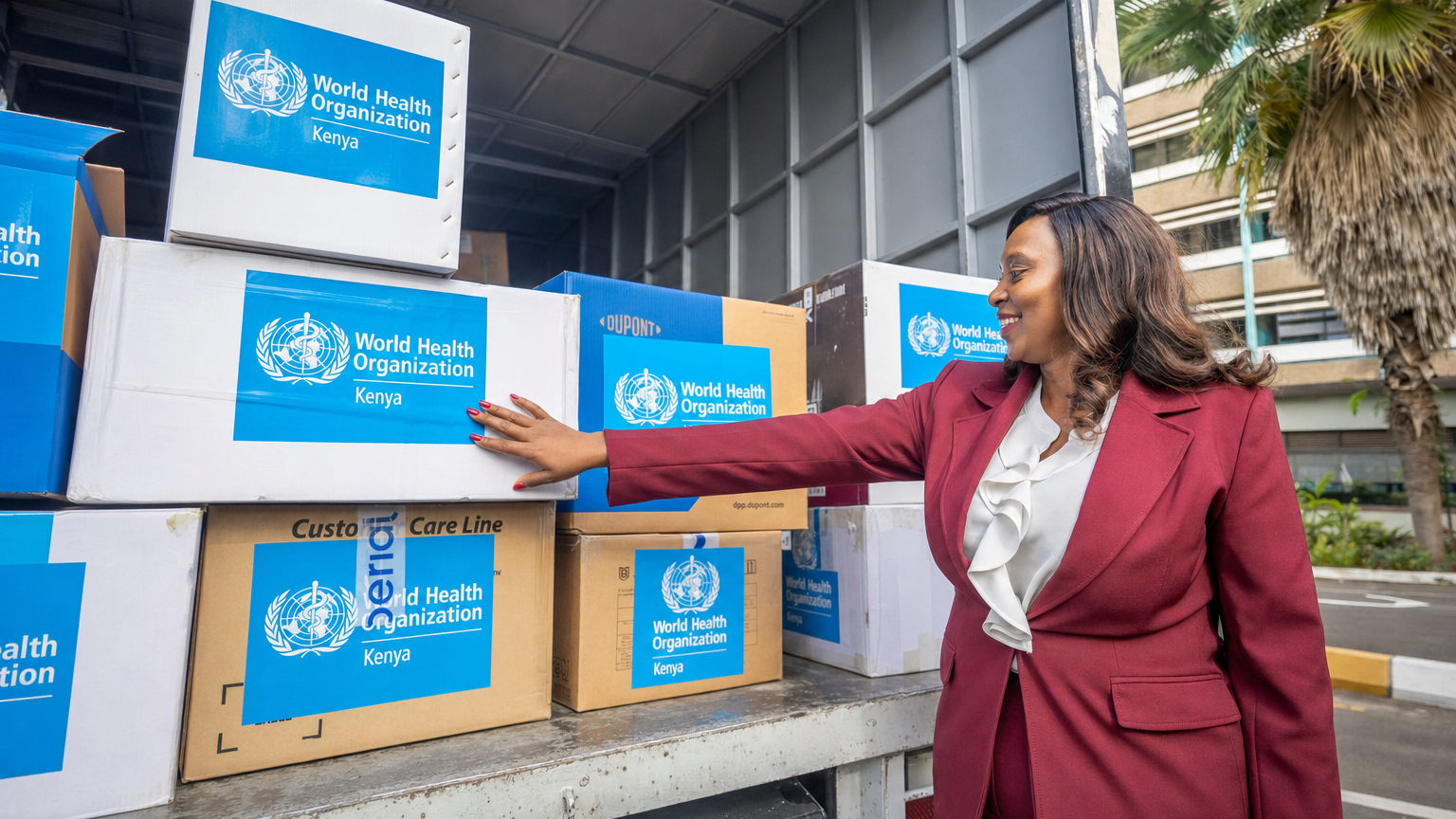
Amoth stated that patients are responding well to treatment and that zero transmission has occurred inside quarantine facilities while medical staff remain fully protected. The ministry has secured 500 doses of medicine to support care and continues to refine infection prevention measures at treatment sites. According to a World Health Organization assessment Kenya improved its Ebola preparedness score from 66 percent in May to 82 percent by July through enhanced surveillance laboratory capacity and trained response teams.
Health officials have screened more than 665000 travelers at entry points since early October and activated five laboratories including mobile units at borders with Uganda the WHO regional office for Africa reported. Nearly 5000 healthcare workers have completed specialized training on case management and infection control as part of a broader push that began before the imported case. The government has also designated isolation facilities with over 200 beds in Nairobi and other major centers to handle confirmed or suspected infections.
The cases in Kenya come as the Ebola outbreak in the Democratic Republic of Congo has grown to more than 9000 confirmed infections and over 4400 deaths since May according to European Centre for Disease Prevention and Control figures that describe it as the second-largest epidemic on record. That epidemic has spread to eight provinces including areas near regional borders raising alerts in neighboring nations. A Contagion Live analysis of the data showed the Bundibugyo strain involved has no approved vaccine though trials are underway and Kenya’s cluster remains contained without community spread.
The World Health Organization has advised against travel or trade restrictions on Kenya stressing the importance of continued vigilance through contact tracing and public awareness campaigns. Amoth has directly addressed public concerns by noting that the risk remains low because all cases trace back to the original patient with no evidence of wider transmission. A study published in BMC Research Notes that examined disease outbreaks in Kenya from 2007 to 2022 found an increasing trend in epidemic events which has informed the country’s sustained investment in preparedness infrastructure.