ع
ع


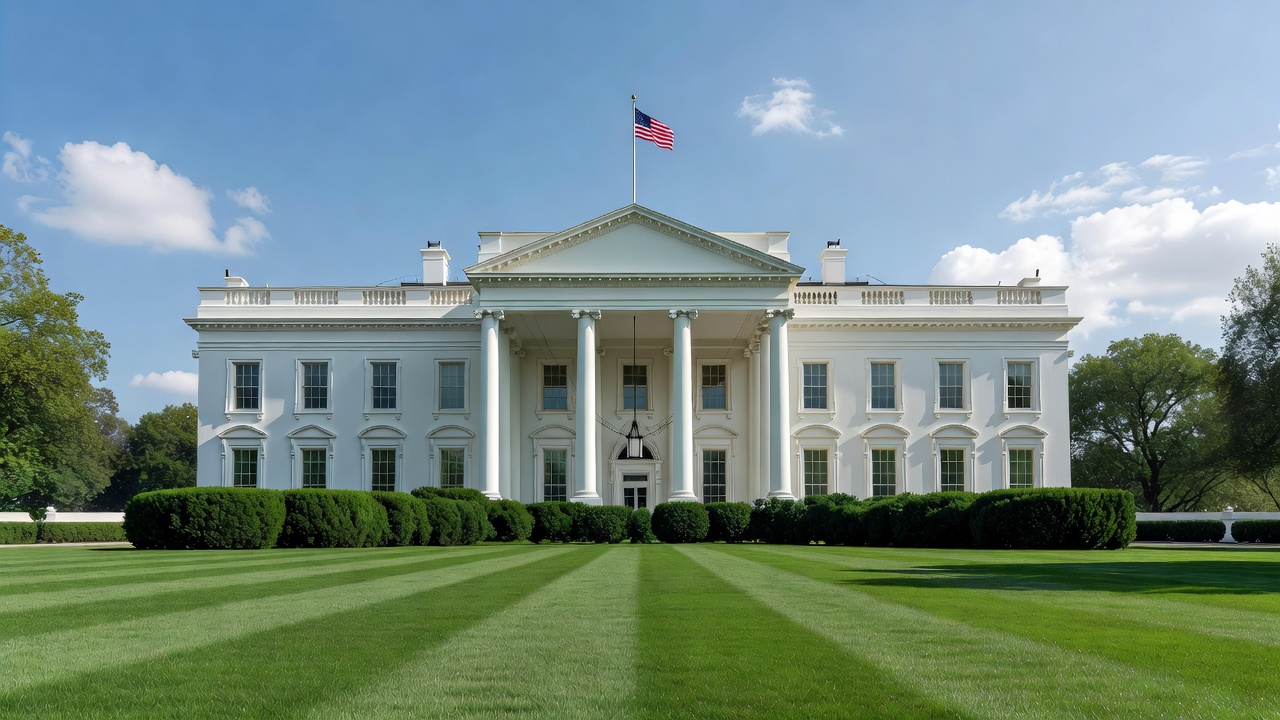
The US Justice Department argued in documents submitted to a District of Columbia court that President Donald Trump acted lawfully when he barred the three outlets from the White House, citing a series of reporting incidents that allegedly compromised national security. According to the filing, the organizations had published sensitive details about ongoing construction at the presidential residence, including work on a security bunker in the East Wing and plans for a new ballroom that included Secret Service specifications. The administration stressed that hard pass credentials to the complex constitute a privilege rather than a guaranteed right, a position it said has been upheld across multiple presidencies.
Trump announced the ban on September 18 through his Truth Social account, declaring that the outlets should not be permitted to report what he described as fiction and lies about his administration. The three organizations responded the next day by filing a joint lawsuit that labeled the exclusion an unconstitutional retaliation against disfavored coverage, seeking an immediate temporary restraining order. US District Judge Timothy J. Kelly, a Trump appointee who blocked a comparable move against a CNN reporter in 2018, scheduled the emergency hearing for September 23 to consider that request.
Letters sent to each outlet on September 22 outlined the specific stories the White House viewed as violations, a review by The New York Times of the court records found. CNN faced objections over a January 2026 article that disclosed top-secret construction details for the bunker, while MS NOW drew criticism for a June report claiming Trump had underestimated Iran’s readiness to resume conflict. Politico was cited for releasing funding documents that revealed intricate security improvements planned for the new ballroom, which the filing said endangered operational integrity.
Legal experts who spoke with Reuters concluded that the ban stands on shaky ground because federal courts have long prohibited the government from conditioning press access on the tone or viewpoint of coverage once it has opened facilities to journalists. The outlets’ complaint highlighted the absence of any formal process before the passes were revoked, arguing the step breached both First Amendment protections and due process requirements. Reuters reported that the outlets continued covering Trump at the United Nations General Assembly on September 22 by obtaining separate credentials from the international organization.
Trump told reporters at the UN event that he was surprised to see CNN present and indicated he would probably comply if the court ordered the outlets’ return, though he questioned the judge’s fairness in remarks carried by multiple outlets. The president reiterated that the action targeted what he called fake news rather than the institution of a free press, a distinction he has drawn since his first term. A Reuters analysis noted that the dispute revives patterns seen in 2018 when a similar clash over reporter Jim Acosta’s credentials ended after the administration restored access to avoid a deeper constitutional ruling.
The Justice Department filing emphasized that the president retains authority to manage access based on standards of professionalism and trustworthiness, particularly when reporting involves classified or sensitive subjects. It rejected the outlets’ characterization of the ban as viewpoint discrimination by pointing to what it described as repeated breaches involving leaks and inaccurate national security accounts. The three organizations have maintained in their legal papers that the cited stories were legitimate journalism based on available information and that the administration provided no evidence of actual falsehoods or security harm.