ع
ع


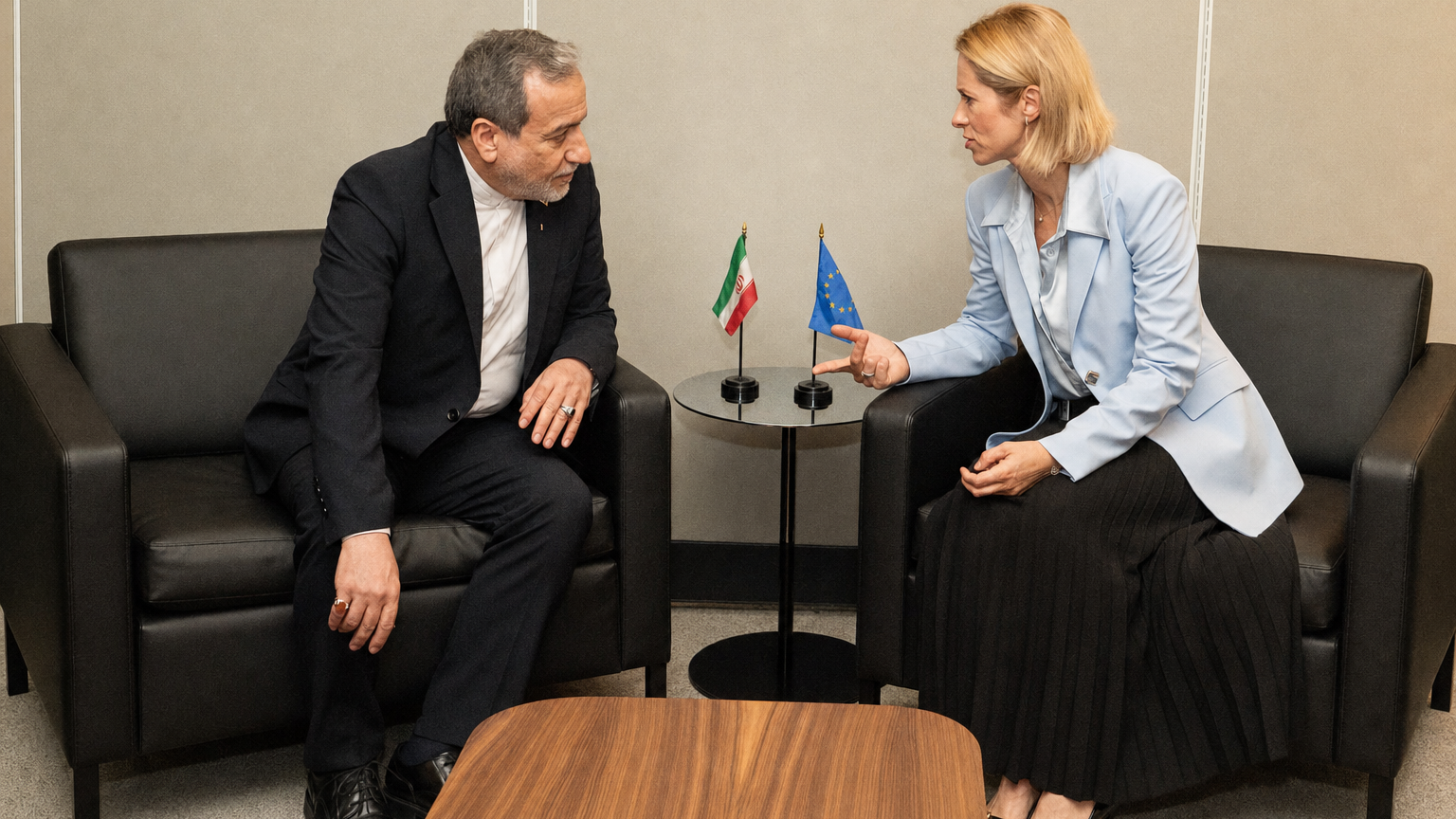
Iranian Foreign Minister Abbas Araghchi outlined the initiative to reporters at the United Nations in New York, stating that acceptance would trigger an immediate timetable ending with reopened maritime passage on the seventh day. The plan requires the release of at least 12 billion dollars in frozen Iranian assets along with an end to hostilities across the region including Lebanon, according to accounts given to the Associated Press by meeting participants. Araghchi said the terms closely track a memorandum of understanding signed in June that produced a short-lived ceasefire before collapsing in July. “If the necessary conditions are met, the strait can be reopened, a normal maritime passage restored within seven days. The choice now rests with the United States,” he told reporters.
The proposal would see all fighting suspended for the week-long period before the strait reopens on the final day, after which comprehensive nuclear negotiations would begin at once, Al Jazeera reported. A U.S. official told Reuters that positive discussions were under way through mediators, encompassing nuclear issues as well. The earlier June understanding had allowed a 60-day window for talks but unraveled after Iran resumed attacks on vessels in the waterway, multiple diplomatic sources confirmed.
Vessel transits through the strait have plunged since the conflict erupted, with Reuters ship-tracking data placing Thursday’s commodity movements at just nine compared with a pre-war daily average of around 125 large commercial ships. The U.S. Energy Information Administration has long assessed that the passage carries approximately 20 million barrels of oil and substantial liquefied natural gas volumes each day, representing roughly one-fifth of global petroleum supply. Current flows have been estimated by the International Energy Agency at 7.6 million barrels per day in August, contributing to Brent crude prices hovering near 97 dollars a barrel.
The latest diplomatic effort arrives seven months after U.S. and Israeli air strikes on Iran began on Feb. 28, triggering a wider regional confrontation that has curtailed energy exports from the Persian Gulf. Iranian President Masoud Pezeshkian indicated at the United Nations that Tehran hoped for an agreement before American congressional elections in November, according to CBS News accounts. High fuel costs have intensified pressure on the Trump administration to resolve the standoff, a dynamic noted by Trita Parsi, executive vice president of the Quincy Institute, who attended related private talks.
Parsi told outlets that Araghchi framed a rapid deal as potentially advantageous for President Donald Trump ahead of the midterms. Saudi Arabia has voiced skepticism toward the new push, one attendee informed the Associated Press on condition of anonymity. Qatar continued to relay messages between the parties at the General Assembly, where both Trump and Pezeshkian delivered pointed addresses earlier in the week.
Bypass pipelines from Saudi Arabia, the United Arab Emirates and other Gulf producers can handle only 3.5 million to 5.5 million barrels per day at most, far short of normal strait volumes, according to maritime consultancies tracking the route. The prolonged closure has forced rerouting around the Cape of Good Hope for many tankers, inflating insurance and transit costs across the industry. Restoration of full access would ease bottlenecks for major Asian importers that rely heavily on Gulf crude, energy analysts have observed in recent assessments.