ع
ع


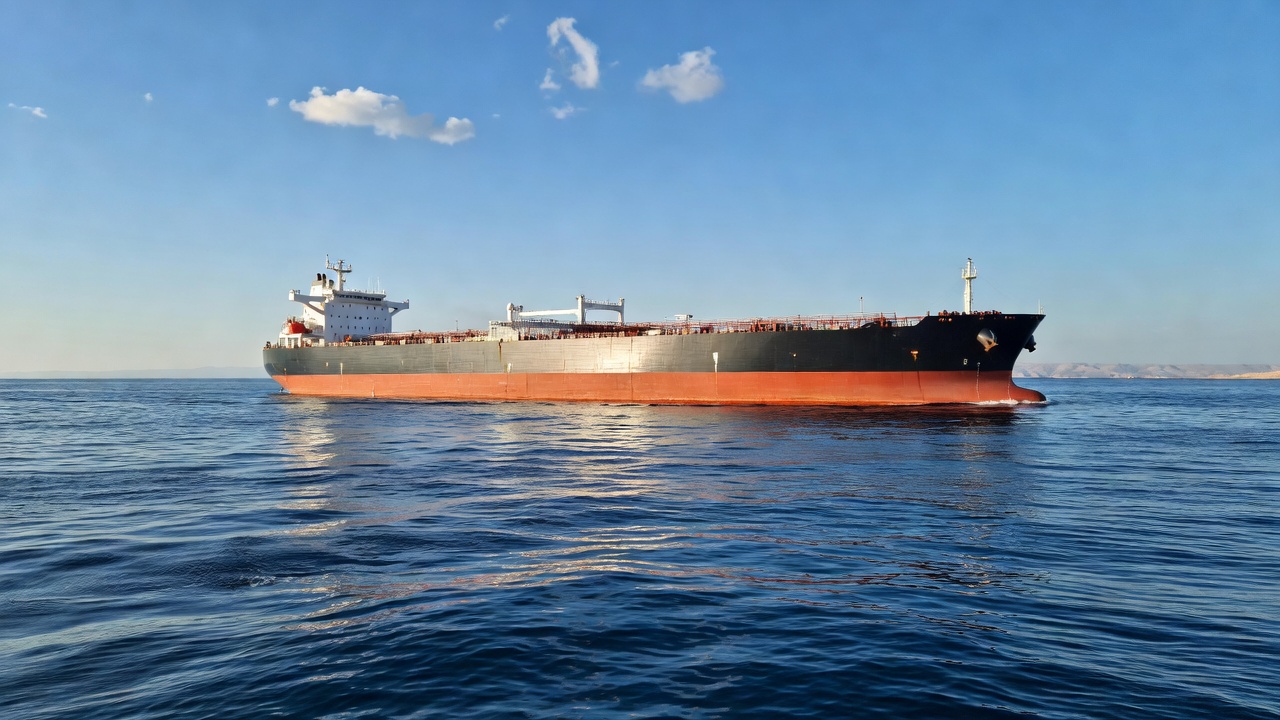
Houthi military spokesperson Yahya Saree announced that the group targeted the Saudi oil tankers Encelia and Layla with drones and missiles after the vessels violated a naval blockade imposed on Saudi shipping. Saudi authorities confirmed that the Encelia was struck resulting in a fire on its bow though all crew members escaped injury. The UK Maritime Trade Operations reported an unknown projectile hitting a Saudi-flagged tanker about 130 kilometres from Al Shuqaiq with no immediate casualties noted in initial updates. Al Jazeera detailed the Houthi statement which framed the action as enforcement of a maritime embargo declared days earlier.[[1]](https://www.aljazeera.com/news/2026/7/22/yemens-houthis-claim-attack-on-two-saudi-oil-tankers)
The attacks follow the Houthis’ announcement of a full naval blockade against Saudi vessels closing the Bab al-Mandab Strait to traffic linked to the kingdom. Reuters reported that five tankers changed course in the Red Sea to avoid the area with three loaded with Saudi oil for Asia making complete U-turns in the preceding days. This development compounds existing disruptions in the Strait of Hormuz where Iranian forces claimed to have halted three oil tankers one of which caught fire according to state media accounts. The combined pressure on these chokepoints has already forced approximately ten ships to retreat in recent days according to shipping monitors.[[2]](https://www.reuters.com/world/middle-east/us-launches-iran-strikes-ninth-day-another-american-confirmed-killed-2026-07-20/)
US Central Command stated that American forces carried out their twelfth consecutive night of strikes on Iranian targets including maritime facilities missile and drone storage coastal surveillance sites and air defence systems at the direction of President Donald Trump. Iranian state media reported that two people were killed in the strikes near the southern border with Iraq. The Islamic Revolutionary Guard Corps asserted that it had closed the Strait of Hormuz in response stopping the tankers and warning of further measures if threats against Iranian infrastructure continued. Trump had previously vowed to destroy an Iranian bridge or power plant each time Iran targeted shipping in the strait according to statements relayed by multiple outlets.[[3]](https://www.yahoo.com/news/politics/articles/more-red-sea-shipments-disrupted-rubio-says-iran-not-serious-about-talks-135928077.html)
The International Energy Agency has downgraded its forecast for global oil demand in 2026 by 1.1 million barrels per day citing prolonged regional conflict as a primary driver behind reduced consumption projections. Analysts warned that simultaneous effective closures of the Bab al-Mandab and Hormuz straits would trigger higher energy prices elevated freight rates and broader supply chain delays with previous Red Sea disruptions already adding more than ten days to many voyages. Northeastern University experts noted that the loss of redundancy in these routes would amplify inflation and manufacturing setbacks across dependent economies.[[4]](https://www.cnn.com/2026/07/22/business/bab-el-mandeb-houthis-saudi-arabia-oil)
The Institute for the Study of War tracked the Houthi positioning of missiles and drones near the Bab al-Mandab Strait in preparation for strikes on civilian shipping as part of the expanded Red Sea crisis. This latest phase builds on actions that resumed against various targets following the expansion of the US-Iran confrontation and stalled June peace efforts that had aimed for a 60-day halt to operations and reopening of the straits. The Houthis had cited Saudi-led actions against Yemen as justification for the embargo in statements carried by regional outlets.[[5]](https://www.facebook.com/InstitutefortheStudyofWar/posts/iran-update-special-report-july-22-2026-isw-ctp-is-tracking-initial-reports-that/1478875477618058/)
Saudi Press Agency described the strike on the Encelia as a violation of international law and called for international condemnation while confirming no injuries among the crew. The developments have drawn fresh scrutiny to commercial shipping routes that carry significant portions of global oil exports from Gulf producers. Industry groups continue to monitor rerouting decisions and insurance costs as the situation evolves according to reports from Reuters and CNN.[[6]](https://www.theguardian.com/world/live/2026/jul/23/us-iran-war-live-updates-strikes-houthis-red-sea-saudi-nuclear-deal-middle-east-crisis-latest-news)