ع
ع


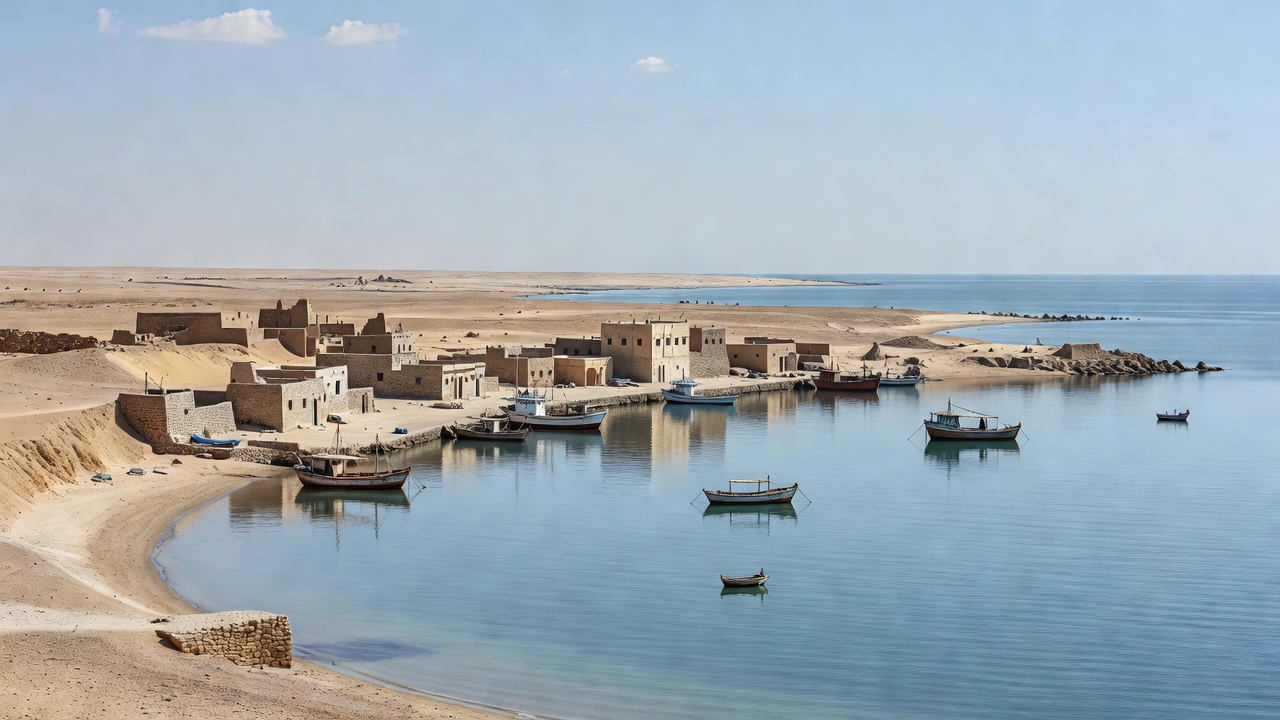
Yemen’s Houthis reportedly seize strategic Red Sea port of Mokha after government-aligned forces withdrew to Dhubab further south, according to four Yemeni military sources who spoke to Reuters as well as officials cited by Al Jazeera and The National. The Iran-backed group entered the city following days of intense fighting that began on September 3, with videos verified by The New York Times showing armed Houthi fighters in pickup trucks driving through main roads while chanting slogans. A local official in Mokha and a senior provincial official, both speaking anonymously to The New York Times, described the rapid offensive that routed pro-government units and handed the Houthis one of their most significant territorial gains along the coast in years.
The advance included control of several districts and positions such as Hays, Al-Khawkhah, the Khalid bin Al-Walid camp and the Mokha junction before reaching the port itself, South24 Center reported citing field sources. Government forces including the National Resistance, Giants Brigades and units from Taiz suffered deaths and injuries during the clashes, according to a statement from Presidential Leadership Council Vice Chairman Tareq Saleh carried by The National. Saleh announced the formation of an alternative command center in a safer location to regroup in coordination with the Arab coalition, as Houthi forces continued pushing toward areas overlooking the Bab al-Mandab strait.
Control of Mokha places the Houthis in a stronger position to monitor shipping through the Bab al-Mandab strait, which Al Jazeera correspondent Yousef Mawry noted accounts for 10 to 12 percent of global trade and links the Red Sea to the Gulf of Aden. Defence analyst Wolfgang Pusztai told Al Jazeera that the capture represents a major blow to government supply lines to Taiz while enabling the group to exert pressure across nearly all of Yemen’s Red Sea coastline. Reuters sources indicated the development further threatens global energy flows at a time when the strait has grown in importance amid disruptions in other chokepoints such as the Strait of Hormuz.
The offensive forms part of a broader escalation that saw the Houthis launch dozens of drones and missiles at southern Saudi Arabia on Tuesday, injuring 73 civilians and sparking fires at oil facilities that temporarily halted operations, according to Saudi authorities cited by the BBC. The attacks came in retaliation for Saudi air strikes on Houthi areas in northwestern Yemen, including one on a prison in Jawf province that local officials said killed at least 23 civilians, the BBC reported. Conflict monitor Acled estimated 276 fatalities from the fighting in the five days leading up to the seizure, The Guardian noted, as the informal ceasefire that had held since 2022 continued to unravel following the Houthis’ announcement of a maritime embargo against Saudi Arabia in July.
The civil war between the Houthis, who seized Sanaa in 2014, and the Saudi-backed government has devastated Yemen since the Saudi-led coalition intervened the following year, multiple outlets including The New York Times and dpa international observed. Mokha, located about 150 kilometers south of the Houthi-held port of Hodeidah, had served as a key base for anti-Houthi operations along the western coast prior to the latest reversal. Yemeni government sources told Reuters that forces were repositioning equipment southward while the Houthis have not yet issued an official comment on their latest territorial claims.