

 ع
ع


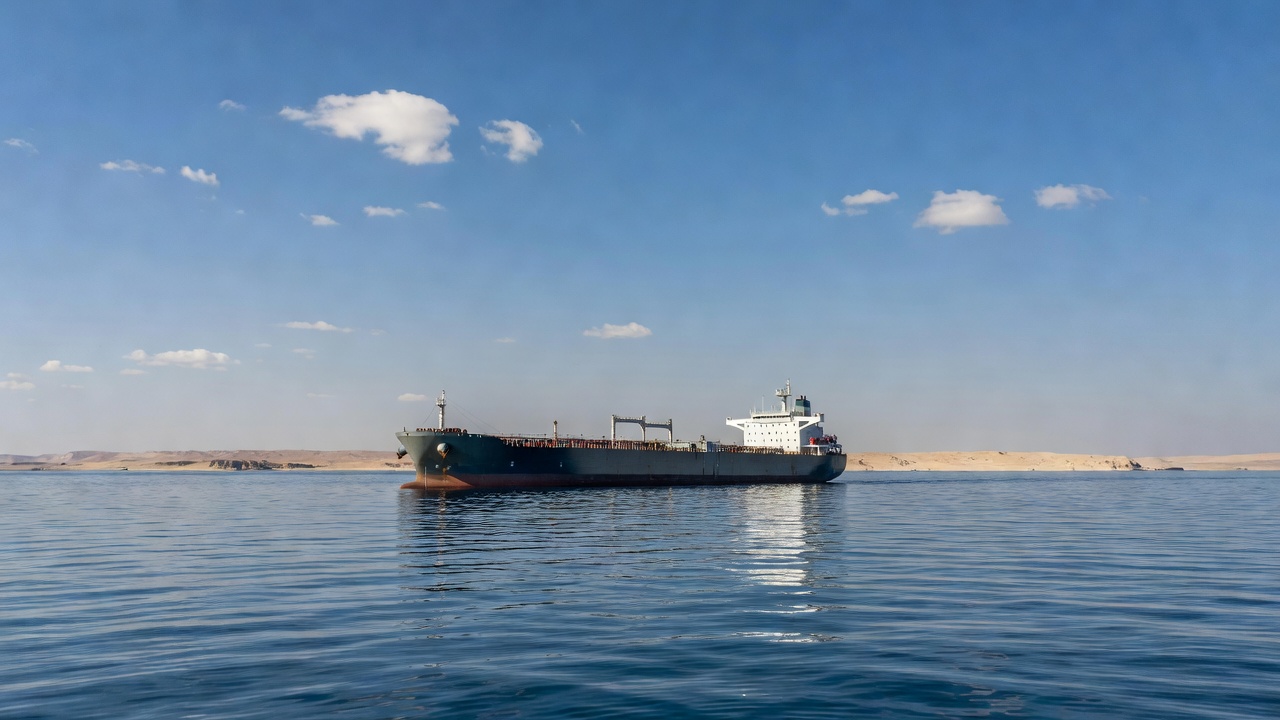
Yemen’s Houthi militants struck two Saudi oil tankers in the Red Sea this week and claimed to have turned back 10 additional vessels after warning ships against approaching Saudi ports, according to a Bloomberg report on the escalation. The actions target the Bab el-Mandeb Strait, a critical chokepoint for maritime traffic between Europe and Asia that has already seen sharply reduced vessel transits amid regional tensions. A Reuters dispatch indicated the moves open a new front in the wider US-Iran conflict, with the Houthis acting in retaliation for what they described as a Saudi siege on Yemen that included strikes on its main airport. Centcom stated it conducted strikes on Iranian military command centers, drone storage facilities, communication networks, coastal surveillance sites and maritime capabilities to reduce threats to civilian mariners and commercial vessels transiting the Strait of Hormuz.
The US Central Command’s operations marked the 13th consecutive night of strikes when announced on Thursday, a Centcom statement confirmed. Saudi Arabia has sought to distance itself from the direct Iran-US confrontation and has largely avoided Iranian attacks that struck targets in Bahrain, Kuwait and Jordan during the period. The kingdom has diverted substantial oil volumes through its East-West Pipeline to the Red Sea terminal at Yanbu, where exports surged to 3.5 million barrels per day in June from 240,000 barrels per day a year earlier, Kpler shipping data showed. Four tankers carrying 3.8 million barrels of Saudi crude, gasoil and naphtha turned around before reaching the strait earlier in the week, Windward maritime intelligence reported.
A successful Houthi blockade of the Bab el-Mandeb Strait would compound the disruption already caused by Iranian restrictions in the Strait of Hormuz and could push crude prices above $115 to $120 per barrel while increasing freight and insurance costs, a Reuters analysis found. Ships would be forced to reroute around the Cape of Good Hope, adding between 10 and 14 days to journeys and between 4,000 and 6,000 nautical miles, according to a Habtoor Research assessment of potential closure scenarios. The Council on Foreign Relations warned that sustained interference would trigger severe supply-chain delays, drive up energy prices and further destabilize the global economy, particularly given the combined effect on roughly 25 million barrels per day of oil transport capacity. Global container shipping has already absorbed capacity losses estimated at 10 to 15 percent from ongoing Red Sea diversions.
Daily traffic through the Bab el-Mandeb Strait has remained at around 31 ships per day since January 2024, well below the pre-crisis level of 75 ships per day, maritime tracking compilations cited by Wikipedia and industry monitors indicated. Earlier Houthi campaigns from 2023 to 2025 against vessels the group linked to Israel prompted major shipping diversions, higher insurance premiums and direct US-UK military intervention, a pattern that Bloomberg noted could repeat. The Suez Canal’s annual revenue fell to $7.2 billion in the 2023-24 financial year from $9.4 billion previously, according to Egyptian authority figures referenced in multiple reports. Drewry World Container Index levels have stayed elevated, registering 141 percent above pre-crisis benchmarks into late 2024 and early 2025, World Bank data showed.
The Houthis, a Shia tribal group from northern Yemen that seized Sanaa in 2014 and much of the country including the port of Hodeidah, have entrenched their position despite a Saudi-led military campaign that began in 2015, background summaries from Reuters and the BBC detailed. A 2022 ceasefire with Saudi Arabia broke down, enabling the group to resume attacks that included missiles fired at US and British warships as well as strikes on commercial shipping. Yemen’s Red Sea coastal terrain provides extensive caves and hiding places for munitions, complicating efforts to neutralize the threat, prior assessments from security analysts observed. Iraq and Syria have achieved relative stability compared with earlier years while Gaza remains under a ceasefire that has not fully halted violence, regional overviews from the BBC noted.
A nuclear cooperation deal announced this week for Saudi Arabia has heightened concerns about a potential arms race involving Turkey and Egypt, according to diplomatic reporting in Bloomberg and Reuters. President Donald Trump vowed to address the Houthis but previous efforts produced limited results, multiple outlets reported. Analysts have cautioned that without a comprehensive US-Iran agreement the region faces a prolonged period of instability with mounting pressure on global supply chains, as outlined in Council on Foreign Relations and Reuters evaluations. The combined chokepoint disruptions could add substantially to inflationary pressures worldwide if the situation persists.