

 ع
ع


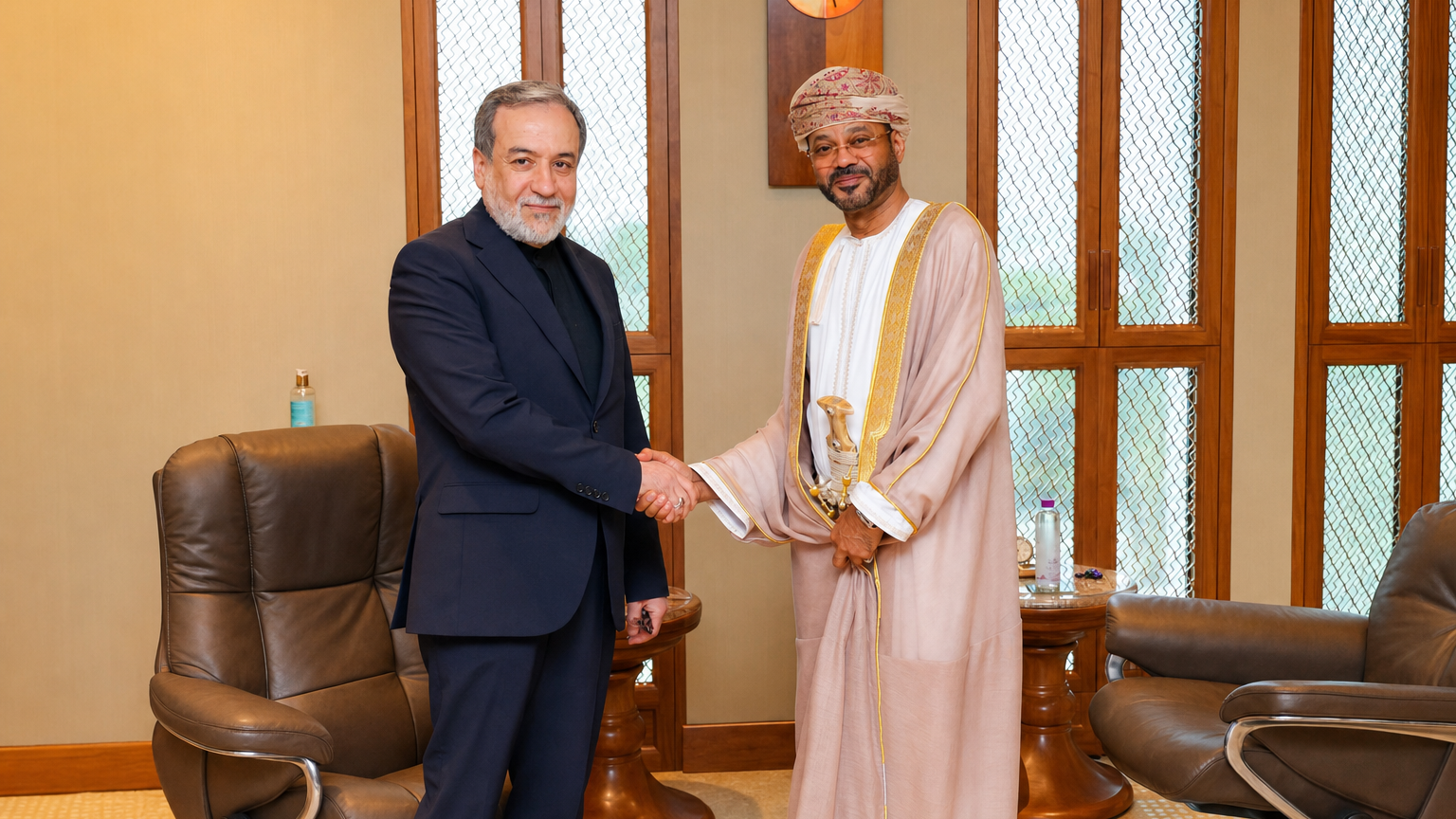
Iranian Foreign Minister Abbas Araghchi said in a Telegram post that while he noted President Donald Trump’s public rejection of the proposal, Tehran had yet to receive any formal position conveyed through mediators and would base its decision on those definitive views. Araghchi added that Iran’s conditions for reopening the strategic waterway remained unchanged and that only a negotiated solution could resolve the current deadlock. The comments came a day after Trump told reporters at the White House that he had rejected the Iranian initiative because Tehran was seeking an immediate deal as it was losing badly in the conflict.
The proposal, transmitted to the United States via Qatari intermediaries during meetings on the sidelines of the United Nations General Assembly, outlined a seven-day roadmap that would see Washington lift its naval blockade of Iranian ports, waive oil sanctions, release an estimated $12 billion in frozen Iranian assets and observe a comprehensive regional ceasefire. Araghchi had told reporters in New York on Friday that if the necessary conditions were met the strait could reopen with normal maritime passage restored within that timeframe. A Reuters assessment found the plan closely mirrored elements of a June memorandum of understanding between the two sides that later collapsed amid renewed fighting in July.
Trump, who posted an image on his Truth Social platform labeling the waterway the Trump Strait, asserted that the United States already maintained total control of the passage with massive amounts of oil moving through it. The New York Times reported that the US president was privately skeptical Iran would meet his demands to dismantle aspects of its nuclear program and had indicated to aides a possible resumption of bombing campaigns after the November midterm elections. Araghchi responded that Trump had made both positive and contradictory statements, a pattern the Iranian side has observed frequently.
The Strait of Hormuz, through which around one-fifth of the world’s oil and gas supplies normally flow according to International Energy Agency data, has remained effectively closed since the outbreak of the US-Israeli war with Iran in February. That closure has driven up global energy prices and disrupted shipping routes, compounding economic pressures on Tehran as it loses significant revenue from oil exports. Al Jazeera reported that the Iranian initiative also called for resuming nuclear talks following the initial seven-day period but insisted on no unilateral concessions from Tehran on its sovereign rights.
Iranian President Masoud Pezeshkian told state media that Tehran no longer trusted negotiations with Washington due to past experiences of talks followed by attacks and renewed sanctions, though he left the door open to a diplomatic path. A Straits Times dispatch from Cairo and New York noted that the conflict has drawn in Saudi allies with ongoing Houthi attacks prompting greater military coordination among Saudi Arabia, Turkey and Pakistan amid a worsening humanitarian situation in Yemen. Saudi officials have separately backed de-escalation and freedom of navigation in the strait, the Red Sea and Bab Al-Mandab according to Gulf News reports.
Araghchi reiterated in remarks to Iran’s IRNA news agency that the country had submitted concrete terms during the New York meetings and stressed that reopening the waterway would proceed only if those were fulfilled in full. The foreign minister had earlier met with US envoy Steve Witkoff as part of indirect talks facilitated by Qatar, the first such engagement since the June agreement unraveled. Multiple outlets including TRT World and The Irish Times confirmed that mediators had described the earlier discussions as positive and constructive even as the public rejection introduced fresh uncertainty into the process.