ع
ع


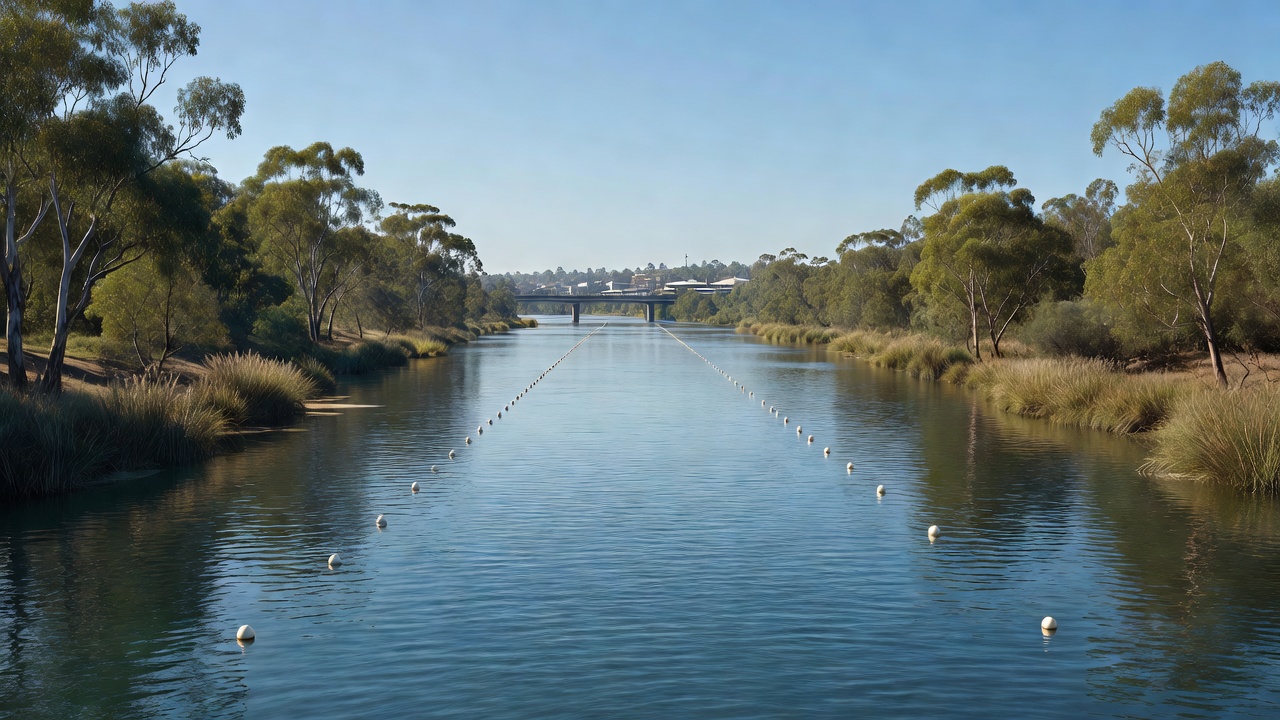
The Fitzroy River in Rockhampton received formal clearance on Thursday to host the rowing, para rowing, canoe sprint and para canoe competitions at the 2032 Brisbane Olympics after an independent report deemed it capable of delivering safe and fair conditions. Queensland Premier David Crisafulli informed state parliament that the assessment had passed “with flying colours” and described the decision as signed, sealed and delivered. Organisers stated that the evaluation involved extensive on-water investigations and modelling to examine performance under different weather patterns, water levels and flood risks both during the Games and in the lead-up period, according to a Reuters report.[[1]](https://www.reuters.com/sports/crocodile-ridden-rockhampton-river-venue-cleared-host-brisbane-2032-rowing-2026-09-17/)
The river, which a Guardian article noted is a crocodile habitat, initially sparked debate when selected in March 2025 as part of efforts to involve regional Queensland in the Games. A crocodile expert cited by ABC News in 2025 maintained that competitors faced minimal risk in the deep water sections used for racing, adding that crocodiles are most active at night and along the edges while rowers would operate during daylight hours over deeper stretches. John Lever, who operates a crocodile farm near Rockhampton, told the broadcaster that athletes were more likely to be hit by a bus on the way to the boat ramp than taken by a crocodile, a view echoed in multiple reports at the time of the initial announcement.
International Olympic Committee officials had expressed reservations about athlete safety during a June 2026 meeting in Lausanne, with one reportedly asking whether the crocodiles would be behind a fence and another warning that a bite incident would end the Games, according to accounts published by Nine.com.au and news.com.au.[[2]](https://www.nine.com.au/australia-news/qld/i-d-row-the-fitzroy-croc-concerns-for-olympic-rowing-dismissed-20260626-p60aex.html) Those discussions followed the government’s insistence on the Rockhampton site despite its strong currents and history of flooding. A petition signed by nearly 6,000 people, including Olympians and coaches, called for the events to be relocated to a purpose-built venue at Lawnton Lakes in the Moreton Bay region north of Brisbane instead.
World Rowing President Jean-Christophe Rolland said he had demanded a robust assessment to guarantee fair and equal conditions, adding in the organisers’ statement that the Fitzroy River had been shown capable of meeting Olympic and Paralympic standards. Paddle Worldwide, the body overseeing canoe sprint, also endorsed the findings. Brisbane 2032 President Andrew Liveris welcomed the outcome and thanked the international federations for their collaboration as preparations continue with six years remaining until the Games.
The approval forms part of a strategy to spread events beyond southeast Queensland and create lasting legacy infrastructure in regional areas, a point Crisafulli reinforced by stating the government backs regional Queensland with no ifs or buts. Earlier proposals for sites such as Wyaralong Dam were set aside after reviews questioned legacy benefits and access, according to documents cited in Brisbane Times reporting. The Fitzroy River has previously served as a training venue for Australian rowing teams ahead of the Tokyo and upcoming Los Angeles Olympics.
Concerns over the venue’s suitability had persisted for more than a year, with Rowing Australia noting in a 2025 statement that while the river worked for training it had not yet been tested against the technical requirements for international competition. The independent report addressed those points by confirming no major widening or dredging would be needed for an eight-lane 2,000-metre course with start and finish areas. Local rowing clubs in Rockhampton already maintain procedures for monitoring crocodile sightings and adjusting activities accordingly, as outlined in parliamentary inquiries covered by The Guardian.