ع
ع


BBC footage showed Ecuadorian police on patrol amid a surge in drug crime originating from Colombia and Peru, where local gangs linked to Mexican cartels and the Albanian mafia smuggle cocaine. The interior ministry placed last year’s death toll above 9,200, one of the world’s highest murder rates according to the broadcaster’s report. Such operations form part of daily efforts to challenge criminal control in key trafficking zones.
ACLED data recorded more than 1,300 gang violence events between January and May 2025, a rise of over 60 percent from the same period in 2024. The figures show Ecuador on course for the highest homicide rate in Latin America for the third year running. A Crisis Group assessment published in November 2025 found the first half of 2025 marked the country’s most violent semester on record.
President Daniel Noboa declared an internal armed conflict in January 2024 and designated 22 criminal groups as terrorist organisations, the Crisis Group report noted. That step produced a 17 percent drop in the murder rate across 2024 before violence escalated again. Security forces have since prioritised raids, territorial control and the capture of high-value targets.
Groups including Los Choneros, aligned with the Sinaloa Cartel, and Los Lobos, tied to the Jalisco New Generation Cartel, battle for dominance over drug routes, extortion and illegal mining according to Insight Crime investigations. Albanian networks have expanded their role in moving cocaine through Ecuadorian ports toward European markets, a pattern documented in multiple regional analyses. These alliances have supplied weapons and cash that fuel local clashes.
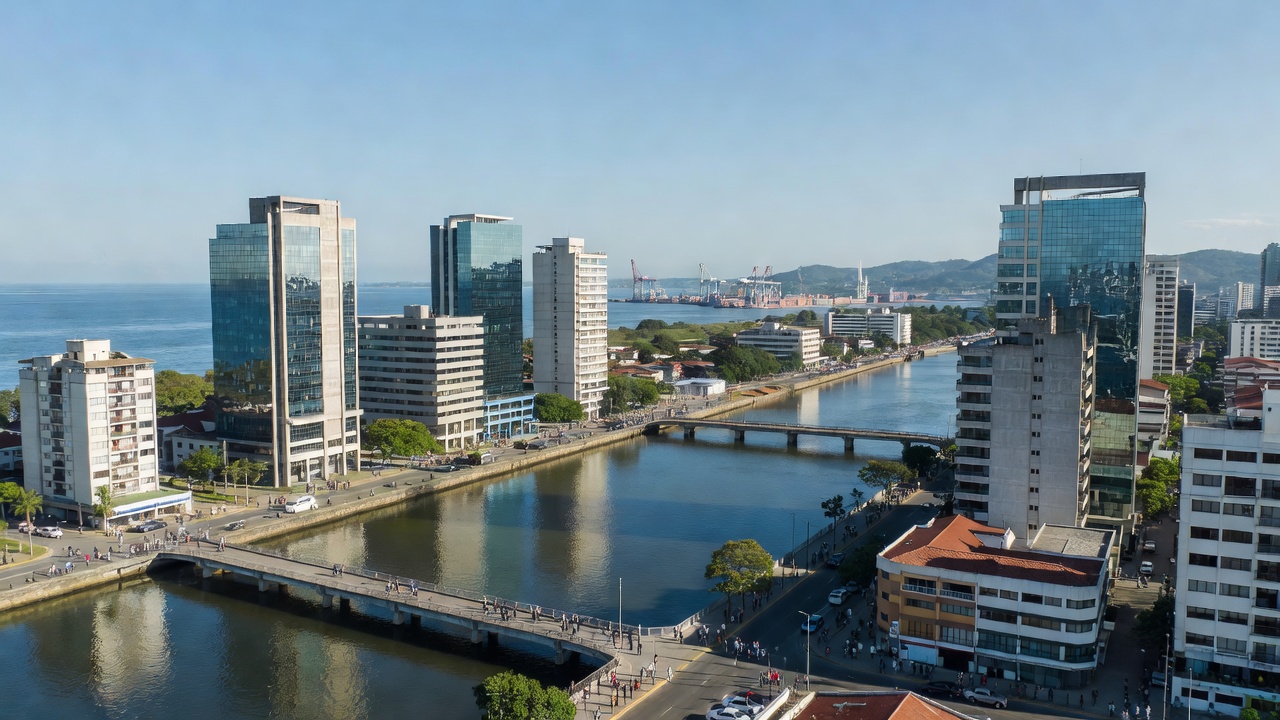
Guayaquil and the neighbouring municipality of Durán have emerged as primary flashpoints, with Guayas province accounting for 47 percent of national violent deaths between January and August 2025 per local tallies cited by the EUAA. Extortion complaints and kidnapping reports have risen sharply, often targeting civilians and businesses to enforce territorial control. Police and military units have responded with repeated operations in these coastal areas.
Human Rights Watch documented instances of arbitrary detention and excessive force during some anti-gang actions as part of broader U.S.-supported efforts against organised crime. The organisation’s review highlighted risks to civilians in affected communities. Officials maintain that sustained pressure on criminal leadership remains central to restoring public safety.