ع
ع


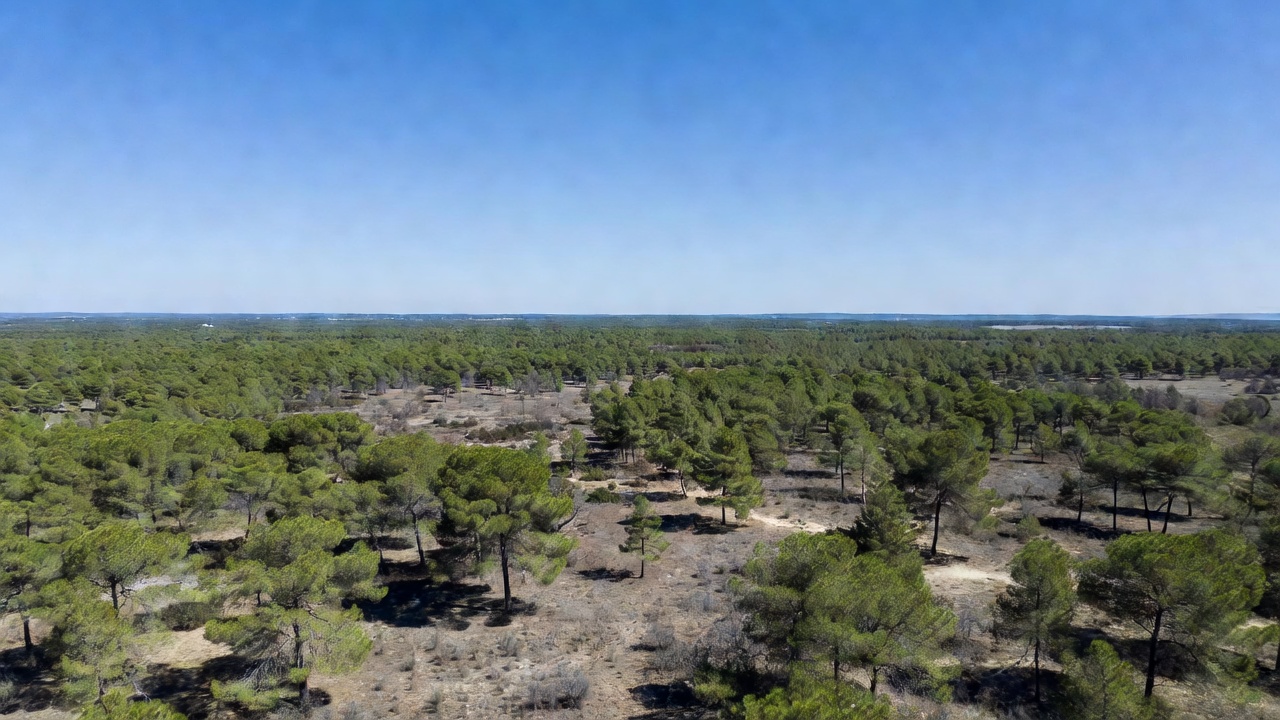
French President Emmanuel Macron described the wildfire situation in the Gironde region as completely unprecedented and the toughest since World War Two during a visit to the fire-ravaged area. The blaze has moved to within 15 kilometres of Bordeaux, leading Mayor Thomas Cazenave to say the city is bracing for all eventualities and preparing to accommodate a large number of people should further evacuations be ordered. Interior Minister Laurent Nuñez characterized the fire as having a life of its own even after some progress on Monday, with Macron warning that temperatures are set to rise again while the wind remains present so efforts must remain humble.
The mayor of Cestas south of Bordeaux, Jerome Steffe, told reporters this will be the fire of the century after 17,000 residents were evacuated from his town overnight, with the regional toll reaching 42,000 hectares burned and 240 houses destroyed according to local authorities. Steffe added that his teams have won only a small battle despite creating protective firebreaks but that we are all scared in front of this situation due to risks from flying embers or sudden wind changes. French Prime Minister Sébastien Lecornu stated that the country is going through an unprecedented fire season with 116,085 hectares burned and 13,566 fire starts recorded since January, of which nine out of 10 are human-caused with most arising from carelessness such as a cigarette butt, a barbecue or work carried out without precaution.
Lecornu noted that not all incidents are accidents as some are deliberately set with 162 arrests made since July 6 according to his public update. In Spain more than 100,000 people have been evacuated during a national emergency now in its fifth day as fires west of Madrid burned over 27,000 hectares after multiple blazes merged rapidly between July 24 and 26, satellite imagery reviewed by verification teams showed. Spanish local officials warned that the region faces the worst fires in its history, a situation that has contributed to total evacuations across both nations exceeding 300,000 in one of the continent’s largest such operations since World War Two according to AP News.
According to the European Forest Fire Information System the European Union had seen 254,388 hectares burned by July 22 with the figure climbing above 344,000 hectares by late last week exceeding the long-term average though remaining close to the prior record year. A Reuters report from the affected zones indicated July high temperatures averaged 32 degrees Celsius in Bordeaux and Avila almost 6 degrees above the monthly normal with another heatwave expected to push readings as high as 37 degrees later in the week. The Guardian reported that France requested European Union assistance while a marine heatwave has made parts of the Mediterranean Sea 5 degrees Celsius hotter than normal contributing to the dry conditions.
The Copernicus Climate Change Service has determined that Europe is the fastest-warming continent heating at twice the global average rate which is causing increased summer heatwaves greater pressure on water supplies and more intense wildfires. A Copernicus assessment of the previous season found record wildfire emissions in 2025 with Spain accounting for around half of the European total aligning with IPCC projections of expanding wildfire-prone regions across the continent. French Prime Minister Sébastien Lecornu reiterated in statements that the current season stands out due to its scale and the challenges it presents to responders.
Evacuees from towns such as Navas del Rey west of Madrid have spoken of their devastation at the loss of homes in accounts relayed to international outlets while residents in the French Gironde area described catastrophic conditions and nocturnal displacements. A Guardian weather tracker identified the combination of an unusually wet winter promoting vegetation growth followed by prolonged low rainfall and repeated heat since spring as the pattern making these fires so fierce and difficult to stop. Officials in both countries continue to coordinate resources with European partners as forecasts indicate the incoming heat will further test containment efforts in the days ahead.