ع
ع


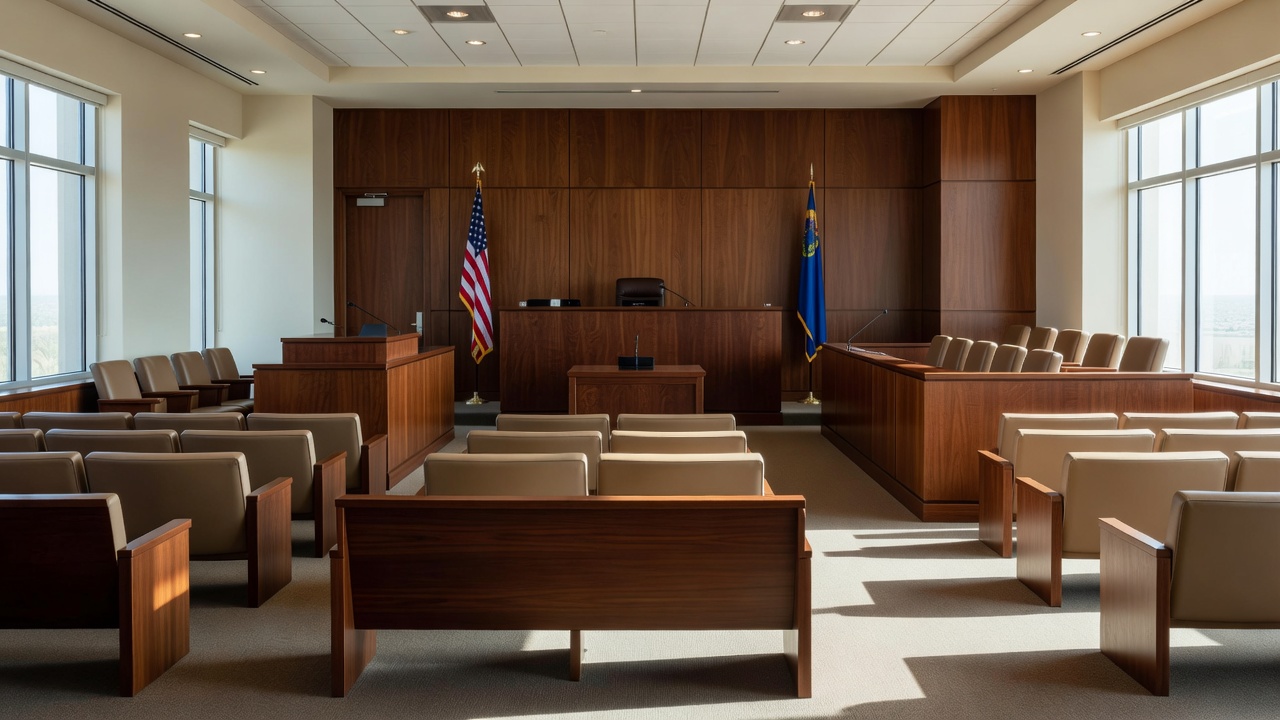
Testimony in the murder trial of Duane “Keffe D” Davis turned contentious on its second day Tuesday as James “Mob James” McDonald, a onetime enforcer for Death Row Records, grew agitated under cross-examination in a Las Vegas courtroom. McDonald told the court he was not present for the drive-by shooting that killed Shakur but learned from others in the rapper’s entourage who had been responsible, according to courtroom accounts. “I’m not going to send him to prison, you are,” McDonald said while pointing toward Davis, at one point urging the defendant to intervene with his own attorney by saying “talk to your lawyer man, this dude is tripping.” He added that he did not wish to see Davis imprisoned despite their mutual dislike, raising his voice as defense attorney Michael Sanft pressed for details.
McDonald’s reluctance underscored the lasting influence of street codes from the 1990s gang conflicts that long hindered the investigation into Shakur’s death. The witness, who had ties to the Mob Piru Bloods, described the climate as one in which “people were getting hurt” and “people were being sought” in retaliation for the killing. “They were the main subjects of a gang war – they were in the middle,” McDonald said of Davis and his nephew Orlando Anderson, noting his own involvement in the tensions at the time.
Prosecutors allege Davis orchestrated the September 7, 1996, shooting along the Las Vegas Strip in retaliation for Anderson’s beating by Shakur and his group hours earlier at the MGM Grand following a Mike Tyson match. Shakur, aged 25, died six days later after refusing to cooperate with police from his ambulance, telling an officer “we’ll take care of it,” as recounted in testimony from a retired Las Vegas Metropolitan Police Department officer who took the stand. Davis, now 63 and a former leader in the South Side Compton Crips, has pleaded not guilty to murder with a deadly weapon and faces life in prison if convicted.
Additional witnesses appeared during the second day of testimony, including Reggie Wright Jr., who had provided security for Shakur and later assumed a managerial role at Death Row Records valued at $3 million after Suge Knight’s departure. Defense questioning focused on Wright’s expanded responsibilities and any potential connections to the events of that night. Coverage of the proceedings indicated three witnesses testified before a brief hearing recessed the session.
Davis became a central figure in the long-dormant case after co-authoring a 2019 memoir that detailed his presence in the Cadillac from which the fatal shots were fired and his role in supplying the weapon. He has since sought to distance himself from elements of the book, claiming certain passages were fictionalized to boost sales and that he did not write every part. Legal observers have highlighted the rarity of a defendant whose own prior statements form a key pillar of the prosecution’s evidence against him.
The trial, which opened with statements from both sides on Monday outlining the gang feud context and forensic links, aims to resolve one of hip-hop’s most enduring mysteries nearly three decades later. Prosecutors are expected to build on Davis’s earlier admissions alongside witness accounts of the retaliatory shooting that also wounded Knight. Proceedings are scheduled to resume Wednesday with further testimony as the Clark County District Attorney’s Office continues presenting its case.