

 ع
ع


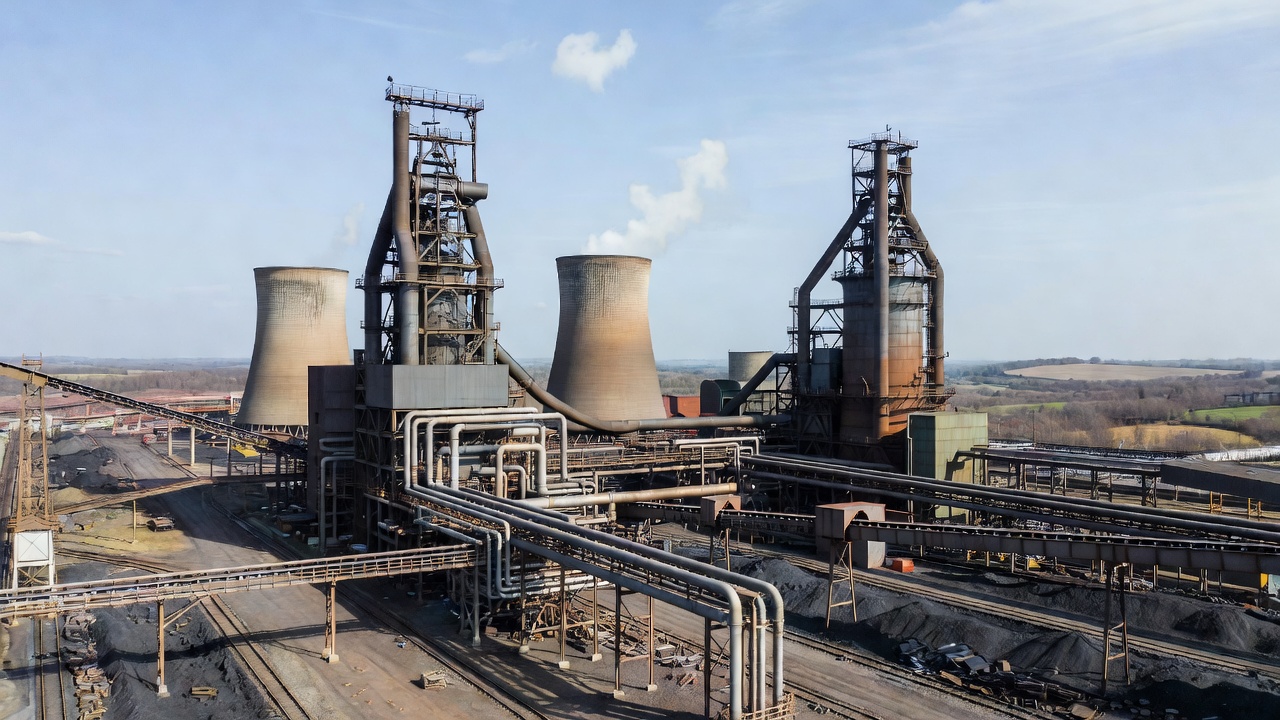
China’s commerce ministry voiced firm opposition to the nationalisation of British Steel, declaring it “firmly opposes and is strongly dissatisfied with the British government’s decision.” The ministry said the moves “seriously infringed upon Jingye’s legitimate rights and interests and severely undermined the confidence of Chinese companies investing in the UK,” according to a statement issued on July 17, 2026. It called on Britain to faithfully fulfil obligations under the China-UK Bilateral Investment Treaty signed in 1986, which protects reciprocal investments and requires reasonable compensation in cases of expropriation. The ministry added that Beijing would monitor developments closely and support Chinese firms in safeguarding their rights, though it stopped short of detailing potential responses.
The UK government announced on Thursday that it had taken full public ownership of British Steel’s Scunthorpe operations to protect thousands of jobs and maintain a vital national capability in primary steel production, Reuters reported from London. Parliament had approved enabling legislation the previous day that permitted nationalisation when a public interest test was met, following the government’s seizure of operational control in April 2025 to prevent closure of the site’s last two blast furnaces. Business Secretary Peter Kyle stated that the government would cover running costs for the immediate future while an independent valuer assessed any compensation payable to the previous owner. The plant, the United Kingdom’s sole remaining integrated steelworks with blast furnaces, had been under pressure from high energy costs, environmental compliance and market conditions.
Jingye Group, the Chinese owner that acquired British Steel in 2020 for a nominal sum after previous insolvency proceedings, had warned the business was losing £700,000 a day and sought compensation potentially exceeding £1 billion, a Guardian investigation found in June 2026. The company had injected more than £1.2 billion into the UK operations since purchase yet cited unsustainable losses tied to imported raw materials, falling steel prices and regulatory burdens. National Audit Office figures released in March 2026 placed the daily cost to the UK taxpayer at £1.3 million after the government assumed operational responsibility, a sum that underscored the financial stakes for both parties. Jingye has not publicly responded to the latest nationalisation announcement.
The Scunthorpe facility maintains an annual production capacity of three million tonnes of steel used in rail, construction and engineering sectors, according to National Audit Office data that also listed 4,052 permanent staff as of January 2026. Its closure would have eliminated up to 2,700 direct roles at the site plus thousands more in the supply chain, prompting the initial intervention under the previous administration. Financial Times analysis shows the broader UK iron and steel industry contracted 73 percent since 1990 even as overall manufacturing output grew more than 60 percent, highlighting long-term structural challenges that nationalisation now seeks to address in the short term.
The dispute arrives as the United Kingdom prepares for a change in leadership, with Andy Burnham scheduled to become prime minister on Monday following internal party shifts, the BBC reported. Ties between London and Beijing have faced repeated tests in recent years, including over trade tariffs on Chinese steel imports that the UK halved in January 2026 to manage market glut, according to Guardian coverage. The 1986 treaty, still in force, limits arbitration mainly to disputes over the amount of compensation for expropriation, investment policy reviews from UNCTAD and Wolters Kluwer note. Analysts following bilateral economic relations indicated the case could test enforcement mechanisms without immediate escalation.
Parliamentary research briefings from May 2026 detailed British Steel’s 2023 operating loss of £205 million on revenue of £1.2 billion, with liabilities exceeding assets and heavy reliance on parent company loans from Jingye. The government has signalled it does not intend to operate the business indefinitely and will explore options for its long-term future once stabilised under public ownership. Industry reports place the UK steel supply chain’s support for around 50,000 indirect jobs, amplifying the national security and economic considerations cited in the decision to nationalise.