ع
ع


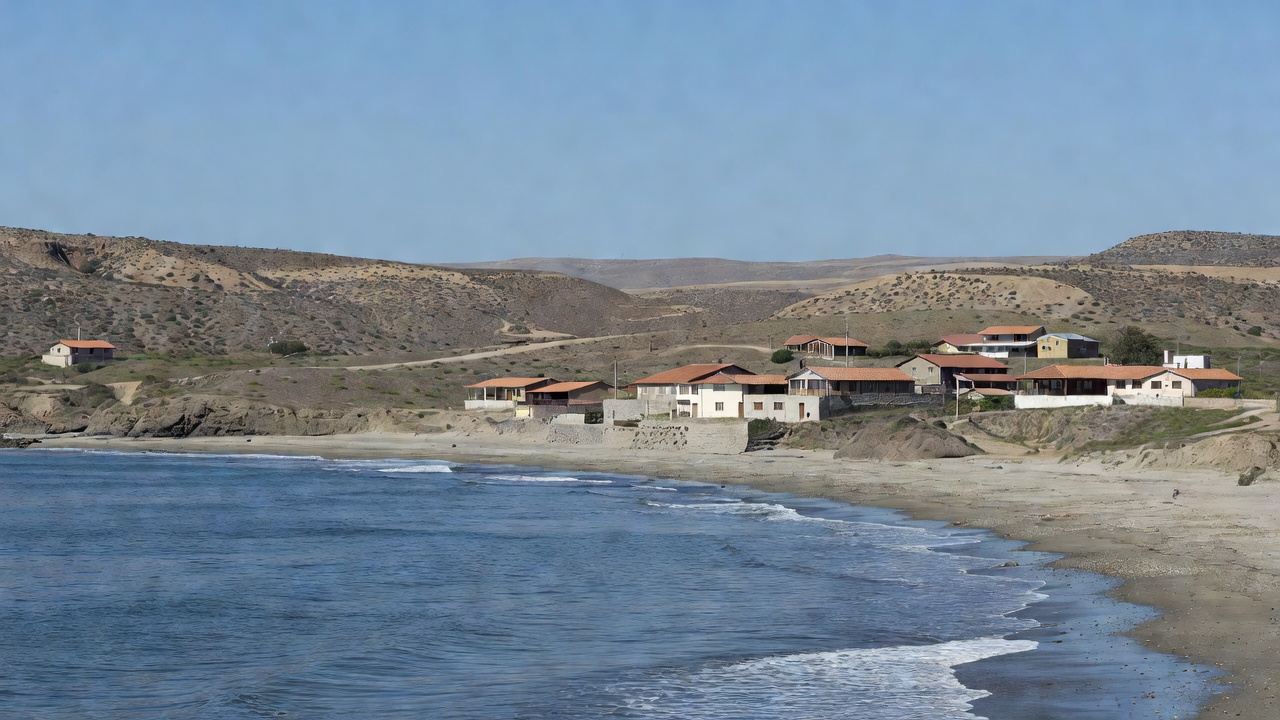
Senapred reported that the extreme weather had affected thousands across the country with more than 99,000 people isolated and several listed as missing while local mayors confirmed at least five deaths from the floods and mudslides. President José Antonio Kast activated the constitutional state of catastrophe in the Coquimbo region and Huasco province after evaluating the emergency the presidential office stated. This measure unlocks additional resources and allows for coordinated military and civilian response across the hardest-hit zones.
A BBC video titled Watch: Flooded towns and evacuations as Chile hit by heavy rain illustrated submerged streets and rescue scenes in the affected communities. Parts of Coquimbo recorded more than 200 millimetres of rain at Cerro Tololo marking historic levels for the area according to meteorological observations. The intense precipitation triggered mudslides that blocked major roads and cut off access to numerous towns in northern Chile.
According to Reuters the Chilean army and police rescued stranded residents over the weekend as the storm battered central-north regions. Chilean Air Force helicopters lifted 19 people and 13 pets trapped by overflowed waterways in the Limarí area Arab News reported from the scene. Emergency operations continued with crews focusing on isolated pockets where rising waters had trapped families without warning.
Al Jazeera reported that 466 people remained in shelters with 158 residents isolated primarily in Coquimbo while seven sustained injuries during the storms. The disaster agency issued specific evacuation orders for zones such as Campamento Ribera del Rio near Talagante where river levels rose dangerously. Official tallies placed the number of homes destroyed or severely damaged above 1,100 in the initial assessments.
The declaration on July 20 enables faster deployment of aid and certain regulatory flexibility President Kast noted during his briefing on the crisis. This event forms part of a larger frontal weather system that had already led to preventive emergencies in ten regions earlier in the week Reuters indicated. Authorities continue to monitor forecasts as additional rainfall remains possible in central areas.
Reuters reported that power outages impacted hundreds of thousands of households at peak times while widespread road closures hindered supply deliveries to affected communities. The national disaster infrastructure faced significant strain from the combination of flooding fierce winds and landslides Senapred figures show. Recovery teams have prioritised restoring access to isolated towns where residents awaited assistance in the days following the heaviest downpours.