

 ع
ع


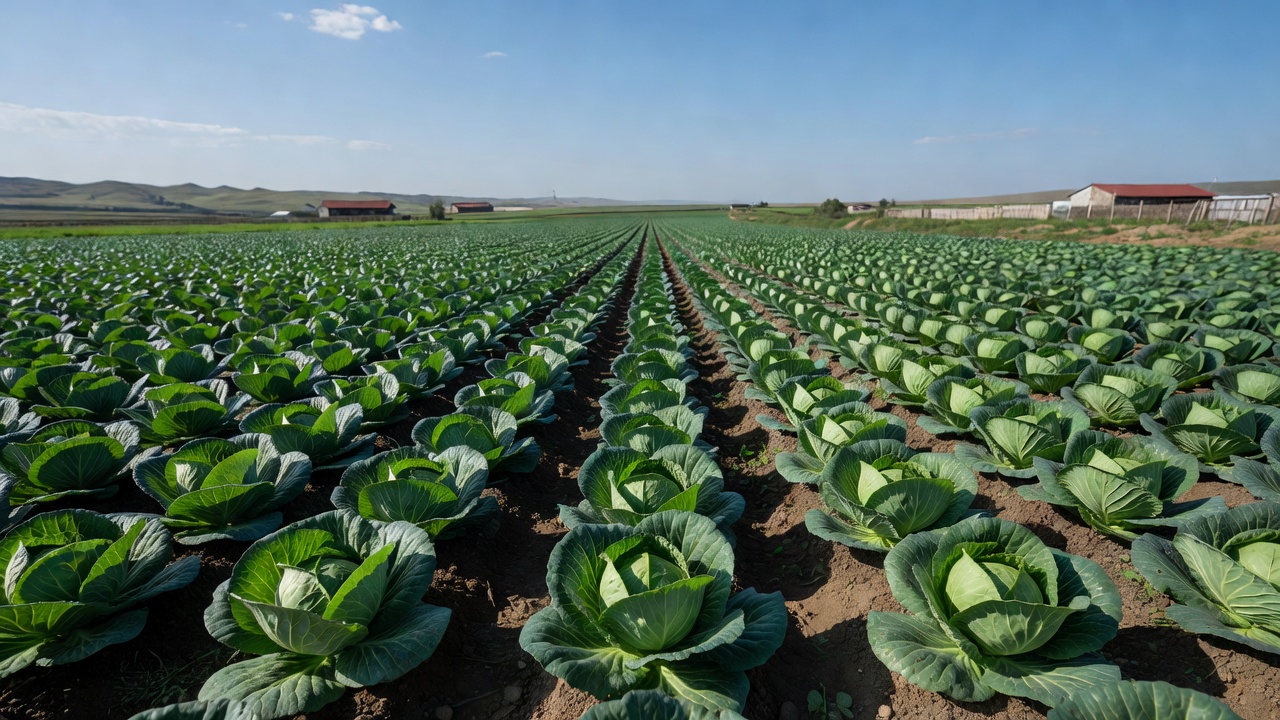
Authorities in Kangbao County of Zhangjiakou, Hebei Province, verified online video footage showing cabbages dipped in formaldehyde solution before loading for transport in an attempt to maintain freshness. Police took compulsory legal measures against the individuals and vehicles concerned while tracing the distribution of affected batches to prevent them from reaching consumers. The county government stated that illegal practices would be dealt with strictly according to law as part of broader efforts to enforce food safety standards.
The State Council’s Food Safety Office along with the Ministry of Agriculture and Rural Affairs and the State Administration for Market Regulation instructed local governments to carry out thorough and prompt investigations into the incident. Xinhua News Agency reported that the coordinated response aims to identify any contaminated supplies across vegetable markets and storage facilities. This central intervention follows local confirmation of the wholesaler’s actions in North China and extends to checks in major distribution hubs including Beijing’s Xinfadi market where officials found no affected produce.
China produced 35 million tons of cabbages and other brassicas in 2024 according to an IndexBox sector analysis which forecast volume reaching 36 million tons by 2035. The country exported 1 million tons valued at $500 million that year primarily to Vietnam Thailand and Malaysia making it the top global supplier. These figures from the market report place the potential reach of any contamination within a supply chain that supports both domestic consumption and substantial regional trade.
The International Agency for Research on Cancer classifies formaldehyde as a Group 1 carcinogen associated with higher risks of certain cancers from elevated exposure. A review by the American Cancer Society indicates that while links are established for high workplace levels the health impact from trace amounts in food requires further study. Chinese regulations have long banned its application in food items with the 2009 Food Safety Law and later updates imposing severe penalties for violations involving nonedible substances.
A comparable incident occurred in 2019 when tests in mainland China detected formaldehyde in baby napa cabbages shipped for transit preservation according to a food safety bulletin from Hong Kong’s Centre for Food Safety. That episode mirrored current concerns over unregulated use during bulk handling and transport. Subsequent enforcement drives have targeted similar additives yet challenges persist in monitoring dispersed agricultural supply networks.
People’s Daily stated in an editorial that the wholesalers had ignored consumer health and crossed the legal red line. The newspaper’s commentary underscored the need for accountability to maintain confidence in vegetable supplies. Beijing market operators separately assured that routine testing had not identified any contaminated cabbages from the affected region.
Broader food safety governance in China has evolved through repeated reforms with the government maintaining zero tolerance for illegal additives as outlined in multiple regulatory updates since the early 2000s. Past cases documented by health authorities have involved formaldehyde in items ranging from preserved foods to snacks highlighting recurring enforcement gaps. Officials continue to emphasize tracing and spot checks as immediate tools to address the latest findings in the cabbage sector.