ع
ع


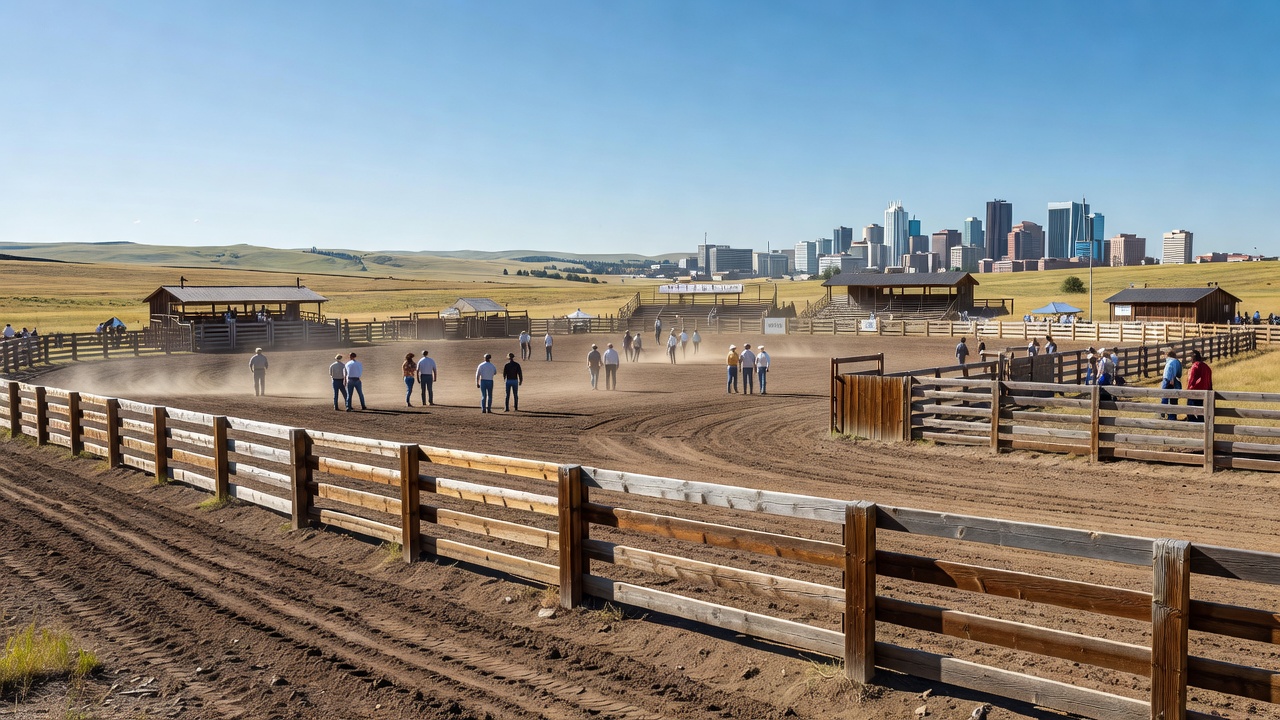
Unity campaigners have seized on the final days of the Calgary Stampede, which runs from July 3 to July 12 and draws more than one million visitors annually, to press the case for remaining in Canada as the province heads toward an Oct. 19 referendum. The event has featured appearances by federal and provincial figures promoting national cohesion, including a planned stop by Prime Minister Mark Carney, while separatist organizers have used the western spectacle to rally supporters. Ipsos polling conducted from May 28 to June 1 placed backing for a binding separation vote at 19 percent, down from 28 percent in January, the firm reported in early June. A separate Spark poll in mid-June found 15 percent of Albertans favoured outright separation while 21 percent would back starting the process of a referendum.
Liberal MP Corey Hogan invited dozens of parliamentary colleagues to the Stampede grounds to deliver unity messages, describing separatism as a force that divides families and communities. Hogan told reporters the referendum loomed over every discussion at the rodeo, which features chuckwagon races, bareback riding and pancake breakfasts that embody Alberta’s cowboy heritage. Thomas Lukaszuk, a former Progressive Conservative lawmaker who leads the Forever Canadian group, opened a campaign headquarters at the event and deployed what he called a Unity Bus to reach voters across the province.
First Nations leaders have voiced strong opposition to separation, citing the 1877 Treaty 7 signed east of Calgary between the British Crown and several Indigenous nations as a foundation for their relationship with Canada. Chief Samuel Crowfoot of the Siksika First Nation stated that treaties would be honoured more reliably within Canada and noted the absence of any outreach from separatist movements to Indigenous communities. Chief Troy Knowlton of the Piikani First Nation expressed a preference for dealing with the current federal arrangement rather than an uncertain independent Alberta.
Alberta separatism has roots in long-standing grievances over federal resource policies, including the 1980 National Energy Program that transferred an estimated C$100 billion in revenues from the province to the rest of Canada between 1980 and 1985, according to a CSIS analysis published in March. The 2022 Freedom Convoy protests against pandemic measures further amplified western alienation, with participants citing Ottawa’s invocation of the Emergencies Act as a turning point that hardened views among some Albertans. A Wikipedia entry on the topic notes that modern separatist support draws primarily from the political right and is linked to perceptions that federal carbon policies and pipeline delays harm the province’s oil and gas sector, which accounts for a significant share of Canada’s energy exports.
Premier Danielle Smith, whose United Conservative government called the referendum despite internal challenges, has framed the vote as an opportunity to gauge Albertans’ views directly on their constitutional future. Recent polling aggregates compiled by The Writ in June showed two-thirds of respondents consistently favouring continued membership in Canada across multiple surveys from firms including Leger, Angus Reid and Ipsos. Chris Scott, an independence organiser connected to the Freedom Convoy who operates a cafe in the small town of Mirror, told interviewers that an independent Alberta had become inevitable because the province had run out of options within the federation.
Economists and analysts have warned that separation would carry substantial risks for Alberta’s economy, which relies on integrated trade with the rest of Canada and the United States. A Walrus article from April argued that claims of saving billions in federal taxes overlook the costs of establishing new institutions, currency arrangements and trade deals, while a Conversation piece in February linked sovereigntist momentum to decades of oil-focused political narratives that have become entrenched. Support for the idea remains concentrated in rural areas and among certain demographic groups, yet multiple polls confirm it represents a minority position even as the October ballot approaches.