ع
ع


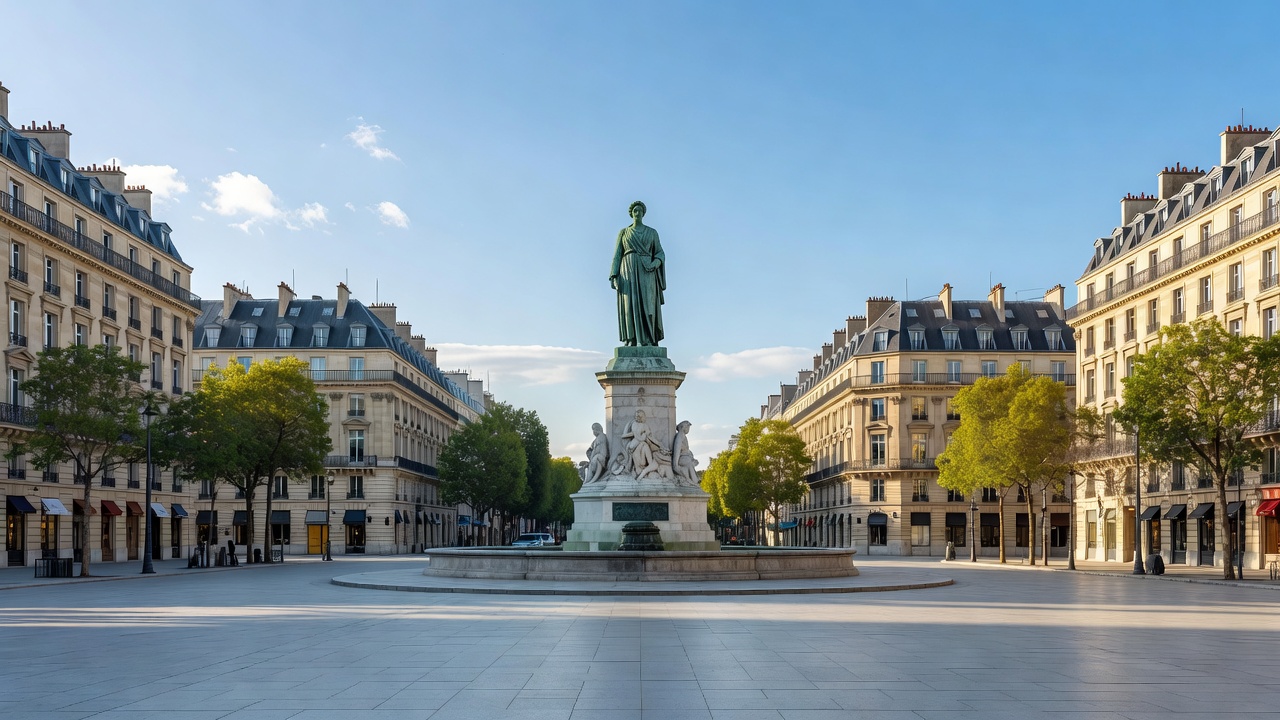
Paris awoke on October 18 to scenes of devastation after protests over the cost of living descended into violence, with the city’s deputy mayor reporting that whole streets had been systematically looted and vandalised. Masked groups torched vehicles, smashed shop windows and ransacked businesses in areas including Place de la République, where police deployed tear gas and water cannons against crowds throwing projectiles and fireworks. The unrest extended beyond the capital, with similar scenes of burning cars and damaged storefronts reported in multiple cities as authorities tallied the damage from the previous day’s events.
French Prime Minister Sébastien Lecornu put the nationwide arrest total at 1,200 while stating that 150 police officers had been injured in the clashes, according to an assessment released late on October 17. In Paris alone the prefecture recorded a record 855 detentions, the highest for any single demonstration, as looters targeted supermarkets, electronics stores, pharmacies and luxury boutiques in coordinated attacks. One protester lost a hand in Saint-Etienne after being struck by a police crowd-control grenade, a police source told AFP reporters covering the demonstrations.
The interior ministry reported that 550,000 people participated in the initial marches, a figure disputed by the CGT union which claimed 800,000 turned out in support of high school students and broader grievances over inflation and social services. What began as largely peaceful rallies organised by teachers, students and unions quickly attracted fringe elements, including self-described ultra-left groups, who escalated confrontations in Paris, Marseille, Lyon, Bordeaux, Lille, Nice and Strasbourg. In Marseille protesters briefly stormed city hall and defaced walls, while in Lyon the tourist office was set ablaze and in Limoges firefighters battled a major fire that caused the historic town hall roof to collapse.
The demonstrations follow weeks of student-led actions over deteriorating school conditions that have widened into a national movement incorporating pensioners, farmers and remnants of the Yellow Vest protests from years earlier. Economists have linked the unrest to persistent pressures on household budgets, with inflation eroding purchasing power despite government measures, according to analyses published ahead of the October 17 events. Political observers noted the timing adds to uncertainty as France prepares for elections in six months to choose a successor to President Emmanuel Macron.
Paris Deputy Mayor Emmanuel Gregoire described the damage as dramatic, telling Franceinfo that the city was left in a state of total disrepair after the overnight violence. Shop owners whose premises were targeted reported masked individuals using baseball bats to smash entrances before making off with goods, in accounts gathered by multiple news outlets on the ground. Officials have pledged a thorough investigation to identify and prosecute those responsible for the vandalism and arson.
Interior ministry data indicated that 140 separate protests occurred outside Paris by midday on October 17, many of which remained peaceful until smaller groups broke away to engage in looting and confrontations with security forces. In the capital, riot police made repeated charges to clear streets around the Champs-Élysées and areas near the Élysée Palace, where some masked individuals advanced to within 150 metres before being repelled. The government has blamed the escalation on organised agitators rather than the main body of demonstrators who had called for improved education funding and relief from rising prices.