ع
ع


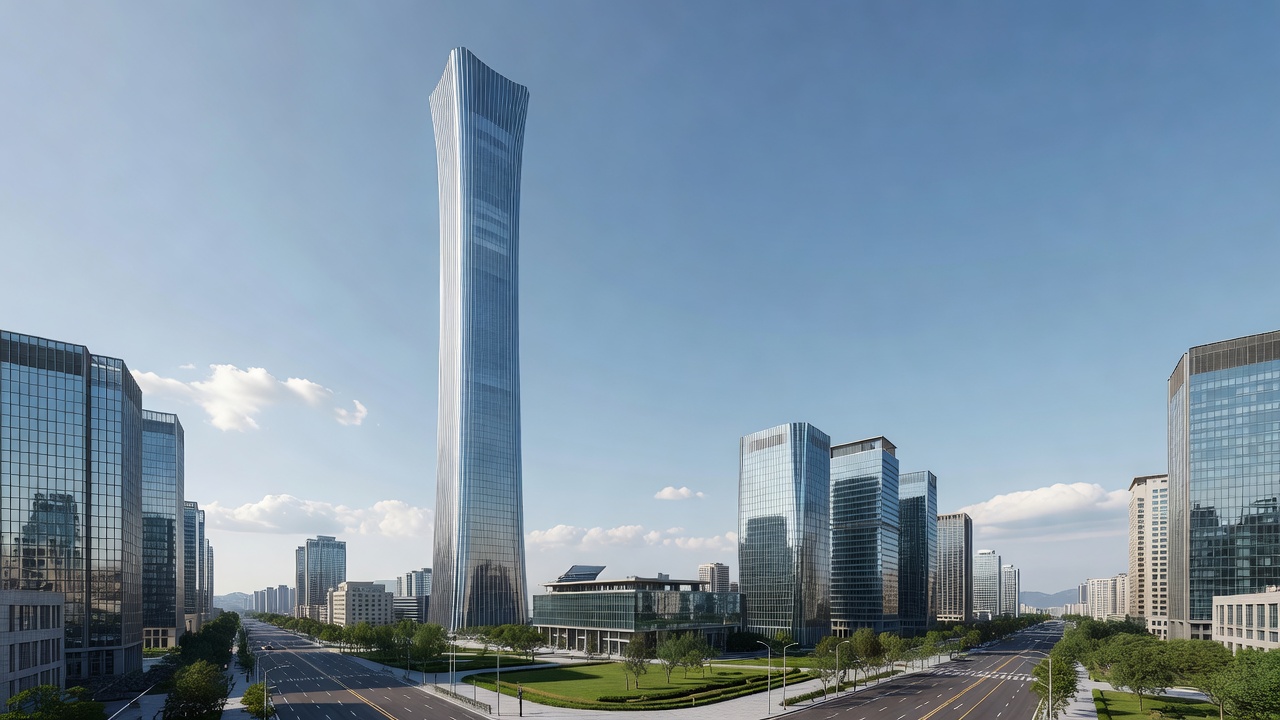
A small aircraft struck the 528-metre CITIC Tower also known as China Zun in Beijing’s Chaoyang district at about 5:55 p.m. on June 26 sending debris to the streets below and forcing an evacuation of the 109-storey building according to eyewitness accounts reported by Reuters and the Associated Press. Videos showing the impact and falling wreckage spread quickly on Chinese social media before authorities removed them CNN reported. Police increased their presence around the skyscraper which stands in the central business district near major companies and foreign embassies while emergency teams tended to those hurt on the ground and inside the structure.
The Chaoyang district government said in a statement released on July 2 that a comprehensive investigation determined the crash was a case of endangering public safety caused by personal reasons. The pilot identified only by his surname Liu was a 66-year-old Beijing native who had long suffered from chronic insomnia and anxiety and lived alone after a divorce the statement added. His diary contained multiple expressions of ending his life the authorities reported confirming that the incident was not linked to any external threat.
Liu had obtained a sport pilot licence in 2021 and a private pilot licence in 2024 according to details in the government statement cross-checked with flight tracking information cited by the BBC and CNN. The two-seat single-engine Sunward Aurora SA60L with registration B-12PP had taken off from an airport in Pinggu district where the pilot completed both accompanied and solo flights that afternoon the assessment found. During the solo portion Liu deviated from the designated area lost radio contact and collided with the tower the Chaoyang district government reported.
In the days following the crash authorities instructed flight schools across China to suspend training and carry out safety inspections the South China Morning Post reported drawing on official directives issued to operators. Several aviation firms told the BBC they had been ordered to halt light aircraft operations while reviews proceed. The incident has clouded development of the country’s low-altitude flight sector which Reuters noted was already navigating tighter regulatory oversight after the event uncovered gaps in general aviation safety.
Security specialists have questioned how the light aircraft evaded detection in one of the world’s most protected airspaces according to an analysis in the South China Morning Post. Li Wei director of the Centre for Counter-Terrorism Studies at a Beijing government think tank told the newspaper there would have been minimal time to respond once the plane changed course. The tower’s location has intensified debate over airspace controls near sensitive areas The New York Times observed in its reporting from the scene.
The pilot’s relatively recent entry into aviation as a freelancer has prompted examination of mental health protocols for licence holders in China’s expanding general aviation market according to coverage by multiple outlets including Gulf News and Hong Kong Free Press. Official communications have consistently framed the event around Liu’s personal circumstances to counter online speculation the Washington Post reported. No additional information on the pilot’s full identity or ongoing medical background has been disclosed by authorities.