ع
ع


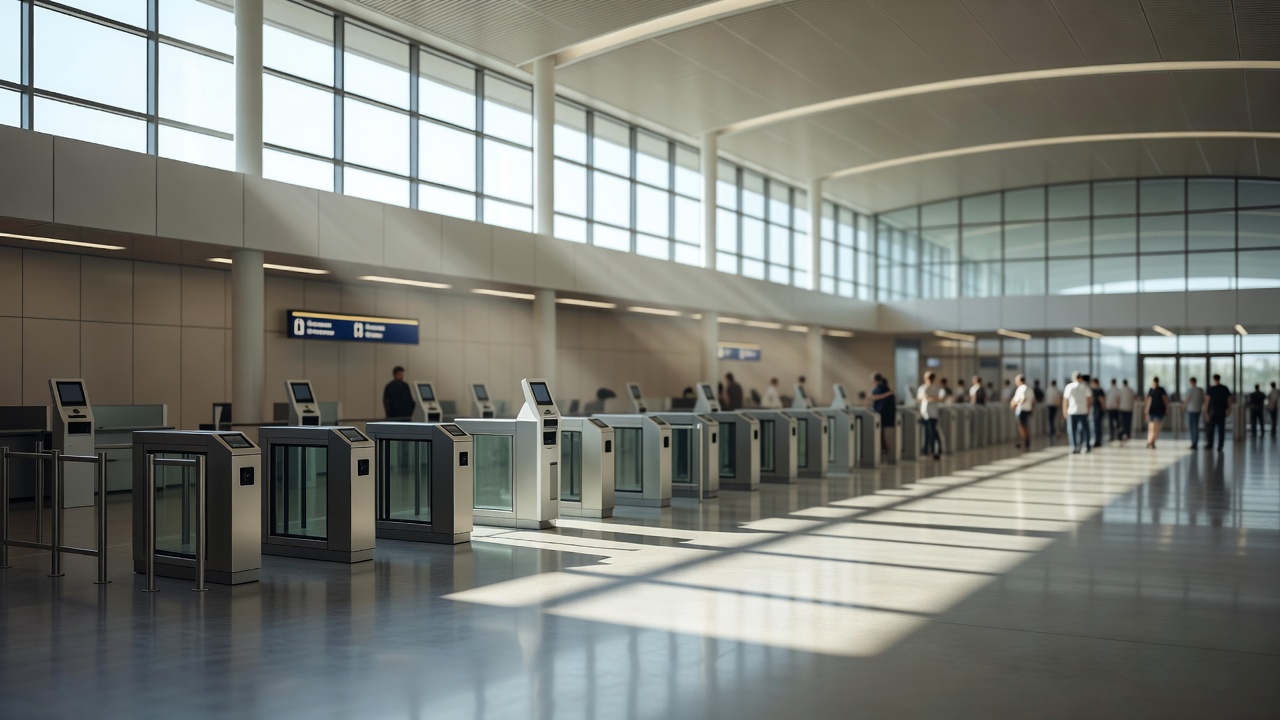
Berlin Airport chief executive Aletta von Massenbach warned that queues for non-EU nationals have stretched to between one and two hours at a terminal serving Ryanair and Wizz Air flights, prompting missed connections and growing frustration among travellers. She described the situation as one that is not bearable over the summer and called for a high-level meeting in Brussels to tackle shortcomings in the Entry-Exit System that became fully operational in April. According to her assessment shared with reporters, the biometric registration requirements have overwhelmed existing border infrastructure at peak times.
Airports Council International Europe figures show waiting times reaching up to five hours at some hubs during busy periods since the EES rollout, with the industry group projecting even longer delays as summer traffic intensifies. ACI Europe president Stefan Schulte, who also heads the company operating Frankfurt Airport, stated that passengers are queueing for hours at peak traffic times and questioned how facilities would cope with the expected increase in volumes. He urged policymakers to stop pretending the system is working just fine and warned that without urgent adjustments the network risks complete collapse after early September.
The International Air Transport Association cautioned that waits could extend to six hours at the height of the season, building on earlier ACI Europe data that recorded two-to-three-hour queues when mandatory biometric registration expanded in March. Major hubs including Paris Charles de Gaulle, Amsterdam Schiphol and airports in Spain, Italy and Greece have reported processing times up by as much as 70 percent at peak periods, according to industry tallies. These bottlenecks have already led to missed flights and operational strain for carriers serving both arrival and departure flows.
The European Commission has permitted partial suspension of certain EES elements until September to limit disruption, yet individual member states must authorise such measures and delays often lengthen while decisions are pending. A Commission spokesman noted that the impact remains limited at most airports but attributed persistent problems to insufficient numbers of border guards and inadequate infrastructure in several locations. Officials added that the system has recorded nearly 80 million crossings since its initial phases and issued more than 35,000 refusals, including around 900 linked to security threats.
Passenger accounts illustrate the practical effects, with one UK traveller from Dunbarton reporting a 90-minute queue at Rome that caused her to miss a connecting flight and incur replacement costs of £250. Airlines UK, Airlines for America and Jet2 have jointly called for contingency measures, with Jet2 chief executive Steve Heapy describing the current policy application as baffling where facilities remain unprepared. The carriers have pressed for checks to be paused temporarily at congested points to safeguard schedules during the busiest weeks.
A World Travel and Tourism Council survey found that 65 percent of travellers support the EES once informed of its security purpose, though only 6 percent expressed strongly negative views about biometric controls. The Guardian reported that early summer holiday bookings from the UK have softened amid widespread publicity about potential chaos at external Schengen borders. Industry bodies including ACI Europe and Airlines for Europe have issued joint appeals for greater operational flexibility to protect Europe’s competitiveness in global tourism and aviation.