ع
ع


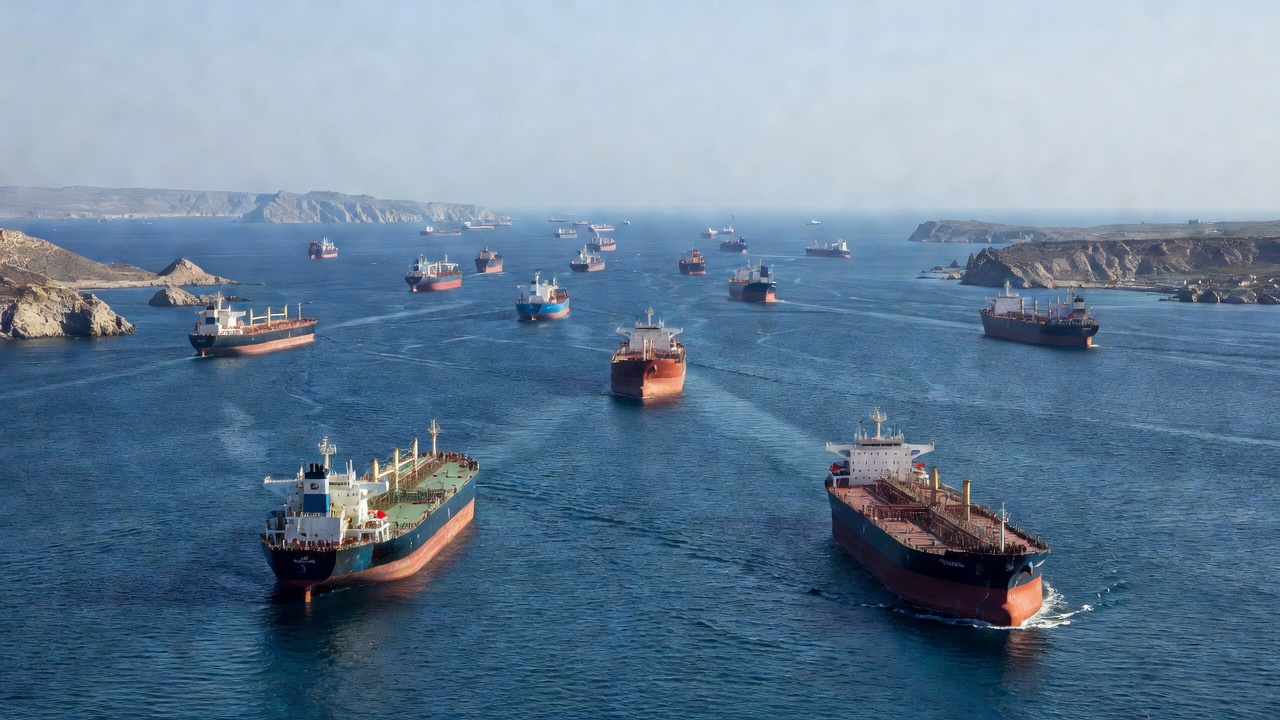
The UK’s Maritime Trade Operations agency received reports of 12 vessel attacks between October 5 and 11, the highest weekly total since the US-Israeli war with Iran began late February, according to BBC Verify analysis of the data. Six of those strikes occurred on a single Sunday, while the prior week saw 10 attacks and four more have been logged so far this week. The incidents come as Iran has increased surveillance and strikes on vessels it claims take unauthorized routes, data from multiple maritime security trackers show.[[1]](https://www.bbc.co.uk/news/articles/cmde8dpg8g0no)
Trade intelligence firm Kpler data places oil shipments through the strait at 12.6 million barrels per day on October 13, down from around 15 million at the end of September and below a pre-war baseline near 17 million. Al Jazeera reporting on Kpler figures indicated flows plunged as low as 2.9 million barrels on October 11 after reaching 20.8 million on October 8, with Brent crude rising above $106 a barrel in response. The slowdown follows a partial recovery in September when non-Iranian Gulf oil exports approached 81 percent of pre-war levels.[[2]](https://www.aljazeera.com/news/2026/10/14/iran-steps-up-hormuz-surveillance-attacks-soar-oil-flows-crash-again)
Windward maritime risk reports documented 45 Iranian attacks in the Middle East Gulf during the third quarter, a doubling from the prior quarter, with 93 percent occurring in the Strait of Hormuz and 87 percent targeting tankers. The International Maritime Organization has recorded 68 incidents near the strait since the conflict began, resulting in at least 20 seafarer deaths, according to multiple agency summaries. UKMTO and IMO data further show 23 attacks in October alone, nearly double the monthly average since late February.[[3]](https://windward.ai/knowledge-base/top-8-maritime-risks-from-q3-2026/)
A Singapore-flagged container ship, the GFS Pride, sank on October 13 after a projectile strike, though all 21 crew members were evacuated safely, Windward daily intelligence noted. Iran’s Islamic Revolutionary Guard Corps released footage claiming one vessel carried contraband and followed an unauthorized path, while separate reports from Vanguard and the IMO listed two missing Indian seafarers from another incident. Attacks have also struck a chemical tanker off Qatar and a vessel near the UAE, extending the threat zone beyond the strait itself.[[4]](https://windward.ai/knowledge-base/strait-of-hormuz-live-report/)
US Navy figures indicate the number of vessels receiving assistance to navigate the strait in the first 10 days of October rose 85 percent compared with the same period in August, reflecting heightened risk for commercial traffic. Crude tanker freight rates have climbed to record levels, with MEG-China VLCC rates reaching $24 per barrel and freight now comprising up to 25 percent of the FOB crude price from the Middle East Gulf, a Kpler assessment found. Security firm Vanguard attributed the surge in strikes to Iran’s efforts to disrupt recovering Gulf oil flows that had reached around 80 percent of pre-war levels.[[5]](https://www.kpler.com/blog/crude-tanker-rates-hit-new-highs-as-hormuz-risk-escalates)
Analyst Barun Gupta with Vanguard told AFP that increasing the tempo of attacks allows Tehran to demonstrate its ability to impose costs on commercial shipping and global energy markets amid the partial export rebound. The IMO has suspended normal traffic separation schemes in the area, with many vessels operating transponders off to reduce visibility, according to UKMTO overviews. Overall transits remain well below pre-war averages despite convoy support for some shuttle operations.