ع



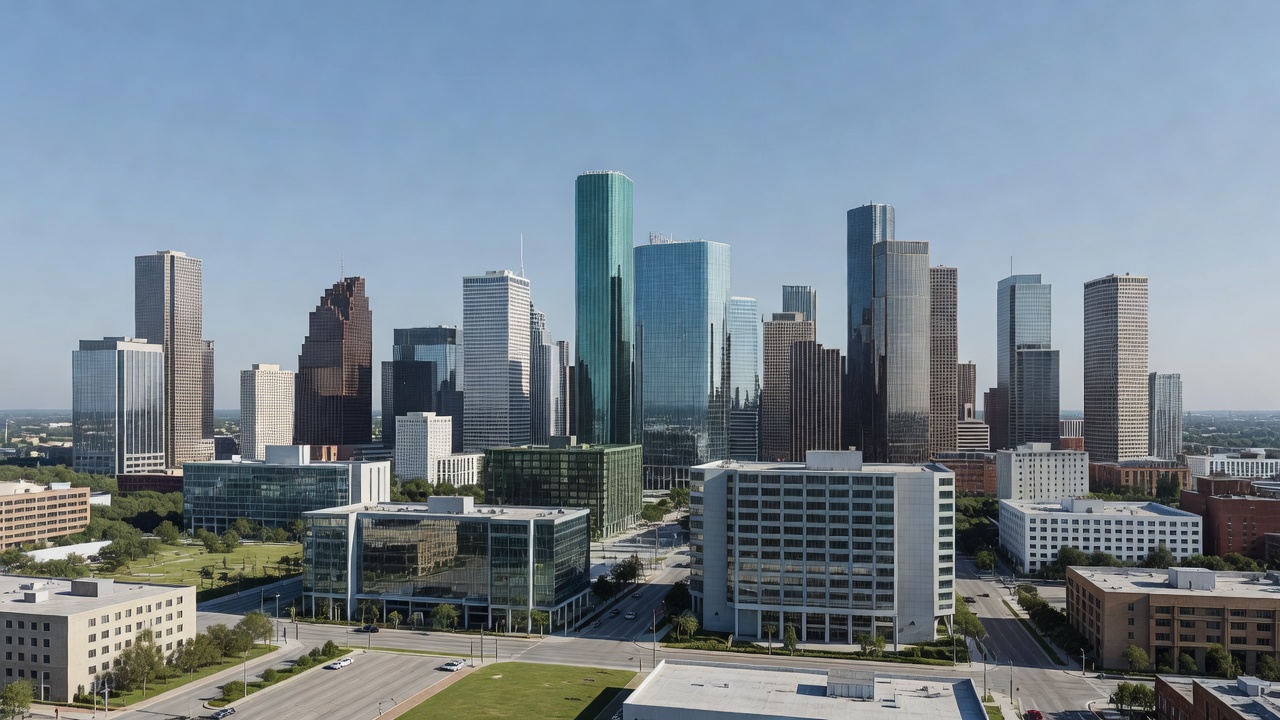
Houston Mayor John Whitmire issued an executive order on November 6 prohibiting police from alerting U.S. Immigration and Customs Enforcement solely on the basis of a civil immigration warrant during routine traffic stops or other detentions. Officers may notify federal agents only if the person is also being charged with a jailable criminal offense. The Democrat, who voted against the state’s 2017 ban on sanctuary-city policies while serving in the Texas Senate, described the step as the right action at the right time to begin a healing process in the state’s largest city.
The move arrives days after Democrats swept Texas’ top statewide offices in the November 4 midterm elections, including the governorship. Gov.-elect Gina Hinojosa’s defeat of incumbent Greg Abbott removed the threat of withheld public-safety grants that had previously forced concessions from city officials. A Reuters account noted that Whitmire consulted with the incoming Democratic leadership before announcing the policy, which he said would serve as a model for other municipalities.[[1]](https://www.reuters.com/legal/government/houston-mayor-curtails-police-cooperation-with-ice-saying-elections-matter-2026-11-07/)
In Austin, Mayor Kirk Watson separately instructed Police Chief Lisa Davis to revise the department’s general orders on ICE encounters before the new governor takes office in January. Watson told the Austin American-Statesman that the change in state leadership would allow better partnership without threats or undue pressure on local decisions involving civil immigration enforcement. Council members Mike Siegel and Vanessa Fuentes voiced support for limiting cooperation to the minimum required by federal law, according to KXAN reporting.[[2]](https://www.statesman.com/news/local/article/austin-ice-policy-changes-texas-governor-election-22517134.php)
Earlier in 2026, Abbott had threatened to withhold millions in state grants from Austin and Houston unless police increased notifications to ICE on administrative warrants. That pressure led Austin to amend its policy in April so officers “should” contact federal agents “when operationally feasible,” a shift reported by the Austin American-Statesman that replaced earlier discretionary language. Both cities now seek to roll back those adjustments, while stressing compliance with Senate Bill 4, the 2017 statute that bars localities from forbidding cooperation with immigration authorities.[[3]](https://www.statesman.com/news/local/article/austin-police-ice-policy-change-abbott-22224863.php)
Whitmire’s order maintains that Houston officers will continue to honor criminal detainers and share information required by law. The mayor’s news conference remarks, carried by multiple outlets, underlined that Austin Police should focus on local public safety rather than federal civil enforcement. An ICE spokesperson countered that partnerships with local law enforcement remain critical to arresting criminal offenders, a position included in the BBC’s coverage of the announcement.[[4]](https://www.bbc.co.uk/news/articles/c8dx33d22zkro)
Houston’s immigrant community, one of the largest in the United States, has expressed heightened anxiety amid shifting federal and state priorities since the start of the year. Recent high-profile incidents, including an ICE officer charged with aggravated assault after striking a man with a vehicle, added to local tensions. Watson and Whitmire both cited the need to rebuild trust so residents feel safe reporting crimes regardless of immigration status.
The policy adjustments reflect a broader realignment in Texas following the midterm results that also delivered Democratic control of Congress for the remainder of President Donald Trump’s term. Incoming state leaders are expected to ease coercive tactics against cities, though Senate Bill 4 remains in effect. Officials in both Houston and Austin have pledged that city attorneys will review final language before implementation to avoid legal conflicts.