ع



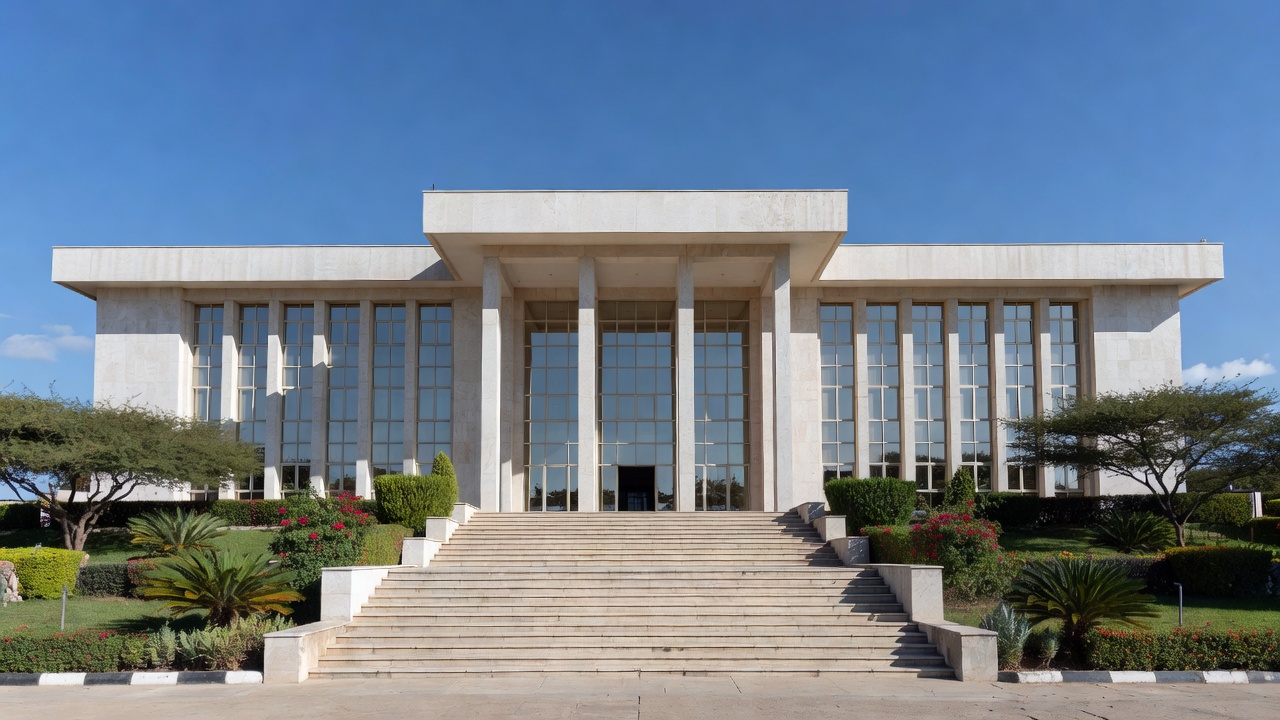
Somalia’s Supreme Court ruled on Thursday that constitutional amendments extending presidential and parliamentary terms from four to five years could not be applied to current office holders whose mandates had already expired. The court determined that President Hassan Sheikh Mohamud’s term ended on May 15 2026 and parliament’s concluded on April 14 with all subsequent actions deemed null and void. It instructed stakeholders to reach consensus on an electoral model within 30 days and complete elections inside 90 days while restricting the administration to caretaker duties only.
The decision invalidated President Mohamud’s dismissal of Chief Justice Bashe Yusuf Ahmed announced the previous day which the court described as an attempt to interfere with its independence. The presidency had cited the need for a more efficient judiciary in its statement but the ruling declared the move and the appointment of a replacement legally void. Reports indicate security forces subsequently entered the court premises according to accounts from several regional outlets.
Opposition parties boycotted the March parliamentary vote that approved the changes viewing them as a bid to prolong the president’s time in office rather than a genuine path to reform. The dispute forms part of a constitutional crisis that began in March 2024 when parliament first passed amendments shifting toward universal suffrage and longer terms prompting pushback from Puntland and other regions. ACLED analysis from that period linked the tensions to a subsequent rise in al-Shabaab activity across the country.
President Mohamud has maintained that the reforms are essential to replace the clan-based selection system with direct democratic elections last held nationwide in 1969. The court however found the amendments lacked explicit language applying the new five-year terms to sitting institutions. This leaves the federal government operating in a limited capacity until successors are chosen.
The political uncertainty arrives as international donors reduce support for security missions due to slow progress against al-Shabaab which maintains control over swathes of rural territory. Uganda has signaled it will withdraw its troops from the regional force by the end of next year according to reports citing donor frustrations. Such developments risk compounding Somalia’s longstanding challenges with governance and stability.
Regional states have repeatedly clashed with the federal approach including Jubaland’s suspension of cooperation and unilateral constitutional moves in late 2024. Former leaders and opposition voices have warned that the extensions undermine trust in state institutions and could accelerate fragmentation. The Supreme Court ruling now places the onus on all parties to negotiate a viable electoral path forward within the mandated timeframe.