ع



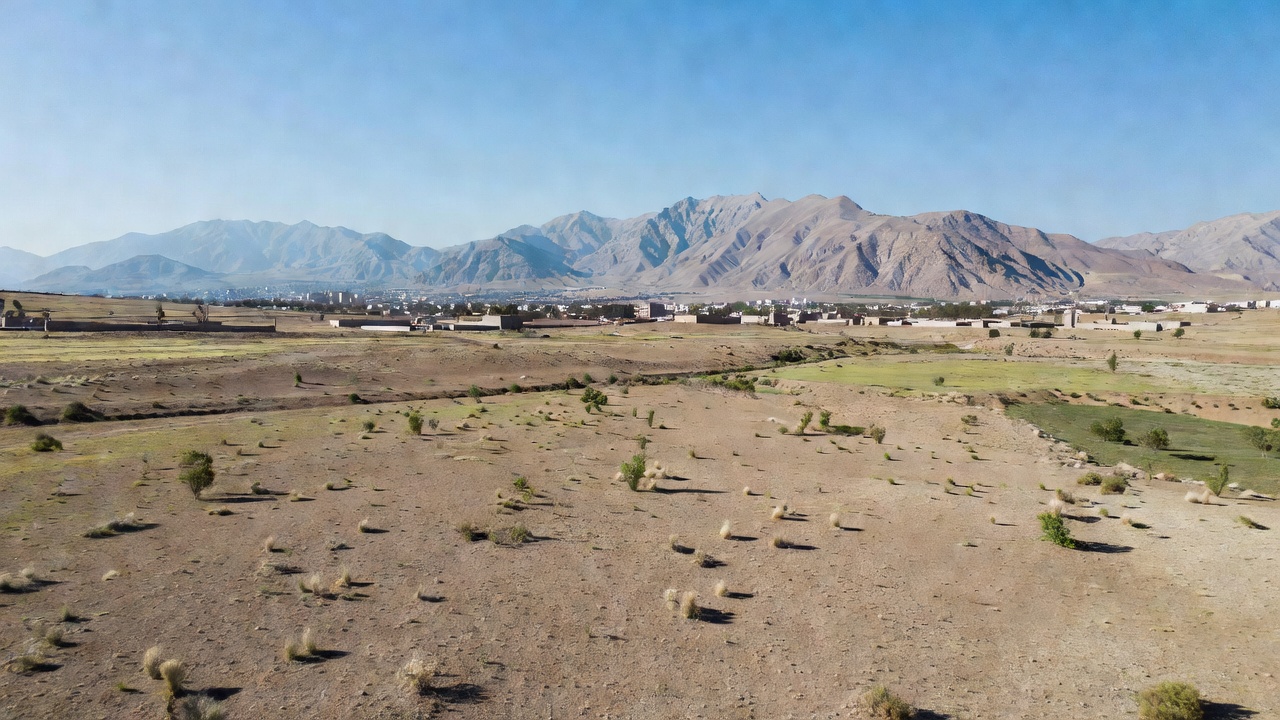
Analysts at the British intelligence company MAIAR examined commercial satellite photographs taken in November 2026 and identified significant excavation along with new buildings at the Garmdareh military base in Karaj near Tehran. The same imagery showed comparable activity at the Shahroud base in northern Iran where digging appeared well advanced. MAIAR researchers told BBC Verify that at least 12 additional military installations including missile complexes and air bases displayed signs of repair work following earlier airstrikes. A separate review by the Foreign Policy Research Institute reached similar conclusions on activity at the Karaj site.
At the Kermanshah missile base in western Iran close to the border with Iraq new roofs have been installed on previously destroyed structures according to the satellite analysis reported by BBC Verify. The Parchin military complex east of Tehran showed cleared debris and levelled buildings with major reconstruction completed at its Taleghan 2 facility where an underground bunker received concrete reinforcement. The Times of Israel reported in October 2026 that comparable fortification efforts including buried tunnel entrances had taken place at other sensitive sites struck during the 2025 conflict.
Sam Lair a research analyst at the Foreign Policy Research Institute examined the Karaj imagery and identified what he termed a new portal for an underground facility. Lair has published extensive prior assessments of Iranian military infrastructure developments. BBC Verify noted that multiple vehicles were visible in the latest images at Karaj alongside apparent upgrades to a nearby airbase. These observations align with earlier reporting by the Institute for Science and International Security on rapid Iranian repair cycles at damaged facilities.
Iran maintains one of the largest ballistic missile inventories in the Middle East with more than 3,000 projectiles according to past estimates from the International Institute for Strategic Studies that have been referenced in subsequent analyses. The Reuters news agency reported in 2024 that expansions at sites such as Khojir and Modarres near Tehran were intended to increase production of conventional missiles and drones. Recent satellite reviews indicate that repair and construction efforts have accelerated following a series of strikes that occurred between 2024 and 2026. The Alma Research and Education Center in Israel has similarly tracked reconstruction at multiple Iranian missile bases damaged in those exchanges.
The latest activity documented in November 2026 comes after earlier satellite imagery from Planet Labs and Vantor Technologies showed extensive damage at sites including Tabriz and Bandar Abbas from US and Israeli operations. BBC Verify cross-checked the new photographs against historical imagery to confirm the scale of current work at Parchin and Karaj. Additional reporting by UA News on 6 November 2026 corroborated the MAIAR findings on earthworks and structural additions at the two primary locations. Analysts have stopped short of specifying the exact purpose of the new underground features.
The Parchin complex has been struck repeatedly in recent years yet shows consistent signs of rebuilding according to assessments compiled by the Institute for Science and International Security. Imagery from February 2026 already indicated concrete capping over damaged sections at Taleghan 2 with further progress visible in subsequent months. Repair timelines at other bases such as those near Qom and Shiraz have been described as faster than anticipated in reviews published by The Times of Israel. These patterns suggest a sustained Iranian effort to restore and enhance protected military infrastructure.