ع



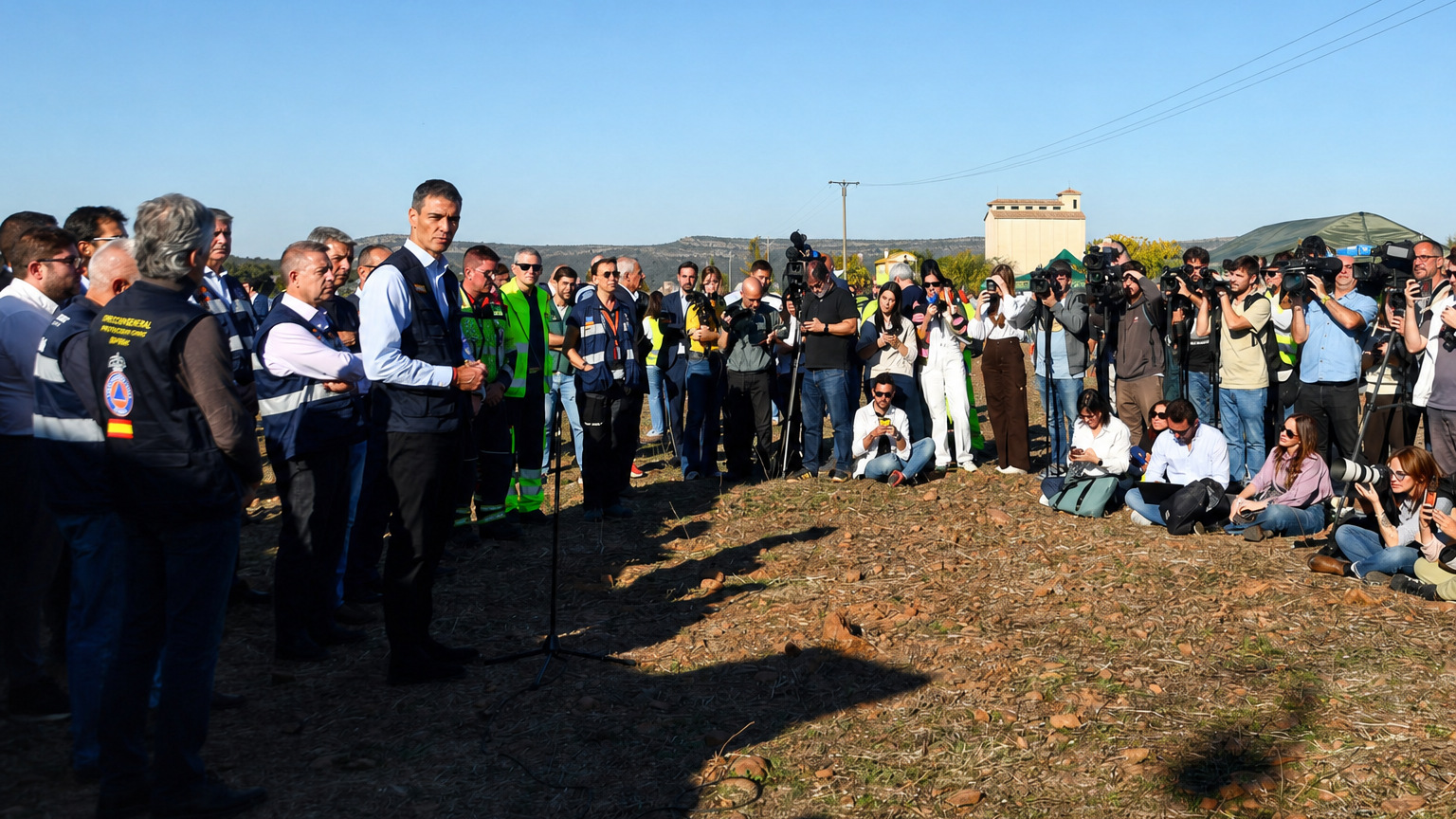
Transport Minister Óscar Puente told a news conference in Madrid on Friday that he had decided to remain in his post and focus on resolving the issues from the disaster rather than discuss his position. “My duty right now is not to talk about whether I should remain in my position, but to resolve the problem,” Puente said according to accounts from Cadena SER. He added that “the easy thing for me would be to leave, but neither that fits with my character nor is it what the Prime Minister has asked me to do,” while noting he would step aside if Pedro Sánchez requested it or if he felt his presence compromised the government’s work. The minister emphasised that his approach to responsibility was to face up to the situation and that he would not use any rail worker as a shield ahead of a full investigation.
A preliminary investigation found that the collision occurred after a computer malfunction disabled the LZB signalling system on a 63-kilometre section of the high-speed line between Madrid and Seville, causing multiple trains to halt automatically, the transport ministry reported. The Adif control centre in Atocha then issued an order for trains to resume at normal speeds, contrary to protocol that required movement at no more than 40 kilometres per hour in such conditions. The Renfe-operated AVE train accelerated to between 160 and 200 kilometres per hour before striking the rear of a stationary Iryo train near Urda in Toledo province shortly before 9am on Wednesday, officials detailed in statements released over the following 48 hours.
The Castilla-La Mancha regional government reported that at least 69 people died in the crash with more than 80 others injured, including around 50 seriously. Twenty-four of the fatalities were passengers on the Renfe service from Madrid to Seville while 44 were aboard the Iryo train travelling the same route, according to updated figures from authorities that revised an initial count of 74 deaths downward. Emergency teams continued recovery efforts overnight as some survivors described carriages catching fire and passengers trapped under debris, information carried in accounts compiled by CNN from the scene.
This was the second deadly high-speed rail accident in Spain in less than 10 months after a January collision in Adamuz, Cordoba, that killed 46 people, Al Jazeera reported in its coverage of the latest tragedy. According to National Statistics Institute figures Spain operates the European Union’s longest high-speed network at 3,190 kilometres yet the repeated incidents have drawn EU scrutiny with the European Commission having launched infringement proceedings over shortcomings in Spain’s railway safety oversight. A POLITICO review of the events noted that maintenance and upgrades have accounted for only about 16 percent of Spain’s high-speed rail spending in recent years compared with higher shares in France, Germany and Italy.
Puente announced a series of immediate measures aimed at reducing technological failures to a minimum and said he did not rule out suspending services on sections of the network to allow for upgrades without running trains simultaneously, RTVE reported from the press conference. The minister stated that if the investigation uncovers human error or organisational failures then appropriate action would follow including individual accountability where warranted. Spain’s high-speed rail network has benefited from post-pandemic recovery investments in modernisation yet still relies on older systems such as LZB in parts of the network according to details outlined in government recovery plans referenced across multiple reports.
Opposition leaders including Alberto Núñez Feijóo have demanded answers over the integrity of the rail system while trade unions and demonstrators have called for the minister’s resignation with protests held outside the transport ministry on Wednesday night, the BBC reported. The disaster arrives as the country heads toward general elections on November 29 adding a political dimension to the response El Confidencial reported in its analysis of the government’s position. Puente said he felt immense pain for the victims and their families but that this could not be allowed to paralyse efforts to clarify what occurred and prevent future incidents.