ع



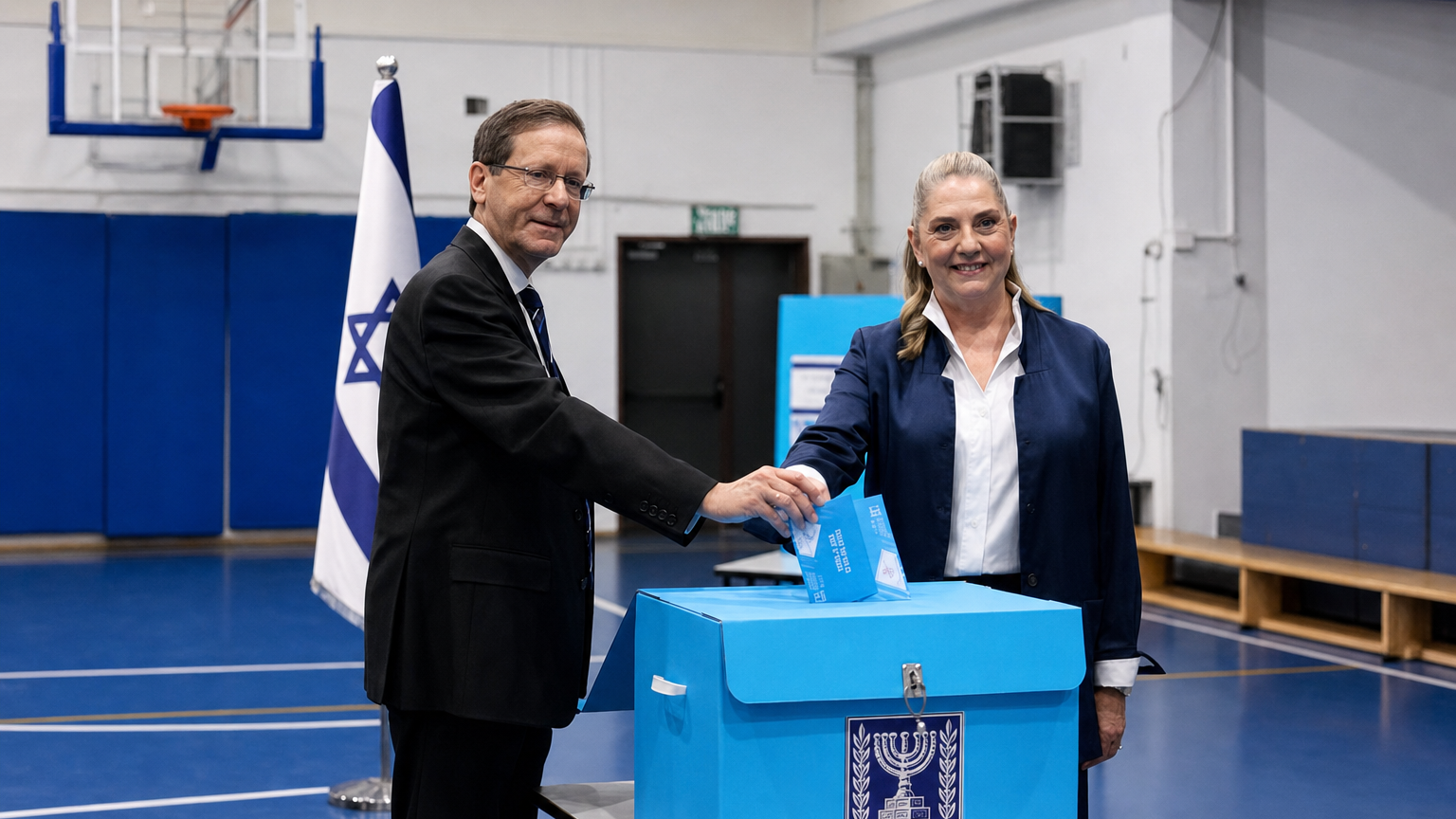
Multiple Israeli broadcasters projected on October 28 that neither major bloc would secure the 61 seats required to govern the 120-seat Knesset, with Netanyahu’s right-wing and religious allies forecast at around 50 seats and Eisenkot’s opposition group at 52 to 53. The predominantly Arab parties were expected to win 17 or 18 mandates, nearly doubling their representation from the 10 seats secured in the 2022 vote, according to exit polls reported by The Times of Israel and Bloomberg. This outcome sets up what could be protracted negotiations in a political system where small parties often prove decisive, as both sides fell short of an outright victory in voting that drew more than 77 percent turnout.
Channel 12’s survey gave the opposition 52 seats against 50 for Netanyahu’s camp with Arab lists claiming 18, while Channel 13 projected 53 for the change bloc, 50 for the coalition and 17 for the Arab parties, The Straits Times detailed. Some polls, including from Channel 14, showed Netanyahu’s side reaching 60 seats but still one shy of a majority, leaving the balance of power unresolved in initial counts that favored right-leaning areas. These figures align with pre-election surveys that had consistently indicated a tight race, though final official results may adjust the projections by a few mandates.
Ra’am chief Mansour Abbas said both political camps had reached out following the strong Arab turnout, telling Channel 12 “Everyone is speaking with us, not just from the ‘change bloc’.” The Arab parties’ surge reflects increased voter mobilization amid concerns over crime and representation in Arab communities, a factor that exceeded many forecasts and elevated their lists to a pivotal role. Abbas indicated openness to backing an Eisenkot government if conditions were met, though he stressed the need to assess practical arrangements, Republic World reported.
Eisenkot’s Yashar party led or closely trailed Likud in individual projections, securing 21 to 23 seats compared with 24 or 25 for Netanyahu’s list across the main exit polls. The former army chief has signaled willingness to engage Arab parties under specific terms but has stopped short of committing to a full coalition, citing value differences, while Netanyahu has ruled out any such partnership. Analysts suggest a minority government supported externally by Arab lawmakers could emerge as one path forward if broader alliances fail, Ynetnews noted.
Pre-election polling from Kan 11, Channel 12 and Channel 13 in the days before the October 27 vote had similarly shown the opposition with 52 to 56 seats against 50 for Netanyahu’s bloc and 14 to 16 for Arab parties. Those surveys highlighted Yashar as the largest or second-largest faction, ahead of Likud, with Naftali Bennett’s B’Yachad party in third place at around 14 or 15 mandates. The consistency across outlets underscored expectations of a fragmented parliament even before ballots were cast.
The vote marks the first general election since 2022, a period marked by repeated conflicts and government instability that influenced voter priorities. Arab participation rose notably, with turnout in those communities matching the national average in some assessments, contributing to the lists’ stronger showing. As counting continues, the absence of a clear majority points toward coalition-building efforts that could extend for weeks or result in yet another election if talks collapse.