ع



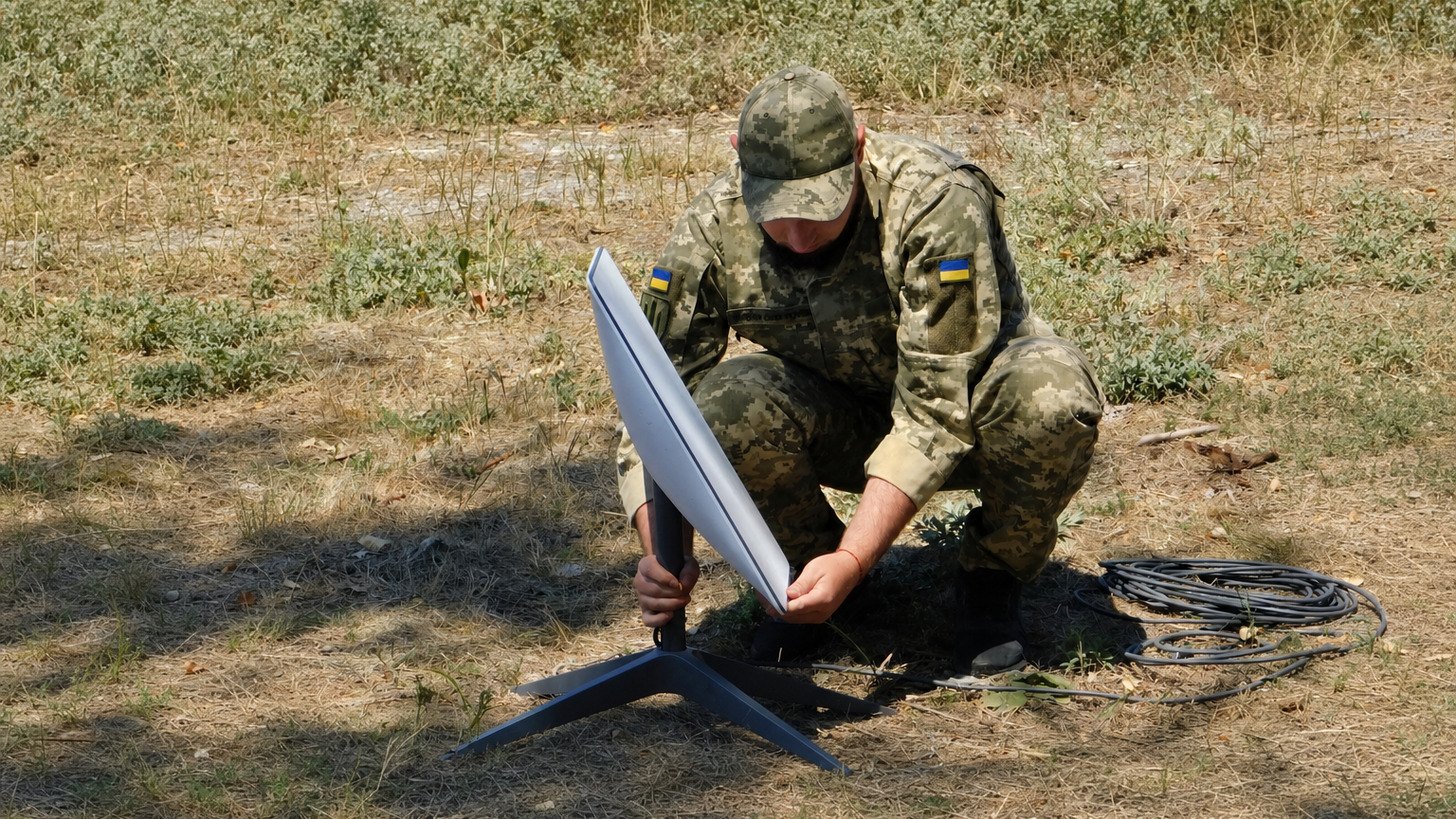
Ukraine’s Defence Ministry reported on October 24 that monitoring systems had recorded the restoration of Starlink and its military-grade Starshield service to speeds over 400 kilometers per hour with stable connectivity after more than a week of throttling. Defence Minister Yevhenii Khmara told reporters that the recovery followed overnight testing and represented an important outcome for frontline units engaged in drone operations logistics and communications. “The Defence Ministry’s monitoring systems are seeing the recovery of Starlink/Starshield speed; the connections are stable” Khmara said according to a Bloomberg report that same day. The minister added that the change demonstrated results from direct dialogue and a firm presidential stance at the highest levels.
Restrictions on the systems had been in place since mid-October when speeds were capped at around 160 kph disrupting the military’s ability to intercept Russian attack drones and leading to canceled missions a Reuters dispatch from October 24 detailed. Ukrainian officials had initially indicated on October 23 that limits remained despite US President Donald Trump stating that SpaceX chief Elon Musk had lifted them according to multiple accounts from Reuters Bloomberg and the Associated Press. Presidential adviser Serhiy Beskrestnov had posted on Telegram that isolated instances of higher speeds appeared tied to SpaceX algorithms rather than any formal removal of curbs the reports noted.
The throttling coincided with heightened tensions between Kyiv and Washington after Trump announced a deal to purchase Russian diesel and pressed Ukraine to halt strikes on Russian oil refineries Reuters reporting showed. Those measures came amid broader strains in relations that had deteriorated since an Oval Office meeting earlier in 2025 between Trump and Ukrainian President Volodymyr Zelenskyy. Ukrainian forces had received no prior warning about the speed changes which caught troops off guard and impaired both strike and air defense drone activities according to defence sources cited across the coverage.
Starlink and Starshield have formed a central element of Ukrainian battlefield communications and drone guidance since the early stages of Russia’s full-scale invasion in 2022 with the military-grade version designed to resist radio jamming a series of Reuters assessments found. The systems enable operations deep into occupied territory where traditional infrastructure is unavailable or compromised. Officials have described the technology as irreplaceable in the near term with no immediate European alternative capable of matching its performance and coverage according to statements compiled in the Reuters coverage.
Earlier on October 23 Zelenskyy had confirmed in remarks to the Hudson Institute that speed limits on both Starlink and Starshield persisted while deliveries of agreed missile interceptors also remained delayed a Meduza summary of his address indicated. Trump responded by saying he would look into the matter and straighten out any remaining problems if necessary without confirming direct contact with Musk Reuters reported from White House remarks. The resolution announced on October 24 appears to have eased immediate operational concerns though the Defence Ministry stopped short of declaring full restoration to undisclosed maximum speeds.
The episode has underscored Ukraine’s reliance on US-controlled satellite services for both military and civilian needs at a time when European partners have acknowledged limited capacity to substitute for them in the short term according to an October 14 Reuters analysis that predated the latest developments. Ukrainian defence technology experts have called for diversified solutions to avoid single points of failure in critical systems. Monitoring continues as forces assess the impact on ongoing operations against Russian drone barrages and other threats.