ع
ع


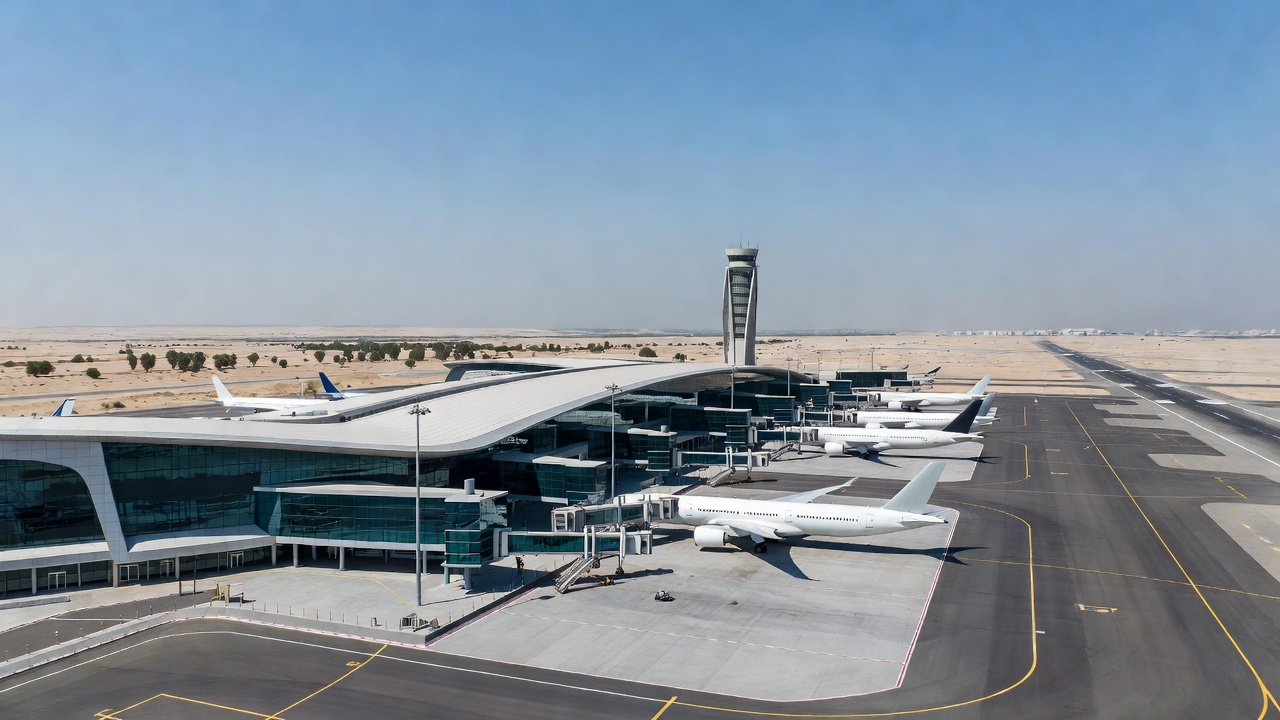
The ballistic missile strike on October 10 hit passenger terminals at King Khalid International Airport, killing 13 people and wounding 308 others, Saudi authorities reported. A second projectile struck terminal 4 the following day, causing a fire that killed one person and injured 11 more, according to the General Authority of Civil Aviation. Victims included Saudi citizens as well as nationals from Bangladesh, the United States, Egypt, Jordan, Syria, Sudan, Palestine and India, the authority’s figures show. The Saudi-led coalition described the initial assault as a full-fledged war crime targeting civilians and airport staff.
Coalition spokesman Maj. Gen. Turki Al-Maliki called the October 10 attack a terrorist act that would be met with a firm response in accordance with international humanitarian law, the Saudi Press Agency reported. Energy Minister Prince Abdulaziz bin Salman told a conference in Riyadh on October 12 that the circumstances had tested the kingdom’s infrastructure, institutions, people and resilience. “The events of recent weeks are serious, our response must be equally serious,” Prince Abdulaziz bin Salman said, adding that energy security cannot be taken for granted.
Houthi military spokesman Yahya Saree claimed responsibility for the strikes in a televised address and renewed warnings to airlines, staff and travellers to avoid Saudi airports and airspace, which he termed a theatre of operations for Houthi forces. Saree exempted facilities in the holy cities of Mecca and Medina from targeting while insisting Saudi Arabia bore responsibility for any failed interceptions. The group framed the operations as reciprocity for Saudi-led airstrikes on Yemen, a Houthi statement distributed via its media outlets indicated.
A timeline compiled by The National placed the start of the latest wave of Houthi airport attacks on October 6, with strikes also hitting Abha, Jazan, Najran and Dammam and producing a cumulative toll of at least 20 dead and more than 370 injured. Riyadh airport was struck four times in five days, forcing suspension of operations and triggering cancellations or diversions tracked by Flightradar24. Saudi air defences intercepted multiple missiles and drones aimed at other sites during the period, coalition briefings stated.
The assaults constitute the deadliest on Saudi territory in more than a decade despite billions spent on military capabilities, India Today reported. They coincide with an intensified Saudi offensive providing air support to Yemeni government forces against the Iran-backed Houthis, who have escalated cross-border actions, a Reuters assessment found. Prince Abdulaziz bin Salman’s remarks underscored that decisions on resilience must precede crises, according to the conference transcript.
United Nations Special Envoy for Yemen Hans Grundberg strongly condemned the attacks on civilian infrastructure, including the Riyadh airport strike that killed 12 people and injured over 300 according to Saudi figures, in an October 11 statement from Amman. Israeli Prime Minister Benjamin Netanyahu condemned the strike in the strongest terms and extended condolences to victims’ families on behalf of Israelis, his office said. Travel warnings were issued by several countries in response to the developments, CNN reported.
The incidents threaten regional air travel and energy markets at a time when Saudi Arabia remains the world’s largest oil exporter, according to industry overviews from multiple outlets. Coalition forces continue to target Houthi launch sites while damage assessments proceed at affected airports, official statements indicated. No further specifics on the nature of the promised response have been publicly detailed.