ع
ع


The Houthi movement began in the late 1990s as a religious revival effort among the Zaydi Shi’ite community in northern Yemen’s marginalised highlands, according to a Reuters historical assessment. It engaged in six successive wars against the national government in the 2000s while building a local militia structure rooted in tribal networks. The 2011 Arab Spring uprisings created an opening for further expansion, after which the group cultivated ties with Iran and Hezbollah that enhanced its organisational capacity.
By 2014 the Houthis had seized Sanaa and disrupted a Gulf-backed political transition, prompting Saudi Arabia to launch a military intervention the following year that drew in a broad coalition, Reuters reported. A fragile 2022 ceasefire followed years of stalemated conflict but left the group entrenched in the northwest, including strategic Red Sea coastline. Abdul Malik al-Houthi, who has led the movement for two decades, oversaw its evolution into a force equipped with ballistic missiles and drones capable of striking targets more than 1,800 kilometres away.
United Nations panel of experts assessments place Houthi fighter numbers at approximately 350,000, achieved partly through recruitment of those under 18 and sustained by ideological messaging that frames the group as defenders against foreign interference. Training provided by Iran and Hezbollah since the early 2010s transformed the militia into a more structured military organisation capable of hybrid tactics that combine infiltration, drone strikes and extensive minefields, according to Baraa Shiban, an associate fellow at the Royal United Services Institute. The group has developed domestic production lines for lower-end missiles and drones while relying on smuggled components for more advanced systems.
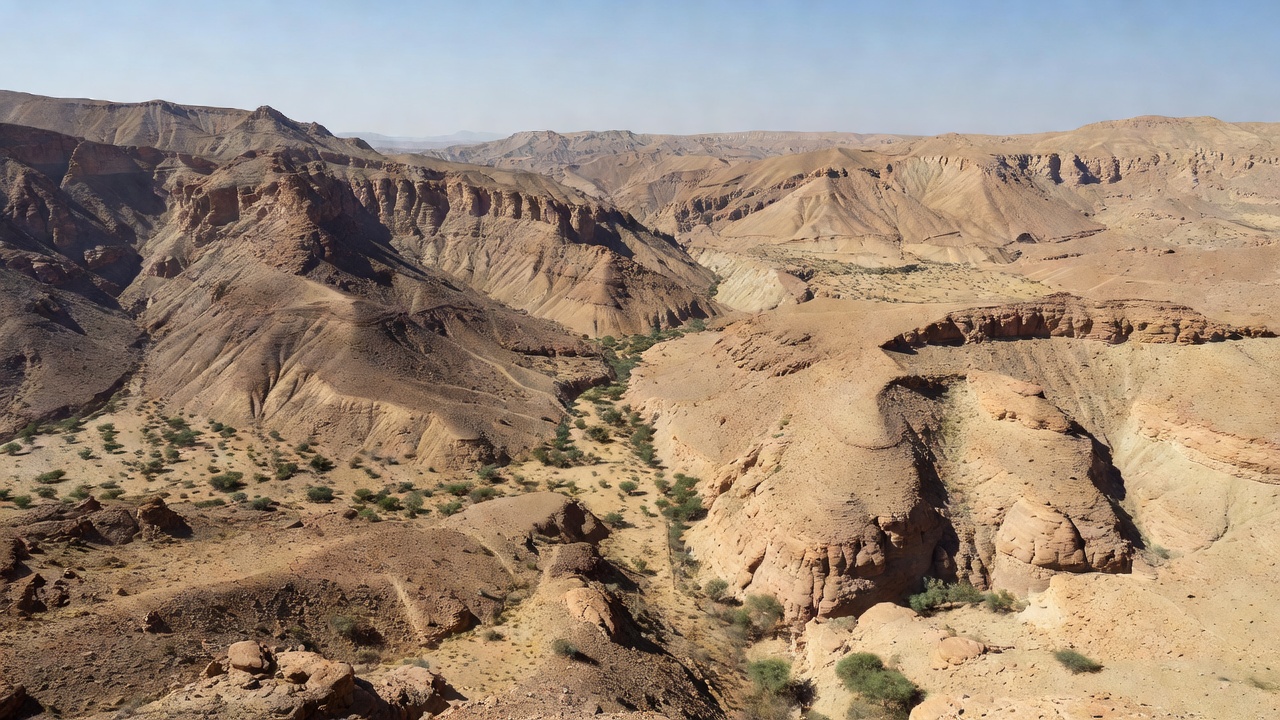
Yemen’s northern mountainous landscape provides natural defensive advantages that allow Houthi units to disperse, camouflage assets and maintain short supply lines, analysts cited by Al Jazeera noted in coverage of recent operations. This terrain, paired with a decentralised network of tribal, clerical and security nodes, creates redundancy that has enabled the group to absorb repeated airstrikes from Saudi, US and Israeli forces without collapsing. Andreas Krieg of King’s College London described the structure as a series of overlapping networks that have proven resilient even after heavy bombardment campaigns in 2024 and 2025.
Recent escalations in September and October 2026 have seen Houthi missiles target sites inside Saudi Arabia, including near King Khalid International Airport in Riyadh, demonstrating improved accuracy and range that Al Jazeera attributed to adaptations of Iranian designs such as the Toufan and Palestine-2 systems. The New York Times reported that the Houthis seek expanded political concessions from Saudi Arabia, including reparations and an end to support for the internationally recognised government, while using control of areas near the Bab al-Mandeb Strait to exert leverage over global shipping. Despite US strikes ordered during the second Trump administration, the group has maintained its ability to launch attacks in solidarity with Palestinian factions and in response to regional developments.
Anti-Houthi forces aligned with the Presidential Leadership Council suffer from fragmented command structures and competing regional loyalties that have limited their effectiveness in sustained offensives, an Al Jazeera analysis of ground operations found. In contrast the Houthis operate under centralised direction that facilitates rapid adaptation and counterattacks from highland bases. The combination of these internal divisions among opponents and the Houthis’ own adaptive tactics has prolonged the conflict and preserved the group’s de facto authority over much of northern Yemen.